

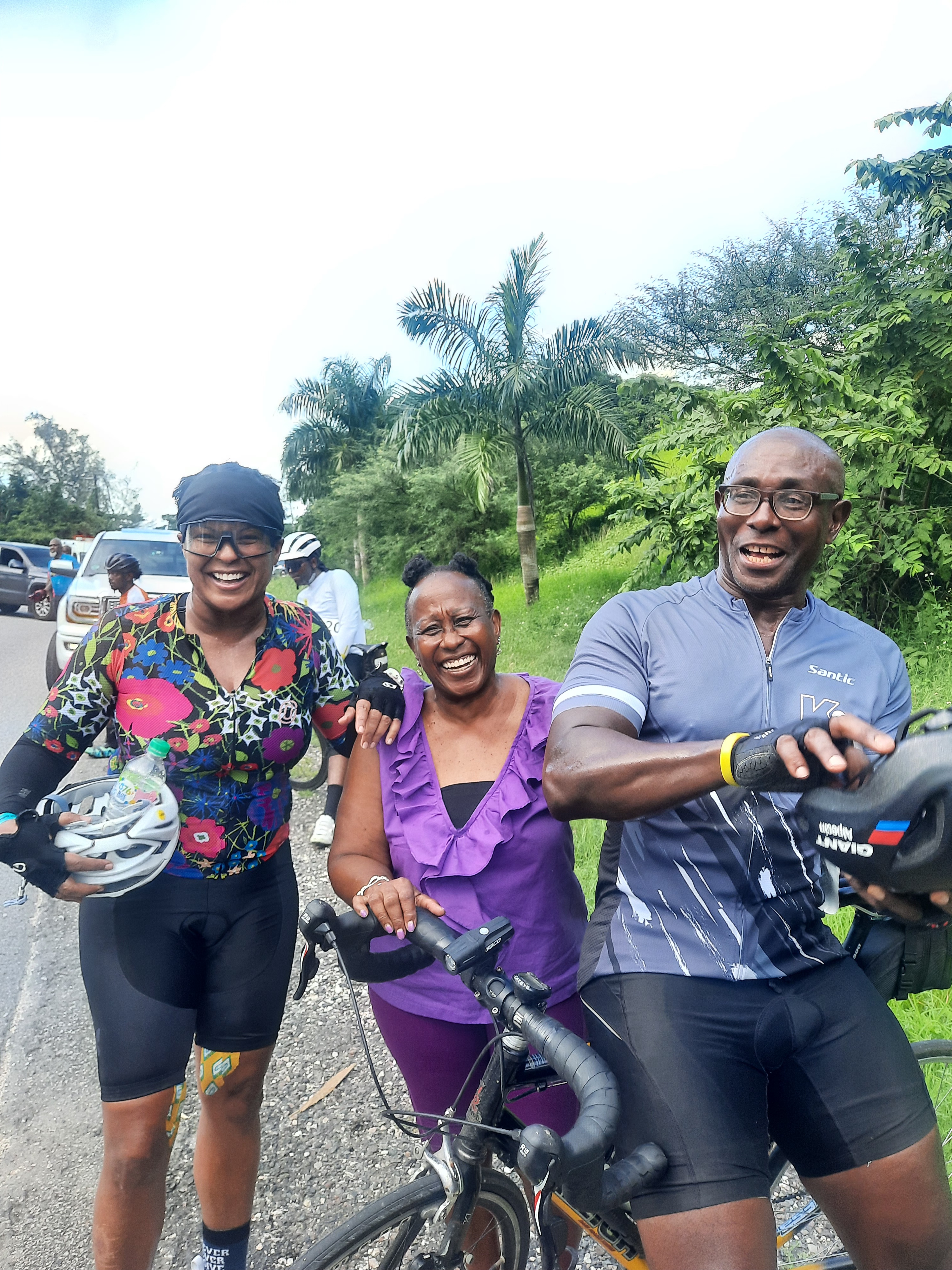
On Saturday, October 19, 204, our National Heroes Week celebration, I had the distinct pleasure to participate, vicariously, in the amazing cycling race from Kingston to Negril. I joined Anya, who drives the support car for her husband, Kevin Nelson.
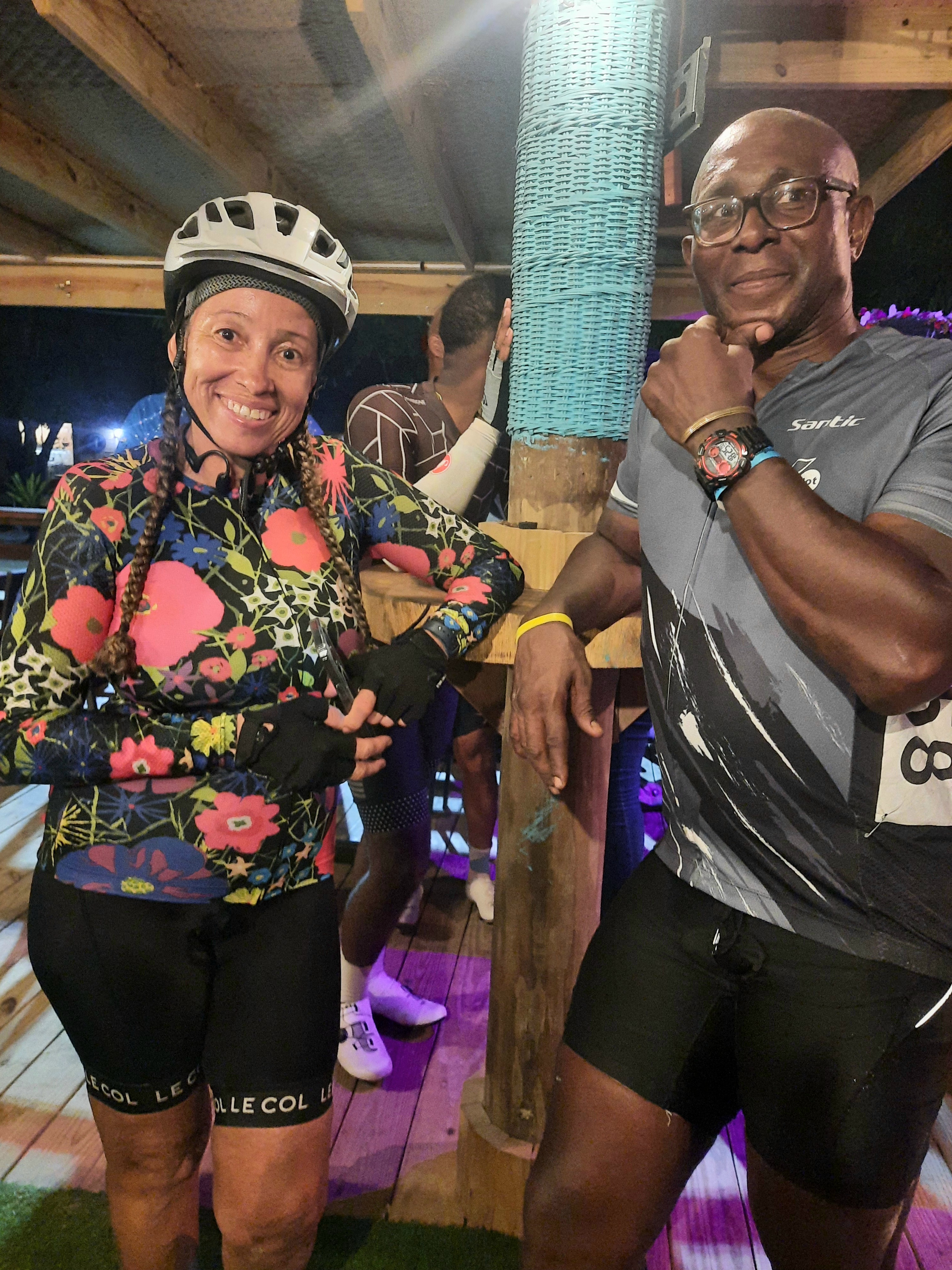
I was inspired and awed by the over 113 participants, mostly men, but there were ten women ranging in age 30 to 65. Organized by Coach Carlton Simmonds who has initiated this race for the last three years.
Well organized with a team of supporters, including police escorts, an ambulance, a bus to transport any cyclist and bicycle, who gets tired, a food/water truck and several other supporter cars.
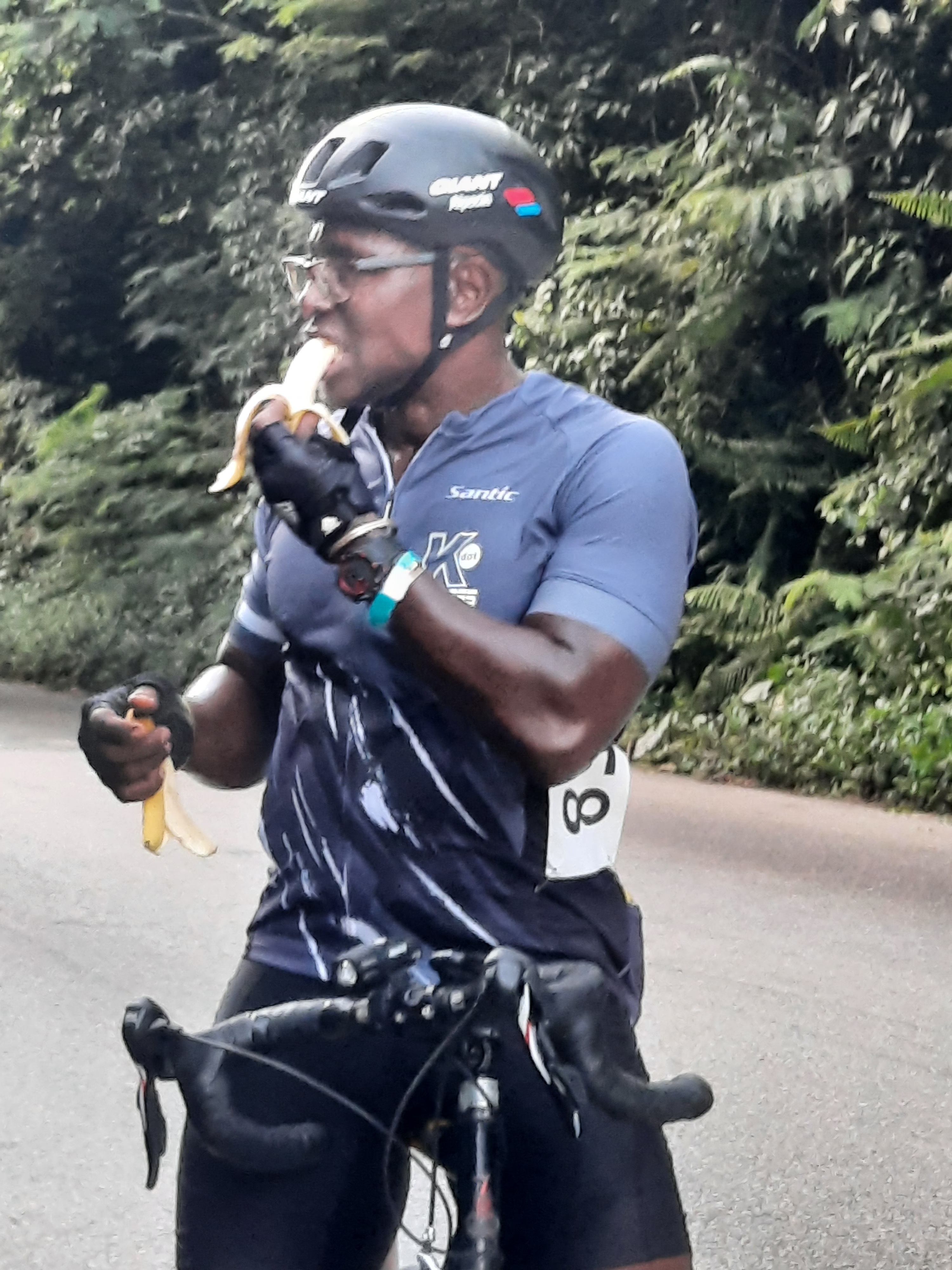
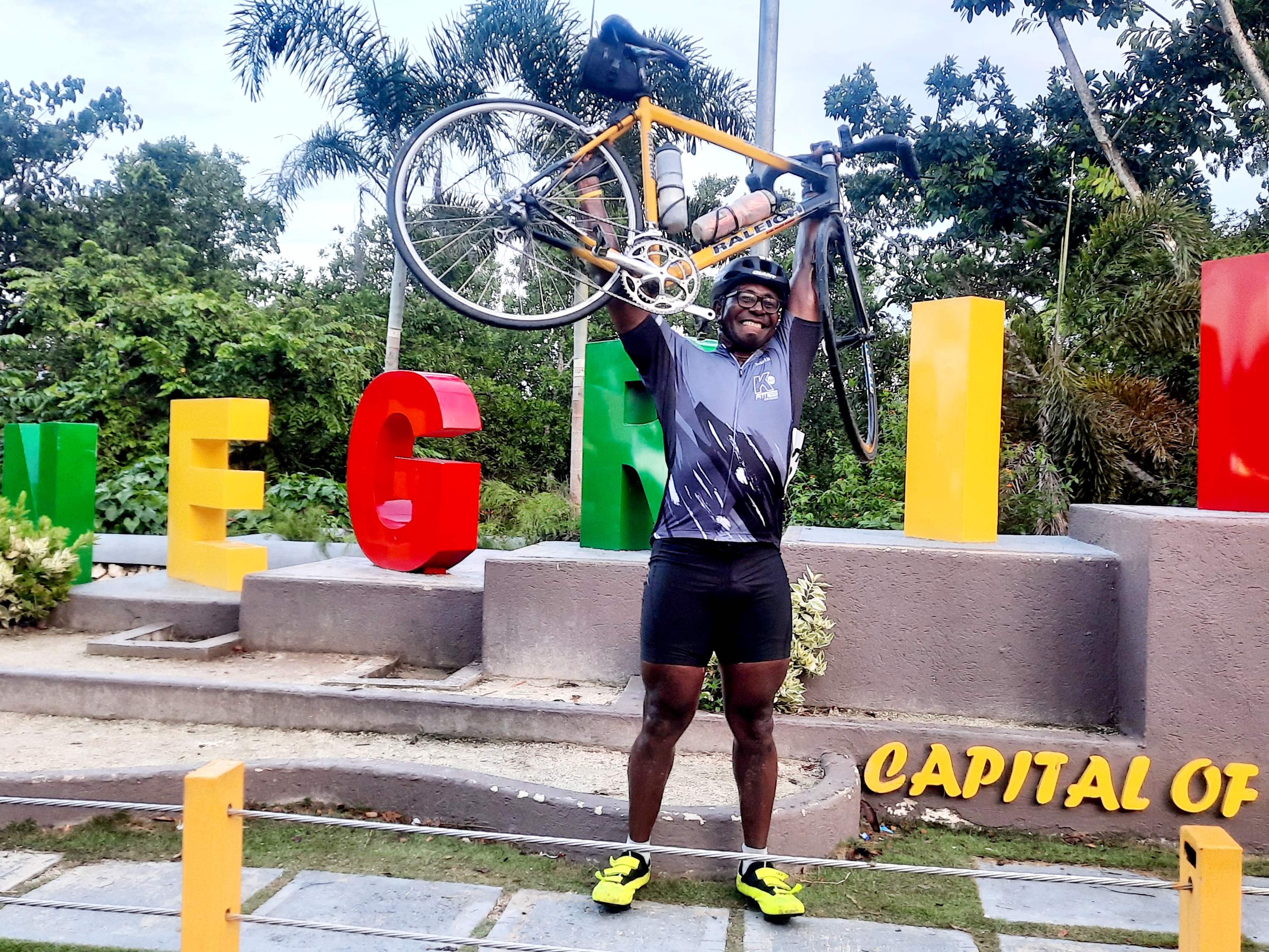
The race began at 4:30 am at 6 Miles in Kingston and the cyclists arrived in Negril at approximately 6:15 pm with a 45-minute lunch break just outside of Montego Bay and four short 15-minute break stops in Moneague, Duncans, Mobay, and Lucea respectively.
Kevin Nelson, a friend, is an avid cyclist, who rides, at least five days a week from Gordon Town to Mona. A gym enthusiast, He has been participating in this race for many years so it seemed appropriate that I interview him about his involvement.
‘I actually started cycling again in 2013 after stopping in my teen years due to academic issues. I was very much inspired by my very senior neighbour Mr. Eaton Gabbidon who was an early pioneer of the Negril expedition. I have done annual road races in the corporate area as well at shorter distances as a member of the Jamaica Cycling Federation.
‘Since 2013 I have done this expedition 10 times. I keep doing it, not only for amusement but it’s how I am able see how much I can physically and mentally endure each year.”
Stamina and endurance are key elements to completing the ride, which is not only strenuous but hazardous as well, many potholes, steep hills, curves and bends and the sun, yes the fierce sun as they approach Duncans area; they also encountered slight rain. While physical prowess is vital, mental and psychological well-being are other key elements. However, one also have to prepare physically. Nelson has this cover and he outlines his practice.
“Generally, as a fitness trainer myself, I maintain a good level of self-care and conditioning that has become my normal lifestyle. It involves daily strength training at dawn and cardio work in the evenings. I do Yoga for meditative breath work and stretching sequences in the early mornings. I’m also a ranked table tennis player so I am close to the sport. I cycle to and from the gym every day covering over 100 miles per week inclusive of the long weekend rides to Port Royal or Bull Bay. Nutrition is a key and I refrain from consuming overly processed foods.”
Indeed self-care is mandatory, and part of this is accomplished by Nelson’s
monthly recovery program that involves chiropractic and massage treatments. But what is the emotional cost, of having the right mental framework to manage the race.
Nelson admits that “Emotions vary throughout the arduous 158 miles, but I ground in spirit and sharing in the energy of the event. 113 international cyclists (10 women) participated in the 2024 event and although not all finished, the enthusiasm was high. The Kingston to Negril event builds my spirit every year; the most difficult parts of the ride between Drax Hall to MoBay take a toll on you physically and mentally if don’t regulate your fluid intake and nutrition on the four breaks. It’s positively different emotionally for me now. In 2013, I felt like abandoning the ride at Runaway Bay!”
And some cyclists did succumb, to severe cramping, shortness of breath, overall fatigue and the unsympathetic weather. But the majority pushed on, because as Azikiwe states, “my thoughts on completion very much evoked the emotion of joy that I have passed my own test. The moment I see the Negril sign, I started to see myself on the beach.”
The seawater is a balm and helps cyclists cool down and relieve some of the tension and cramping that such an excursion produces.
It should be noted that while the cyclist is doing the hard pedalling, their success is also dependent on their support team. Nelson admits, “Generally, I need a co-pilot in a support vehicle, and my wife fills that post. A co-pilot also helps to manage the hydration and nutrition packs as I am in motion.
What the Future Holds
Kevin Nelson “encourage others to join this ride to build confidence and character. I am requesting more women, especially to join this cycling event.


“I think it would be a great asset to the spirit of cycling to create a national effort towards its promotion via even “Jamaica Moves” or any health initiative. Just as with football or athletics, start school programmes, and designate cycle lanes on certain roads (Palisadoes to Port Royal has room for such a facility). Bicycles can be easily sought via Chinese or European missions.
Equally important is the promotion, and Nelson laments that “this event does not get the local or international recognition it deserves. I think us cyclists should take most of the blame as there exist many more options now to get and maintain a PR mechanism.”
Concluding, Nelson says, “I wish to see cycling facilitated as another sport to add to Jamaica’s, medal tally at the Olympics; so far we have had only 2 persons at such a level.”
It should be noted that there are several other Kingston to Negril cycling events that happen around the same Heroes weekend. Some do South Coast and others North Coast. I recommend that these organizers come together and schedule these races at different times throughout the year.
This year, Kevin Nelson rode with Coach Simmonds who organized this race. I spoke with the coach briefly about his organization and the early beginnings of the race, which he states was “started by six doctors at The University of the West Indies, Mona, who did a ride on the weekend, then decided to include others.
Simmonds branched out and began the Kingston to Negril ride three years ago under the auspices of Simmonds High-Velocity Cycling Club. The function of which he says, “is to coach, manage, and encourage youngsters to cycle with the end result, participation in the Olympics. The goals are to put on competitive cycling events, encourage international cycling events, and in general, engage the average cyclist to participate in recreation fitness rides.”
This is a worthy cause with important goals that I endorse. When I was younger I used to cycle but after two accidents and a knee replacement, I do not cycle anymore. Nonetheless, it is a great sport, and I remember the feel of the breeze on my back, the tension in the muscles of my calves and the adrenalin rush as I break, the bicycle moving on its own velocity down the hill.
 Opal Palmer Adisa