
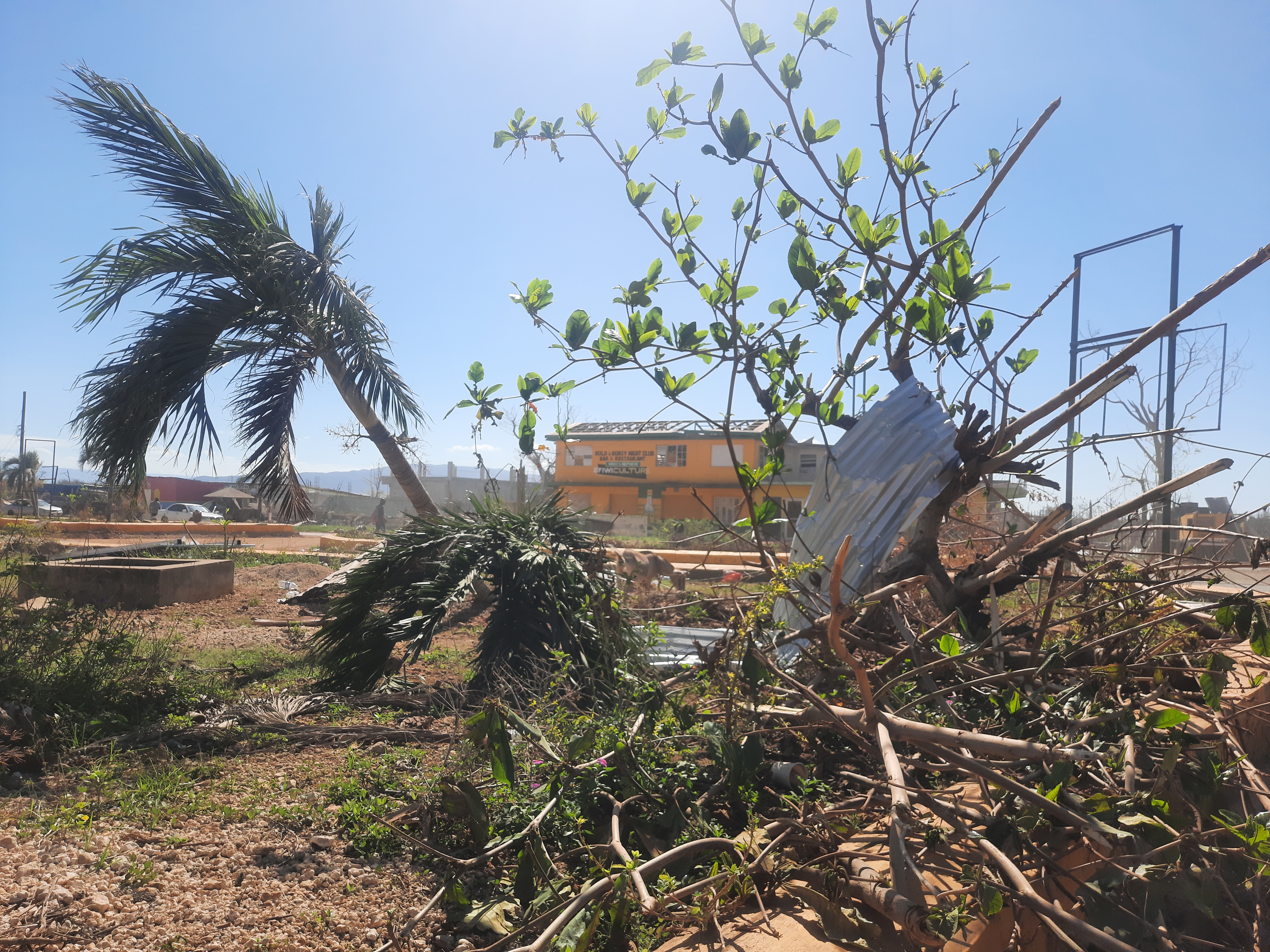
Hurricane Melissa hasn’t only affected adults; it’s shaken the lives of our children too, and we must attend to their needs. They’ve been traumatized, are traumatized and we have to help them recover by providing them with the necessary outlets. They need books and pencils, crayons and markers, games to play, clothes to wear: t-shirts, shorts, pants, underwear. However, we cannot stop at meeting physical needs. Many parents, busy rebuilding homes and lives, are stretched thin so some children might be left to fend for themselves. Unfortunately, in every crisis, predators emerge. We must put safeguards in place so our children aren’t further traumatized by sexual, emotional, or other forms of abuse by persons posing as goodwill, offering snacks and other treats.
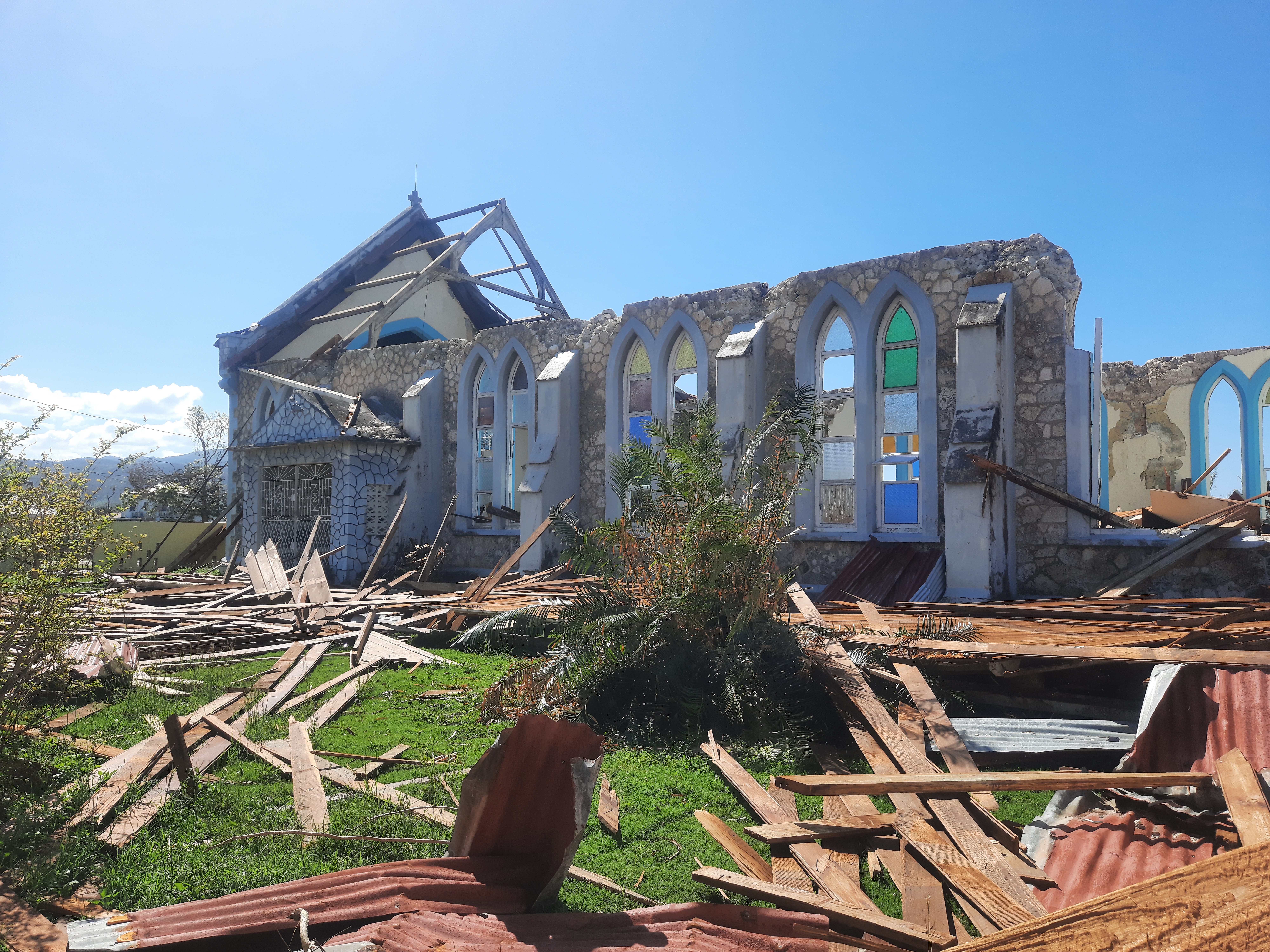
It is important that we look carefully at the specific needs of children and ask, what can we do right now? I know that Child Protective Services and the Ministry of Education are thinking about this, and implementing plans in formal ways for children whose schools have been damaged, but I also want us as communities, as individuals to take action. Think about the children in Anchovy and other areas still without electricity, running water, or connectivity. They can’t attend online classes, and many have lost access to school entirely. They need real support; proper food and means and ways to continue their education. Removing them from family might be an option, but can also be emotional distraught at this time.
As an educator, a writer, and a cultural activist, I’ve seen and know what happens when families are pushed to their limits, and my heart breaks for the children. During COVID, so many parents were overwhelmed, frustrated, anxious, angry and some took that stress out on their children. It wasn’t because they didn’t love them, but because they were stretched beyond measure. We cannot let that happen again. Parents breathe and rather than shout, hit and threaten, continue to breathe and speak loving words.
Our children have already endured trauma. They need safe spaces to express what they feel, and guidance to process what they’ve lived through. They need counselors, teachers, and community support. And let’s not forget those in children’s homes who have been displaced; they are especially vulnerable and need urgent attention.
Sometimes in the midst of the crisis children are overlooked like Louise Bennett’s reminds us in her poem, “Earthquake Night.” In the second and third stanzas, she recounts how in this catastrophe the child was forgotten:
Me hear seh Verna baby,
Tree year ole December gawn,
What never cut a teet nor walk
Nor talk good from it bawn,
When everybody run from shock
An left it one fi dead,
De pickney holler `Po me gal!’
An run under de bed!
Parents and other people in these severe impacted communities also need communication tools: phone cards, charging stations so they can stay connected to family, teachers, and the outside world. Communication is not a luxury. In a crisis, it’s a lifeline.
We also need to give people cash. Yes, we hand out food bags, and that’s important but those bags don’t cover everything. When you give someone a food package, ask how many children they have, and add a little cash. Even a modest amount of $1,000 or $2,000 can help families buy fruits, vegetables, or other essentials everyday things that aren’t in food packages: oil, salt, soap, and other basics. Transportation cost to travel if someone is sick.
Let’s be honest: sometimes what’s packed for them isn’t what they eat. Even in crisis, people deserve the dignity of choice. The Jamaican rural diet is built on yam, cassava, chocho, pumpkin, green banana, callaloo, carrots and cabbage; that’s what sustains people. And our children need fruits: bananas, pineapples, papayas, watermelon. Aid shouldn’t just fill bellies; it should nourish bodies and spirits.
We have to stop assuming that one standard “disaster bag” fits all. What does a relief package look like for a Jamaican family with three children, ages three, five, and sixteen? We need to diversify what we give, and most of all, ask people what they need. Listening is an act of respect and generosity.
The government, through the Ministries of Education, Health, and Social Services, must send nurses, counselors, and social workers into isolated communities. We need patrols and outreach teams checking on families and ensuring children are safe and supported.
At the center of all this must be our children. Their healing, their safety, their sense of stability. If we fail them now, the effects will last far beyond this hurricane. But if we act wisely and compassionately, if we truly listen and respond , we can help them not just survive, but recover and grow stronger.
Yes, children are resilient, but they too have been terrified by Hurricane Melissa, and their responses will vary. So it is our job to provide them with comfort, but also the space to express their fears. And this isn’t just the government’s job. It’s on all of us, the entire community, leaders, teachers, churches, neighbours, and citizens to look out for the children around us. To notice when something’s off. To ask questions. To make sure no child is left behind in this recovery.
Let’s keep our focus clear as we continue this relief effort and protect the children, support the families, and restore their dignity. Let’s rebuild with love, awareness, and with purpose.

 Opal Palmer Adisa