Tag Archives: love

Too Much Is My Name: Not Unfocused

So I’ve been trying to navigate that delicate path of sharing what I want and aspire to with the people I love. I remember being three years old and always being told, you want too much, you’re doing too much, you’re this, you’re that. So who I am was always too much for the people I loved, and still is. It’s never, Oh my gosh, you have all these brilliant ideas and projects. I want to help you with them, or connect you with people who can help you. Instead, it’s always, Why are you doing this? Why are you doing that? Why don’t you focus? As if the ideas and projects I carry mean I am somehow unfocused or scattered.

Most people, can only do one thing or choose to only do one thing. My brain has never worked that way.  It is busy. I realize that I’m not seeking affirmation, because I am who I am, and I’m going to do what I do. But it is really painful to feel that when you share your dreams and ideas with the people you love, rather than seeing them through your eyes, they dissect them and decide they are too much, that they mean you are not focused.

And I find myself asking: how do we get over this hump of living our lives fully? I think I’ve done that, in many ways. But how do you live fully without tripping over what the people you love say and do, without being wounded by their doubts, without shrinking yourself to fit their comfort? How do you become free and wild enough to be your full self? Does that happen? And how does one achieve that if you are deeply connected to people, if you deeply love those people and deeply want them to remain in your life? And are often deeply hurt by their responses to who you are.
How does one achieve that sense of complete autonomy and still remain tender? How do you not be hurt or stymied by other people’s evaluations of how you are living your life and the things you want to achieve?

Because if you say you want to achieve something and you haven’t yet, they say, Do you see? You said that five years ago. And yes, I did say that five years ago. I did hope it would happen five years ago. But the fact that it hasn’t happened doesn’t mean it won’t happen. It doesn’t mean I should abandon it simply because time has passed. I still want it. And maybe that is naïve, but I still think it is possible.

I am all of my hopes and aspirations. I want to be seen and accepted as such, nothingness, nothing more. Just that who I am, and the things I value, are not discounted and diminished and dissected, but seen for what they are. I want people not to accuse me of lacking focus or trying to do too much, but instead to help me do all the things that I can do, or to guide me in how I might do them, even if they feel it is too much.

And I think, at this stage in my life, it shouldn’t matter what people think about me or my projects, whether it’s my children, my family, or the people I admire. I wish I could get to that stage where it didn’t matter, where it wasn’t so hurtful, so painful. But as human beings, we are connected to other human beings. We want their love and their approval. And if we love them deeply, as I do, then we want them to celebrate us, not through their eyes, but through ours.

I don’t want to seem as if all the things I want to do are too much. Yes, I need support. And yes, maybe I should say, this year all I’m doing is one book, not three, and nothing else. But my brain, my mind, doesn’t work like that. I’ve never wanted to be like anyone else. I say that with a certain level of aplomb. I’ve always just wanted to be me, and I’ve always wanted to be accepted as me.

But I haven’t found that in many places. And I want to publicly acknowledge that.
I WILL NOT DESPAIR

In order to keep despair from taking over my life, sometime toward the middle of last year, I made a conscious decision to stop watching the news. I figured that whatever I truly needed to know, I would know. Every time I watched or listened, I was overwhelmed by sadness, by grief, by a deep sense of hopelessness. I realized that if I wanted to keep living, if I wanted even a small measure of optimism, I had to be present to where I was, to my immediate life.

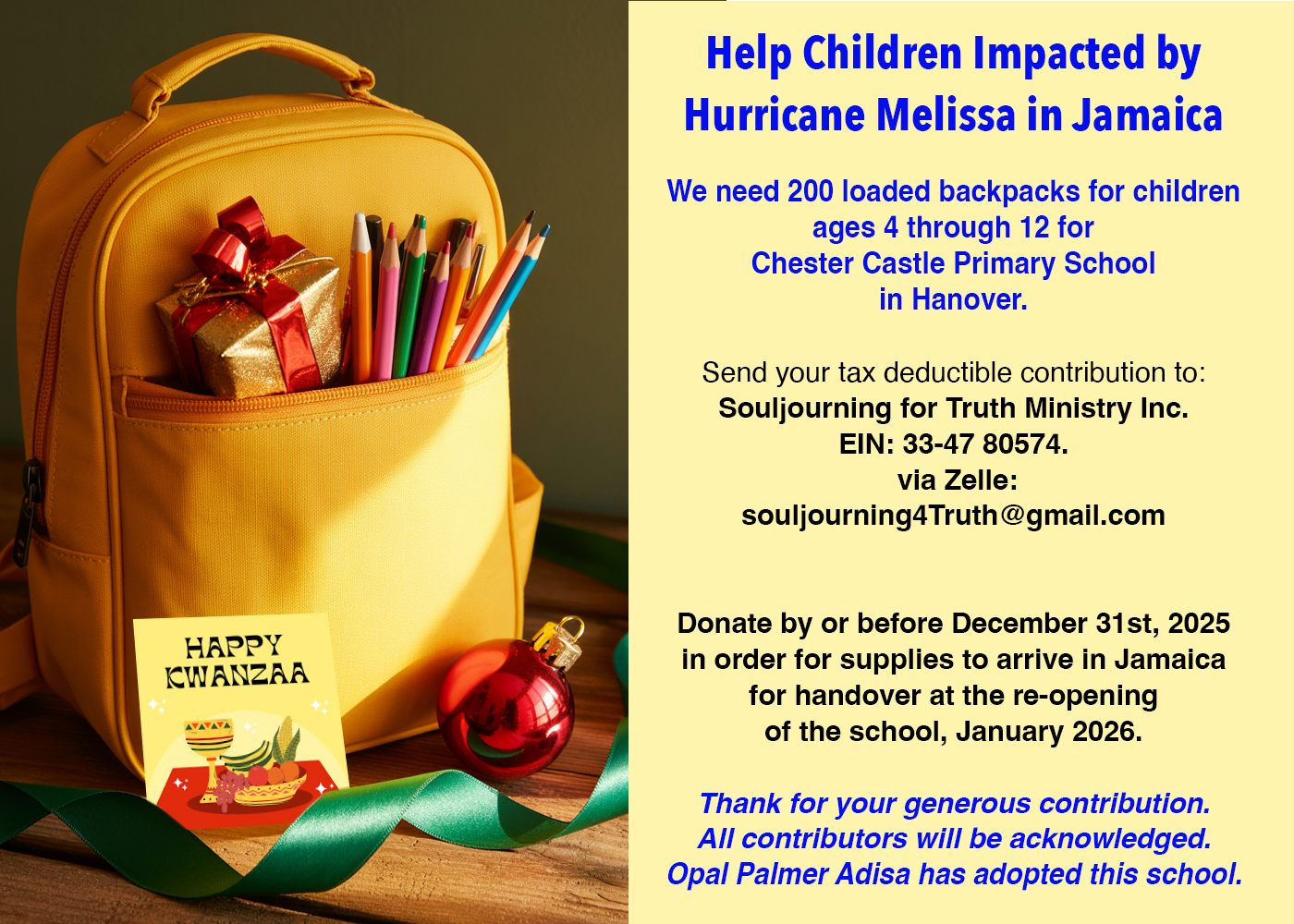
I understand, too, that I am privileged. I have a nice home. I have a yard. I am surrounded by nature. I do not take that lightly. And I know there are entertainers and athletes with money who are giving, who have projects, who are helping. But as I try to do my own work, preserving Louise Bennett’s legacy, adopting a Chester Castle Primary devastated by Hurricane Melissa, October 2025, seeking funds to get a children’s magazine for the Caribbean off the ground, and I keep hitting the same wall of insufficient financial support, I find myself asking: What is it that I am not doing? What am I not seeing? How do I make this happen?

Because there is not an absence of wealth or resources. There is an abundance. It may not be equally distributed, but it exists. I am a writer. I am an activist. All of my projects are about giving voice, about providing resources to people who do not have them. I truly did not think it would be this hard to secure 200 loaded backpacks for children of whom 75 percent have lost their homes to the hurricane. A loaded backpack costs about US$100, roughly JM$11,000. Why should getting 200 be so difficult?

Why is it so difficult to secure funding to honor Louise Bennett and Jamaican culture? I am trying to understand how to navigate this space, how to connect with the right people, how to know that I am doing as much as I can, helping as many people as I can. Maybe there is something falsely heroic, in that thinking. I don’t know. What I do know is that I genuinely want to help. But I do not have the resources.

Even my own Adisa Ancestry Artists Residency, which I launched in 2005—I am grateful that I stopped waiting for permission or help and simply did it. But I think about its future. I think about continuity. How do I maximize what I have? And how do I find the benefactors, the philanthropists, who can help ensure that it continues?

This is not despair. This is me searching for the light at the end of the tunnel, trying to continue the work I believe I am here to do, and asking plainly for the support I need.

So this is a plea. A plea to all the people who are my friends, all the people I know. If you can afford $20, or $50, or $100, or $500, or $5,000, or $5 million, send it. I will do exactly what I have outlined. You will be acknowledged. You will see the results of what your money made possible.

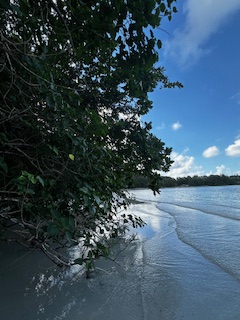
I still am not going to listen to the news in 2026. I am deeply saddened by the state of the world, saddened that on my own island beaches are locked off. I recently paid JM$2,000 to go to a beach –something I believe is criminal. What that means is that the vast majority of Jamaicans cannot afford access to what should belong to all of us. Some of us can afford it. Many cannot. And while not everyone will be rich or have the same resources, there are basic things everyone should have access to.

Everyone should have access to nature and parks. In the Caribbean, everyone should have access to all the beaches that should be maintained, with clean restroom facilities and changing areas—and that access should be free. I believe that everyone, even if they live in a single room, should be growing something: a plant, a tomato, a string bean, okra, cucumber, pumpkin, cane. We have to start. Not always in a grand way, though we need a grand plan, but we must start.

We must start so that I do not slip into despair. So that I can continue to believe that I make a difference, that I can make a difference, and that each individual can. We can, and we must.

This is my plea.
And this is my prayer for 2026.

Please note the deadline to contribute to Chester Castle Primary school in Hanover is extended until I am able to gift each child a loaded bagpack. Thanks for your support.

Christmas Memory of My Mother

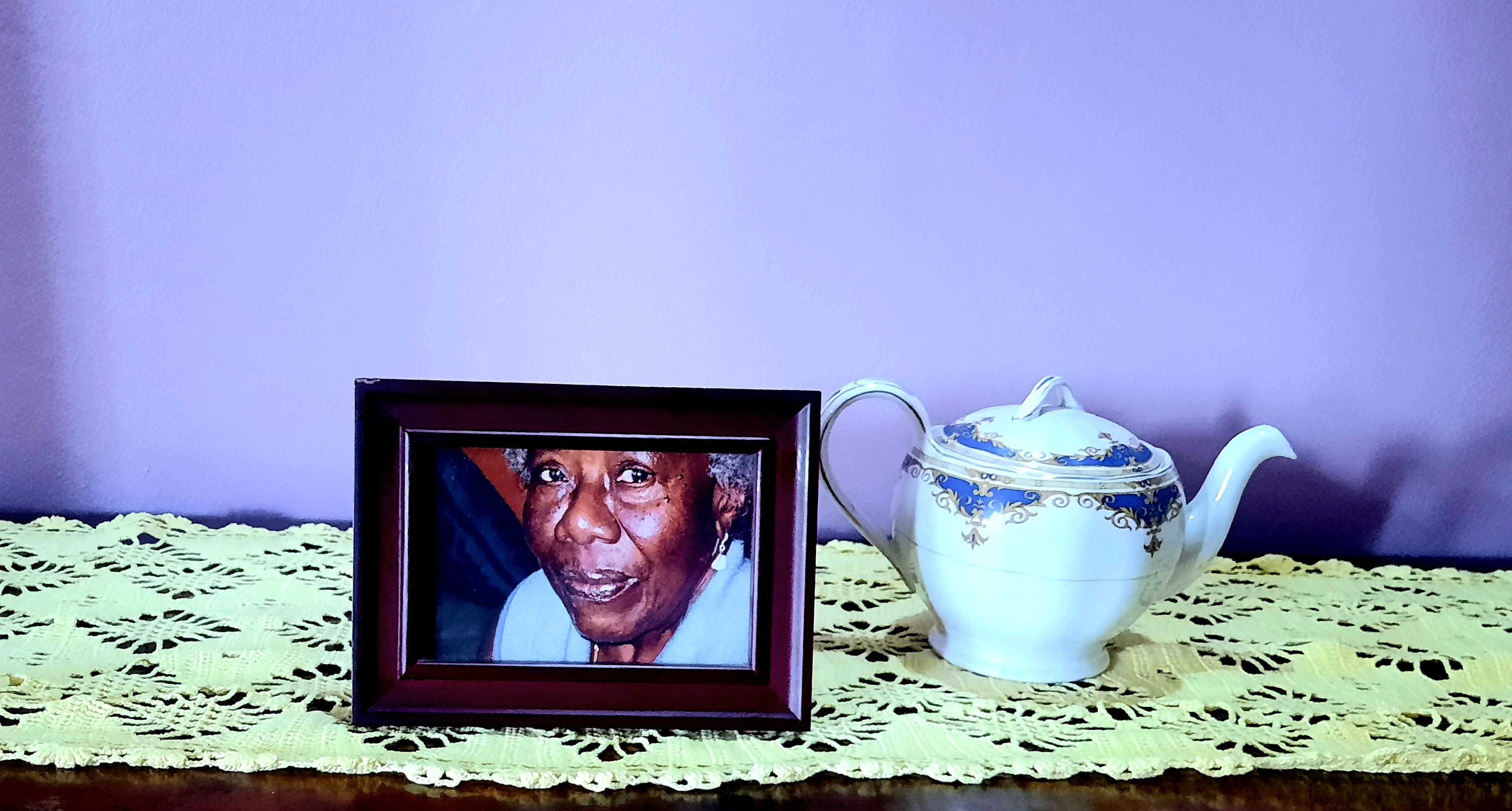
My mother loved the Christmas season, and what I remember most about her is that on Christmas Eve she would take down all the curtains in the house, all the dollies she crocheted, and she would change the curtains and place matching dollies on the tables: the centre table, the side tables, the dressers and night stands. She had loads of dollies that she crocheted, and they matched the curtains. She would have washed, starched then pressed them, all in preparation, all in care.

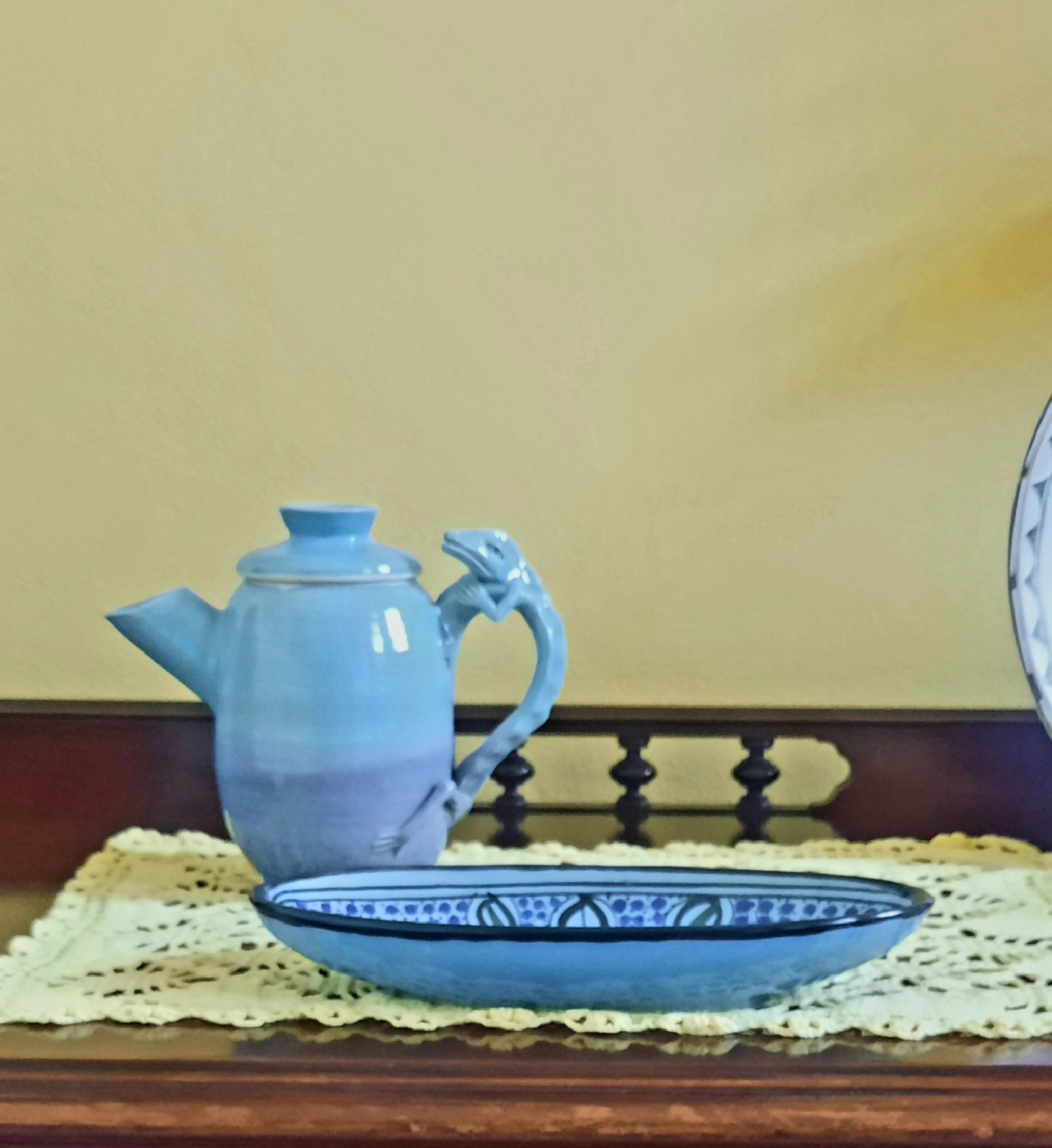
Last night I have took out a few of the dollies that she made for me. I don’t necessarily use them all the time like she did, my aesthetic is little different, but she made these with love, and they are beautiful as creative pieces. We don’t often think of women like my mother, who crocheted and knit functional things, as artists/creatives, but they were. She was an artist in her own regard. She loved to make the house look beautiful and new for the season.

In addition to that, she would bake fruit cake or black cake, and I would lick the pans clean. She would make ham with pineapple and cherries. I’m not sure how all that tradition came to be, but she followed it faithfully. She would make sorrel and other things. She gloried in the season.

I remember one Christmas in particular, because like me, she didn’t believe in cutting down trees just to decorate them and throw them away. So she and I went into the forest nearby. She found an old tree that was already dead, and we dragged it all the way out of the forest. She painted it silver and decorated it, and I remember thinking that it was one of the best Christmas trees we ever had.

Although a number of females writers have said this,  I too must concur that I am a product of my mother, and in more ways than one that is true. My creativity, my love for decorating, my love for plants and nature; these are gifts she bequeathed me. I remember seeing her, as I was growing up, always attending to her plants. Sometimes when she came home from work, even before she took off her work clothes, she would stop to water the garden. She loved her geraniums. She planted bananas. She was multi-talented and multi-creative.

I thank her. I pour libation for her. I call out her name: Catherine James Palmer, in honour of her, in her love and in her laughter. She was a woman who laughed; she laughed with her eyes and her mouth, her whole body. I am grateful that I am her daughter.

So here’s to you, Catherine.
I raise my glass and offer a toast.
I pour libation on the ground that you will never be thirst.

I thank you for your creativity and showering me with love.

Asé

I Chose to Give on My Earth Day

Earth days are special, and I tribute this feeling to my mother who made my birthdays magical when I as a child..  Since I turned forty, I’ve made it a rule never to work on my birthday. As an academic, I had the freedom to arrange my schedule, so if my birthday happened to fall on a teaching day, I’d send my students on a field trip or give them a research project.

Birthdays, for me, have always been sacred and wherever I am in the world, I find a body of water, sea, river, or a lake to visit and spend some time meditating. After that reflective time, I treat myself to an elegant meal and usually end the day with some kind of body work, a massage or facial. My birthdays have been about reflection, indulgence, and gratitude.

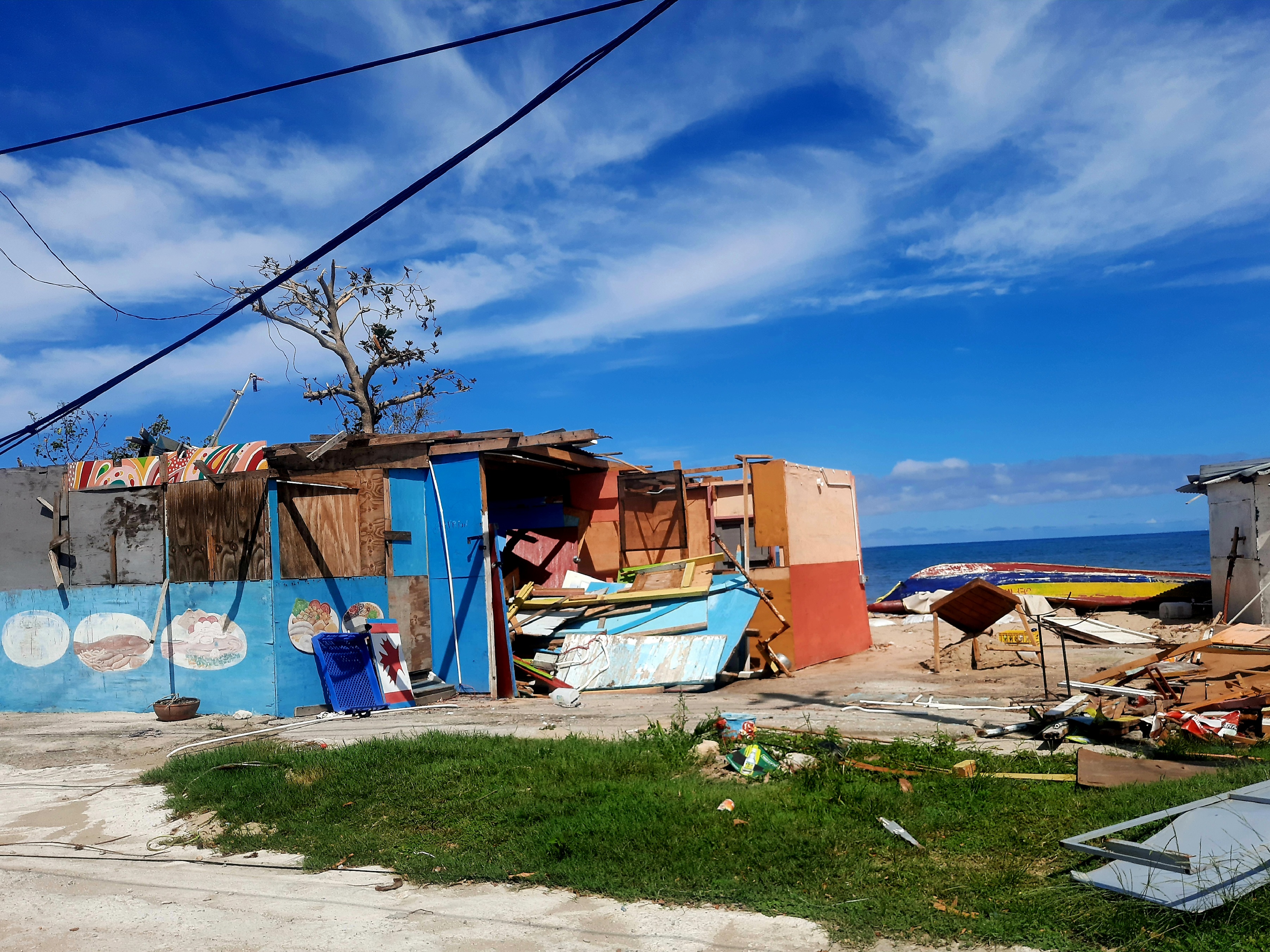
But this year was different. After Hurricane Melissa, celebration felt out of place. Watching the devastation across Jamaica, I knew the best way to honour my life was to give. I’m privileged in many ways, and have more than enough. But so many in the rural areas had lost everything. While relief efforts were underway, many communities were still untouched, cut-off, unseen.

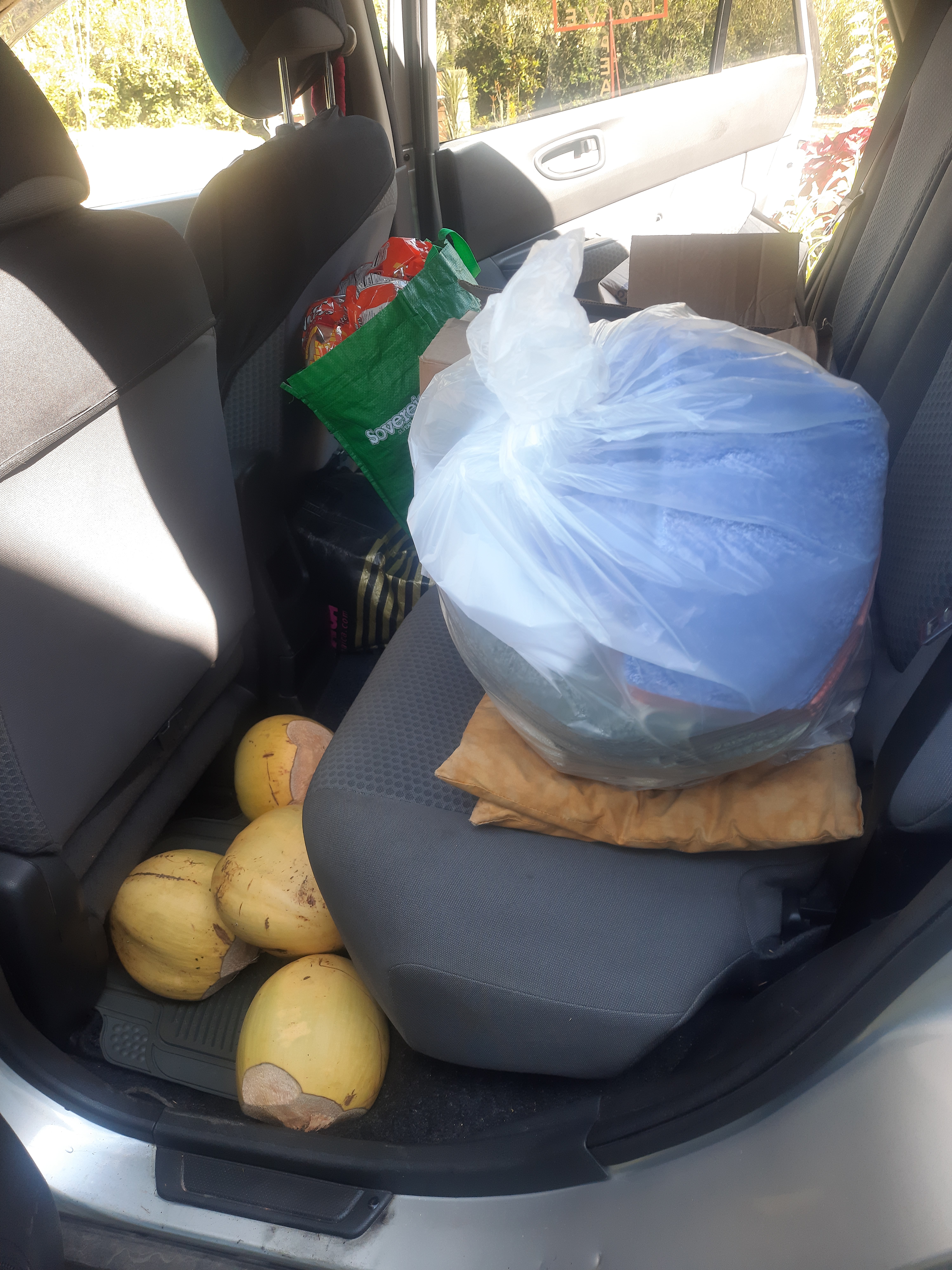
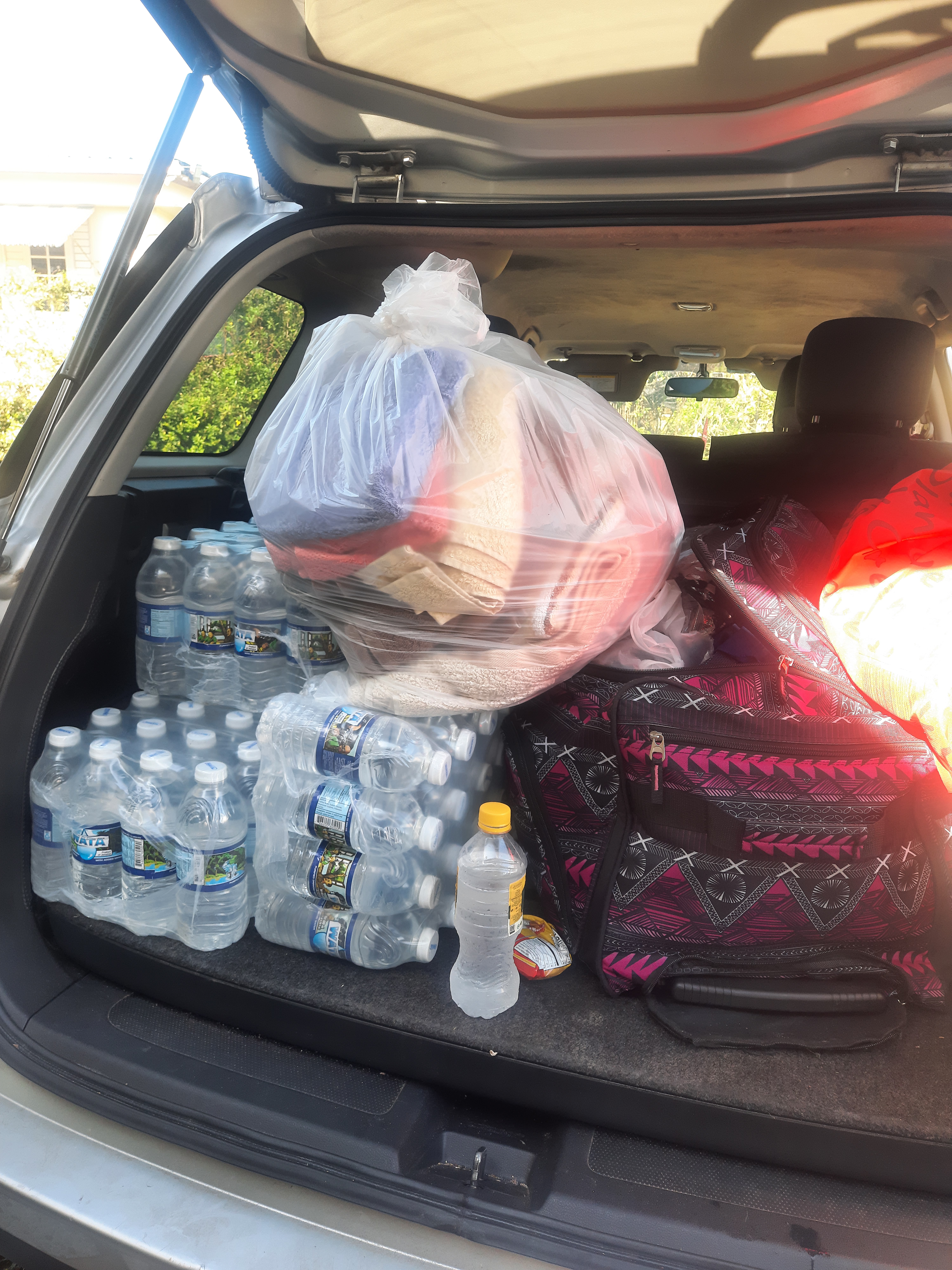
So first, I went through my closet and unloaded 40 dresses, most of which have not been worn more than six times; people needed clothes.  Also, I knew people  needed towels and wash cloths so packed up ten of those. Next I went shopping and spent $35,000 on the basics: rice, flour, sugar, cornmeal, bread, crackers, tinned mackerel and sausage, wipes, bottled water, soap, shampoo. I loaded everything, and accompanied by a community male, I drove to Anchovy, a community a distant cousin told me had been devastated and overlooked.

There, by the river, I met nine women washing clothes with their children nearby. Their words came like a chorus: “We have lost everything. No one has come.” I distributed what I had, and they showered me with blessings and gratitude for my modest donation. I thought about taking photos of the distribution but in the moment, the need of the women and children did not leave space for such documentation. And because the story isn’t about what I gave, but rather what lesson Melissa gave me: a new way to see my birthday not as a day of self-luxury, but of active service.

Returning from Anchovy I went into my closet, and it did not look empty. It was still full, with more dresses than I need. That’s when I affirmed that I am rich. I had never used that word for myself before. I used to say “comfortable,” but no, “I am rich.”  Yet I realized I am rich enough to give and not experience loss. This is what many of my fellow Jamaicans must reckon with: the illusion of scarcity. We have more than we think.

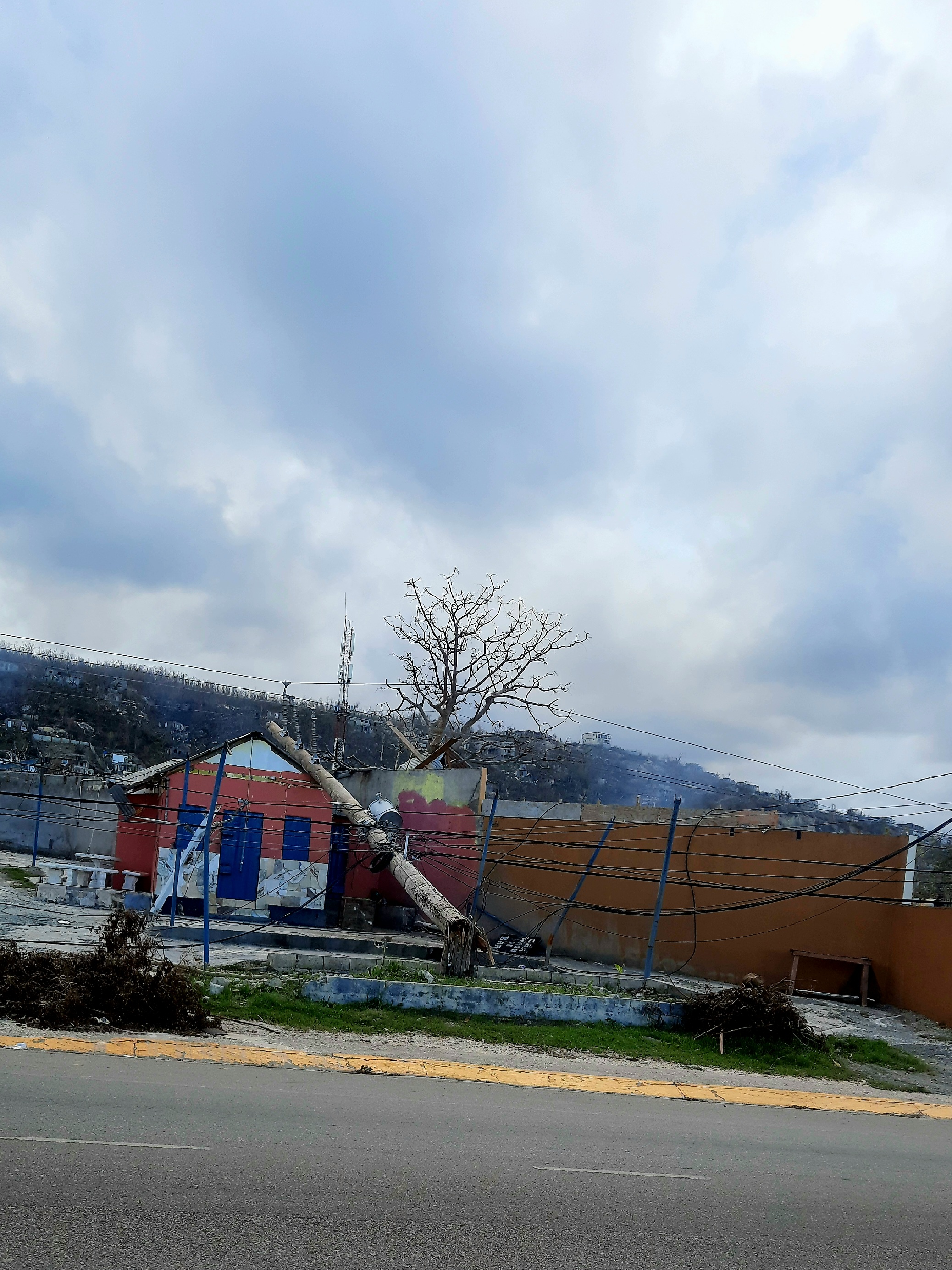
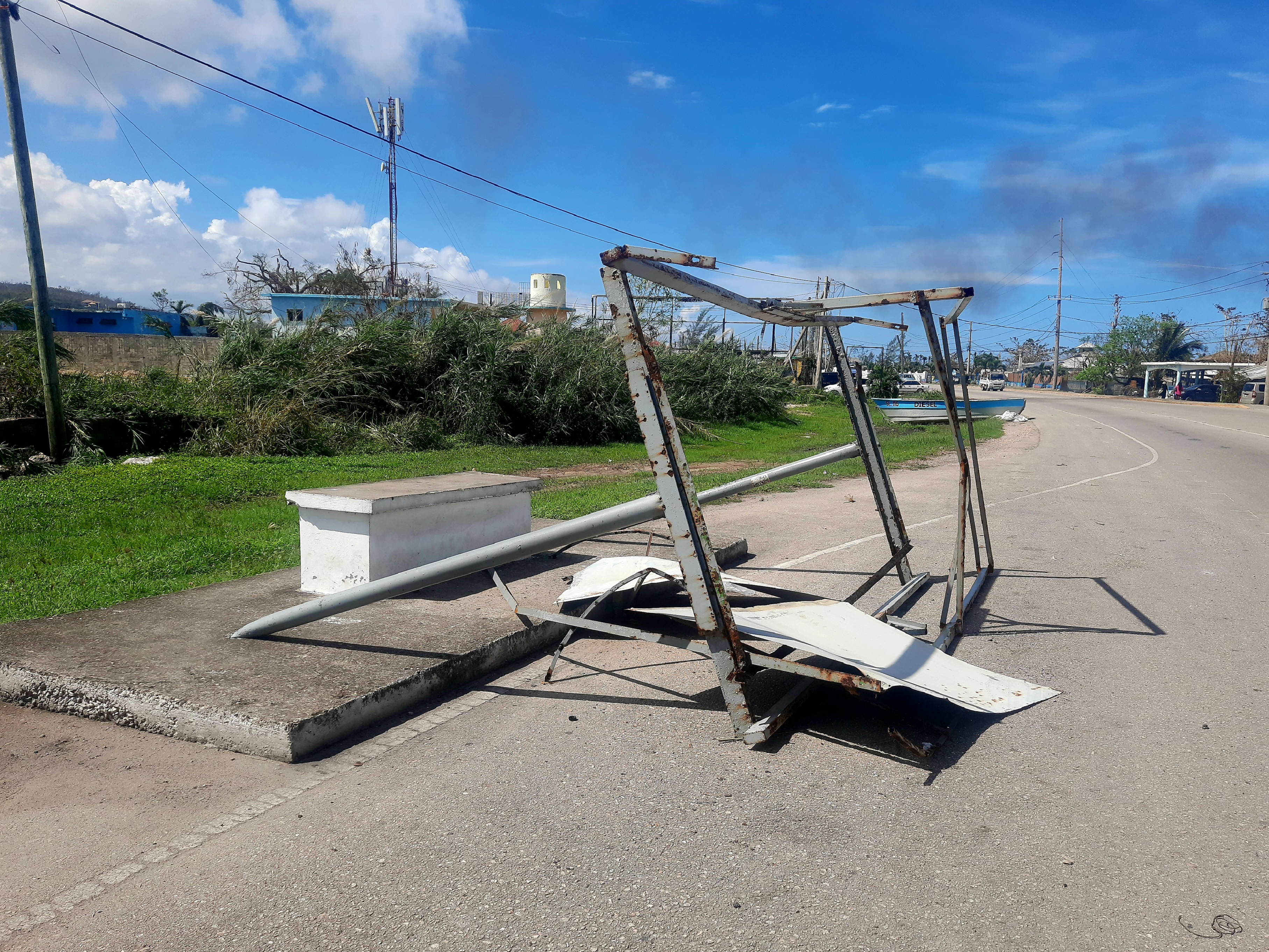
But my heart and body felt pained as I grieved for those people and the land that have been so severely impacted. The countryside looks like images I have seen of Beirut and Iraq in ruins. Thousands of trees gone. Animals lost. Land stripped bare.

And while it is true, we’re a resilient people, a phrase repeat like a mantra, I want to invite all of us to pause. It’s time to admit that resilience alone isn’t enough. We must allow space for grief, for weakness, for mourning so we can rebuild stronger and better.  Strength means nothing if we cannot first acknowledge our pain and what we lost.

I believe rich and middle-class Jamaicans have a moral  and social responsibility to adopt the forgotten villages, those not on the radar, cut off from aid and internet, invisible to the government. These are poor Black communities that have been neglected for centuries, before and after independence. They need more than charity; they need solidarity, and a plan that will secure their respective places, but also take them into the future. They need their stories recorded, their voices amplified, and their needs and wants acknowledged and respected.

This is an opportunity for the Ministry of Culture and Gender to send young artists, writers, and students into these communities to document the traumatic experiences of these people. Let us create a living archive of their voices, a testament to what Hurricane Melissa has done to our land and our people. We owe them that dignity.

And so I’ve made a decision that every year on my Earth Day, I will give. I will continue to celebrate my awesome life but by serving. I invite my friends, colleagues, and fellow Jamaicans to do the same. Let’s adopt a village. Let’s help ensure that by next August, 2026, the families in these rural communities will have sturdy homes and sustainable livelihoods. Food relief is temporary, but empowerment is lasting.

We are resilient, yes, but we are also humans who have suffered great loss, who are in pain, and are therefore in need of not only food and shelter, but comfort, and  permission to grieve.  Yes, we are tallawah and will rebuild, but let us give those impacted a moment to just be still, to reflect and decide what they want their future to look like. On this Earth Day, I learned that true abundance lies not in what we have, but in what we give away.

Ode to Hurricane Melissa: A Conversation, A Plea

Dear Melissa, my sister Hurricane,

So you’ve been dilly-dallying, eh? Sauntering across the sea like you going to a party, hips swaying, your skirts of cloud dragging across the horizon. We see you, girl. We’ve been seeing you. Watching your slow, deliberate stride. Listening to the whisper of your name in the wind. They say you’re coming with anger, with force, but maybe it’s not rage at all. Maybe it’s hurt. Maybe it’s vexation, vex because of how we’ve treated you, treated the earth, treated ourselves.

All the bottles and plastics that were banned but still float like dons in the gullies. The trash we burn without care, the smoke rising like confessions. Maybe you just tired of us, tired of our stubbornness, our refusal to change our carless ways, our greed and consumption.

But I see you, Melissa. This morning I went outside to greet your first shy showers. I splashed in them, as I love to do; told you “Howdy. Welcome!” Whispered, “Please, keep my house safe.” Don’t come huffing and puffing like some big bad wolf, I beg you. Take it easy ‘round here.

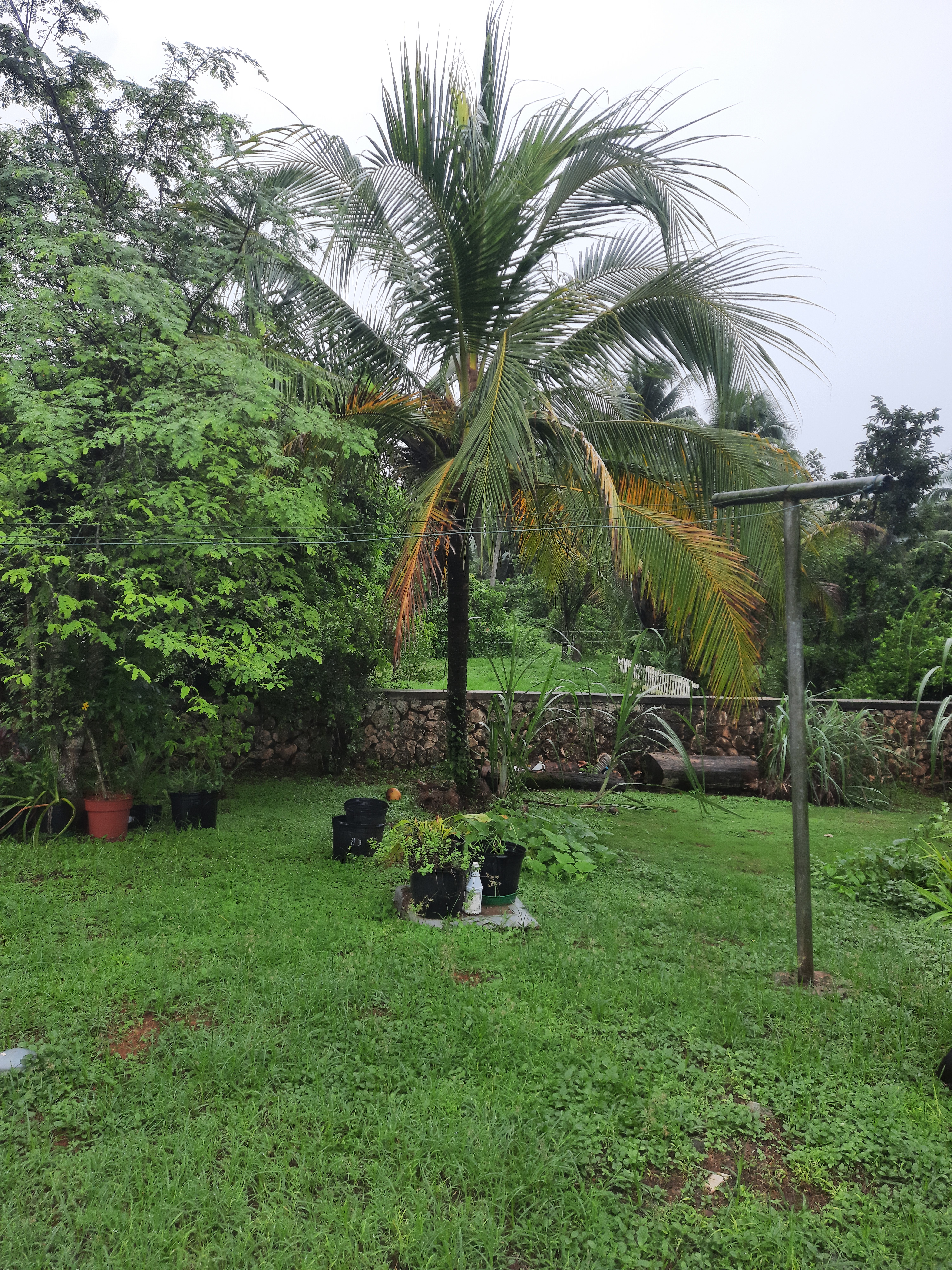
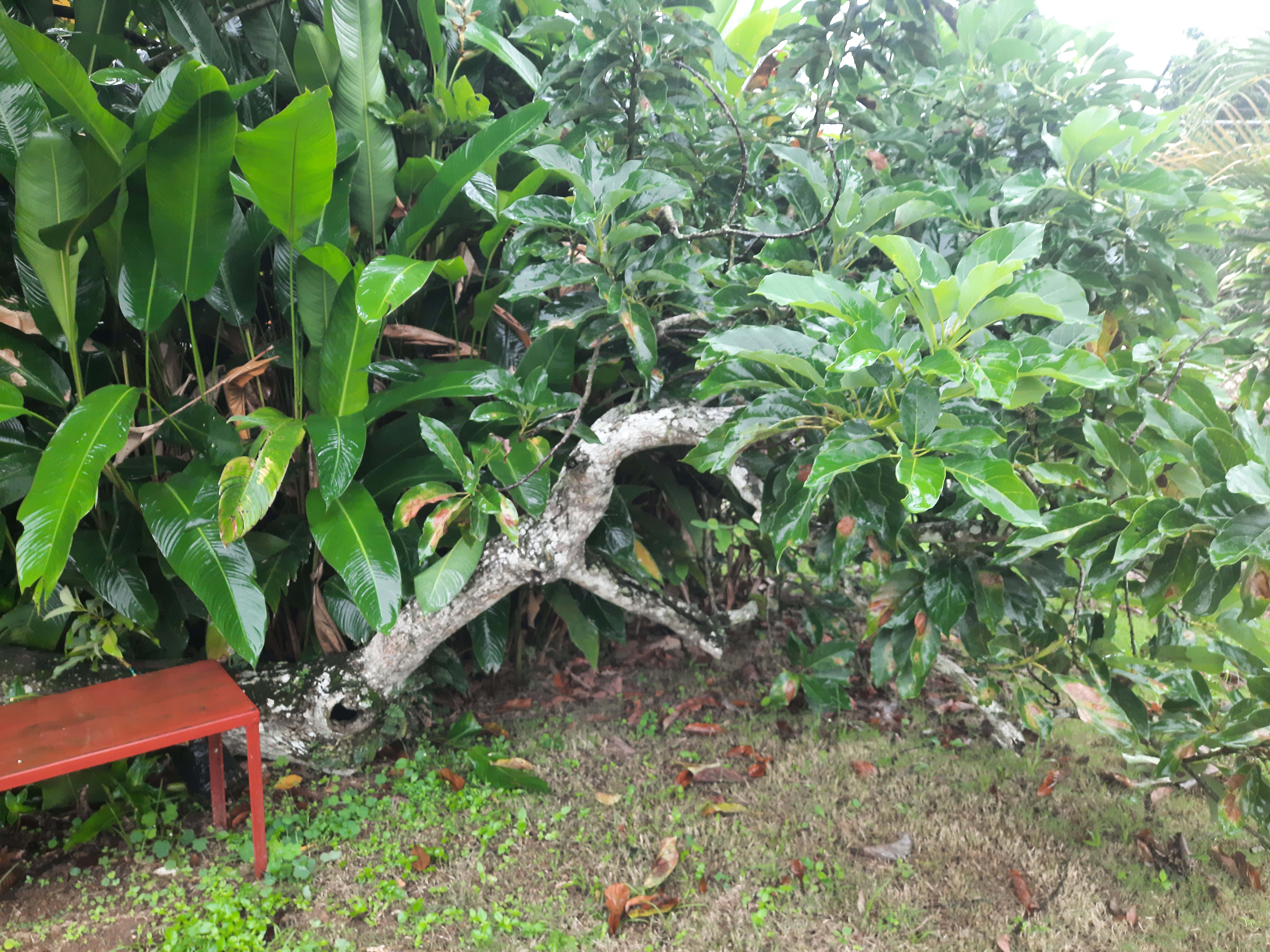
I picked a few bird of paradise which I love and in your haste you might not see them and just blow them away.  I said thanks to my banana and plantain trees, my lime and cane and my pear; poor ting fell down already and Delroy, the gardener help me kotch her up;  so please, tek time with her, nuh, have mercy pan this old limping girl.. My coconut tree standing tall still, and all my pretty flowers: hibiscus, buttercups, bread-and-basket, crotons, ferns. Jason helped me tuck them safe in the corner this morning, so when you pass by showing off your power, you might spare them your mercy.

And truth be told, I’m not innocent either. I try me best.  I pick up, I recycle, I talk about protecting the earth , but maybe I too am part of the problem. None of us are exempt, are we?

So Melissa, darling, come now. Come if you must, but come gentle. Don’t make us wait no more.  It’s one of the hardest things, this waiting. My anxiety level is high, You’ve been teasing us since last Wednesday and it’s now Monday. My classes canceled, my mind wandering. I can’t focus, can’t work. So come now, in your yellow dress or your navy one, with your hair flying wild or pressed neat — I don’t mind. Just come, do what you must, and then go on your way.

And when you reach the sea, before you touch land, just exhale your breath out there, let your rage disperse over the deep. We are a loving people here, truly. Sometimes we quarrel, sometimes we act up, but deep down, we’re kind. It breaks my heart, though, to see the way we treat our own, the cane cutters, the fishermen, our people living in conditions too close to slavery. It shames me, it wounds me.

So I pray for them, for all of Jamaica. I’m lucky to be in a solid house, but anything can happen. Still, my ancestors, my Orishas, my divine guardians, they walk with me. I trust their protection, their grace.

And to all those who’ve called, emailed, sent love and prayers, thank you. It’s for all of us.

So Melissa, my tempest sister, we’re waiting. Come if you must, say what you have to say. Trace us, scold us, dash a little saltwater in our faces, and then please, leave us in peace. Let our trees rise again, our flowers bloom again, our lives go on.

Take it easy, my child. Take it easy.

Walk good, my girl. Walk good.
And don’t let no bad duppy follow you for you’ve been carrying on like one wild spirit, and we don’t like bad duppy in Jamaica, no sah.

Love, Life Lived

Happy Valentine Day


What is the origin of the word Love?

The word love goes back to the very roots of the English language. Old English lufu is related to Old Frisian luve, Old High German luba, Gothiclubo. There is a cognate lof in early forms of the Scandinavian languages. The Indo-European root is also behind Latin lubet meaning it is pleasing and lubido meaning desire. The word is recorded from the earliest English writings in the 8th century.

Noun -an intense feeling of deep affection.

Verb – feel a deep romantic or sexual attachment to (someone).

Today will not and cannot mean anything unless you have been a diligent student of love, and that the love you feel for your family and/or children and the love your feel for your lover/partner is practiced daily and seasoned with patience, understanding and acceptance. To want and welcome love into your life you have to be a devotee of love in the fullest and widest meaning of the word…It is the joyful sensation you feel when you first wake and the last thought that flashes through your mind just before you fall asleep; you see and experience it everywhere, in the flowers, in the sky; you feel it in the wind, and it is the water that wets your skin. Love is both tangible and intangible. It’s in the coconut water my man cuts for me daily, the wild flower he picks me, the way he interrupts me to share the progress of our okra plants, the touch, the glance, the way we integrate our lives and days into what feels like harmony. My love is big and wide without comparison and I am so so grateful to be alive at this time and be present to the love that surrounds me. I gift each of you the same