On Wednesday, I was coming in from Linstead, and just after we got off the Mandela Highway, there was traffic heading onto the boulevard. As we crawled along, I noticed two cars pull very close together. Hands stretched out of the windows, and in one hand was a bag of mangoes. The other car drove up alongside, and the other hand grabbed mangoes, waved and the window rolled up again.
I was directly behind the two cars and I thought, How wonderful. They must know each other, I said to myself.
Traffic moved on, and then, by chance, I found myself parallel to the driver who had given away the mangoes. On impulse, I rolled down my window, blew my horn and, when the window of the other car rolled down, I jokingly, asked, “Where is my mango?” I smiled, then laughed. Traffic began to move so I drove on.
After all, I had just watched her give two mangoes to another car.
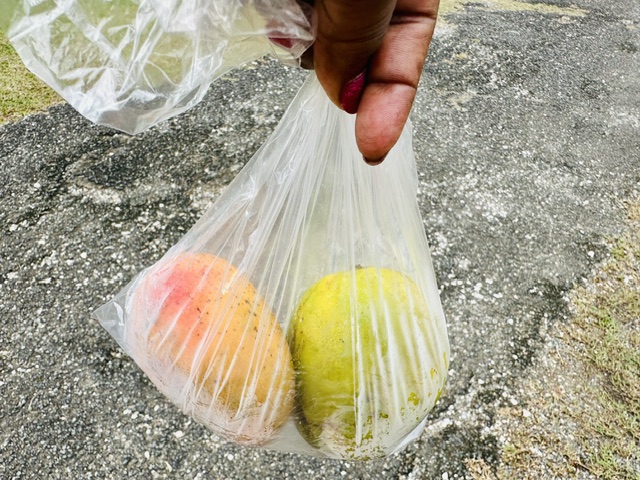
Traffic moved again and then tightened up once more. A few moments later, I heard a horn beside me. Lo and behold, the same woman rolled down her window and handed me a plastic bag containing two mangoes. Our cars were close enough for her to reach across, and I gladly accepted them.
I thanked her profusely, and I thought: Only in Jamaica, in the middle of traffic, would people exchange mangoes on the road.
That gesture reminded me of something we often forget. We talk about our crime and violence numbers, and those things are real. But there is another Jamaica that is just as real, the Jamaica of generosity, kindness, and spontaneous giving.
This woman embodied that spirit. I had only said, “Where is my mango?” in jest. Yet she obviously had more mangoes in her car, put two in a bag, and reached out her hand to share them with me, a stranger.
To me, that moment epitomized the best of Jamaica. I love us.
I want to say respect and thanks to that woman. I want to Big Up those Jamaicans who still carry the Jamaican spirit of sharing, giving, and simple generosity.
Thank you. It was a wonderful manifestation of our Jamaican spirit and a reminder that sometimes a joke can become food.
I want the woman, whose name I do not know, to know that I enjoyed the mangoes, and am grateful. More importantly, I am grateful for her generosity because for that brief moment on a crowded road, she reminded me of the Jamaica I love.
I was happy and light throughout the remainder of the day and shared that story with others. I invite my fellow Jamaicans to daily, consciously celebrate that aspect of our immutable culture.
Earth days are special, and I tribute this feeling to my mother who made my birthdays magical when I as a child.. Since I turned forty, I’ve made it a rule never to work on my birthday. As an academic, I had the freedom to arrange my schedule, so if my birthday happened to fall on a teaching day, I’d send my students on a field trip or give them a research project.
Birthdays, for me, have always been sacred and wherever I am in the world, I find a body of water, sea, river, or a lake to visit and spend some time meditating. After that reflective time, I treat myself to an elegant meal and usually end the day with some kind of body work, a massage or facial. My birthdays have been about reflection, indulgence, and gratitude.
But this year was different. After Hurricane Melissa, celebration felt out of place. Watching the devastation across Jamaica, I knew the best way to honour my life was to give. I’m privileged in many ways, and have more than enough. But so many in the rural areas had lost everything. While relief efforts were underway, many communities were still untouched, cut-off, unseen.
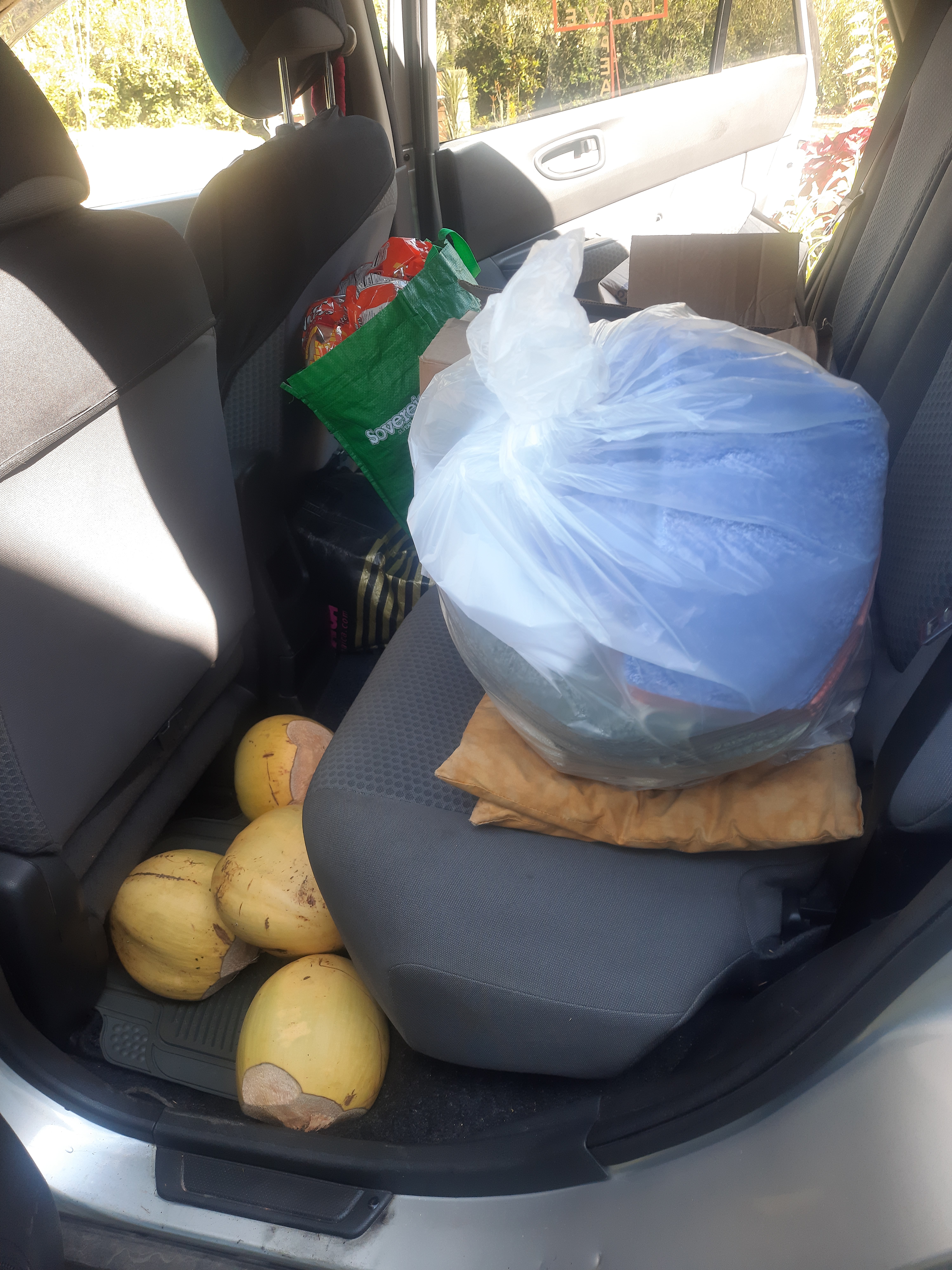
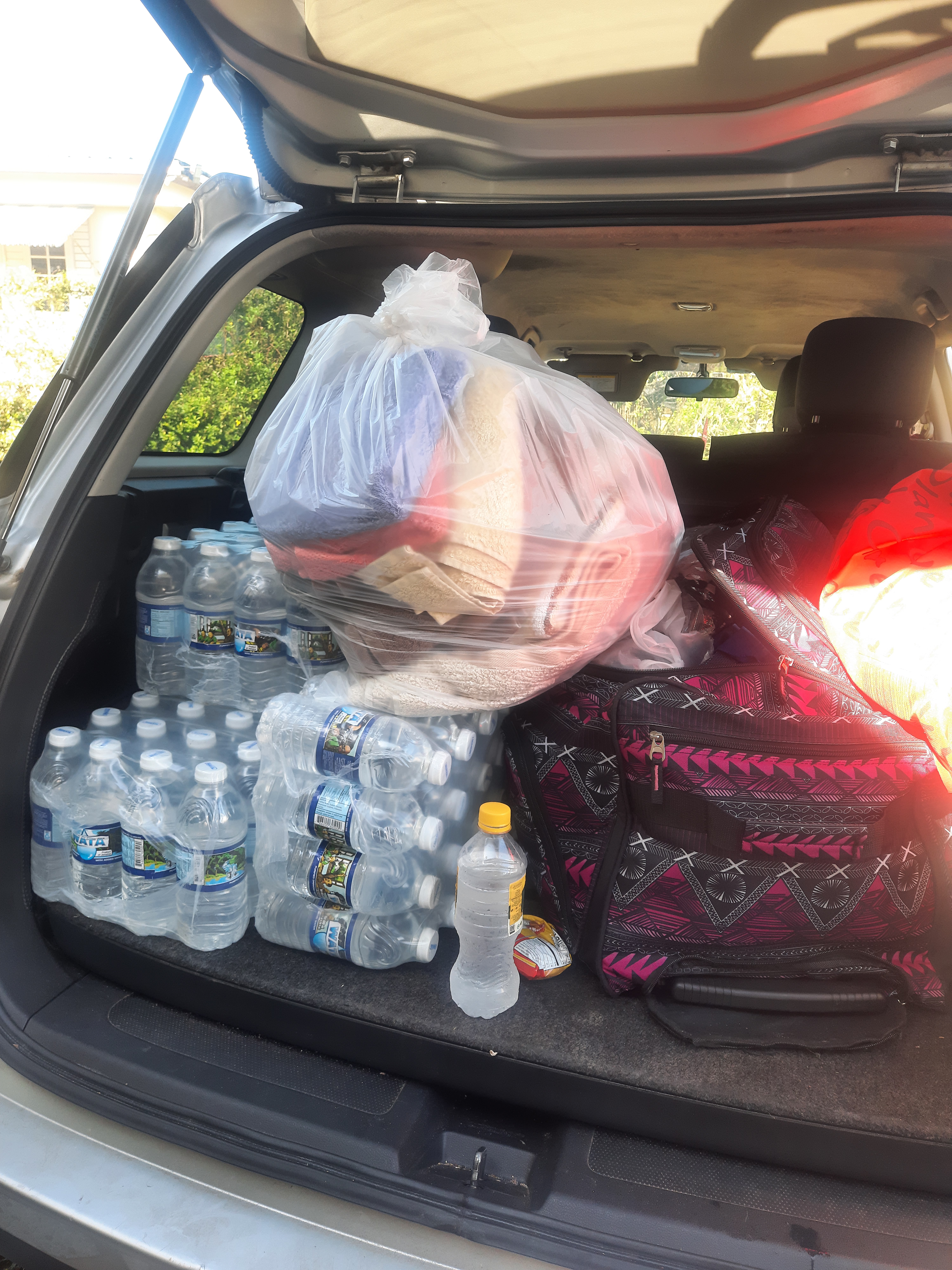
So first, I went through my closet and unloaded 40 dresses, most of which have not been worn more than six times; people needed clothes. Also, I knew people needed towels and wash cloths so packed up ten of those. Next I went shopping and spent $35,000 on the basics: rice, flour, sugar, cornmeal, bread, crackers, tinned mackerel and sausage, wipes, bottled water, soap, shampoo. I loaded everything, and accompanied by a community male, I drove to Anchovy, a community a distant cousin told me had been devastated and overlooked.
There, by the river, I met nine women washing clothes with their children nearby. Their words came like a chorus: “We have lost everything. No one has come.” I distributed what I had, and they showered me with blessings and gratitude for my modest donation. I thought about taking photos of the distribution but in the moment, the need of the women and children did not leave space for such documentation. And because the story isn’t about what I gave, but rather what lesson Melissa gave me: a new way to see my birthday not as a day of self-luxury, but of active service.
Returning from Anchovy I went into my closet, and it did not look empty. It was still full, with more dresses than I need. That’s when I affirmed that I am rich. I had never used that word for myself before. I used to say “comfortable,” but no, “I am rich.” Yet I realized I am rich enough to give and not experience loss. This is what many of my fellow Jamaicans must reckon with: the illusion of scarcity. We have more than we think.
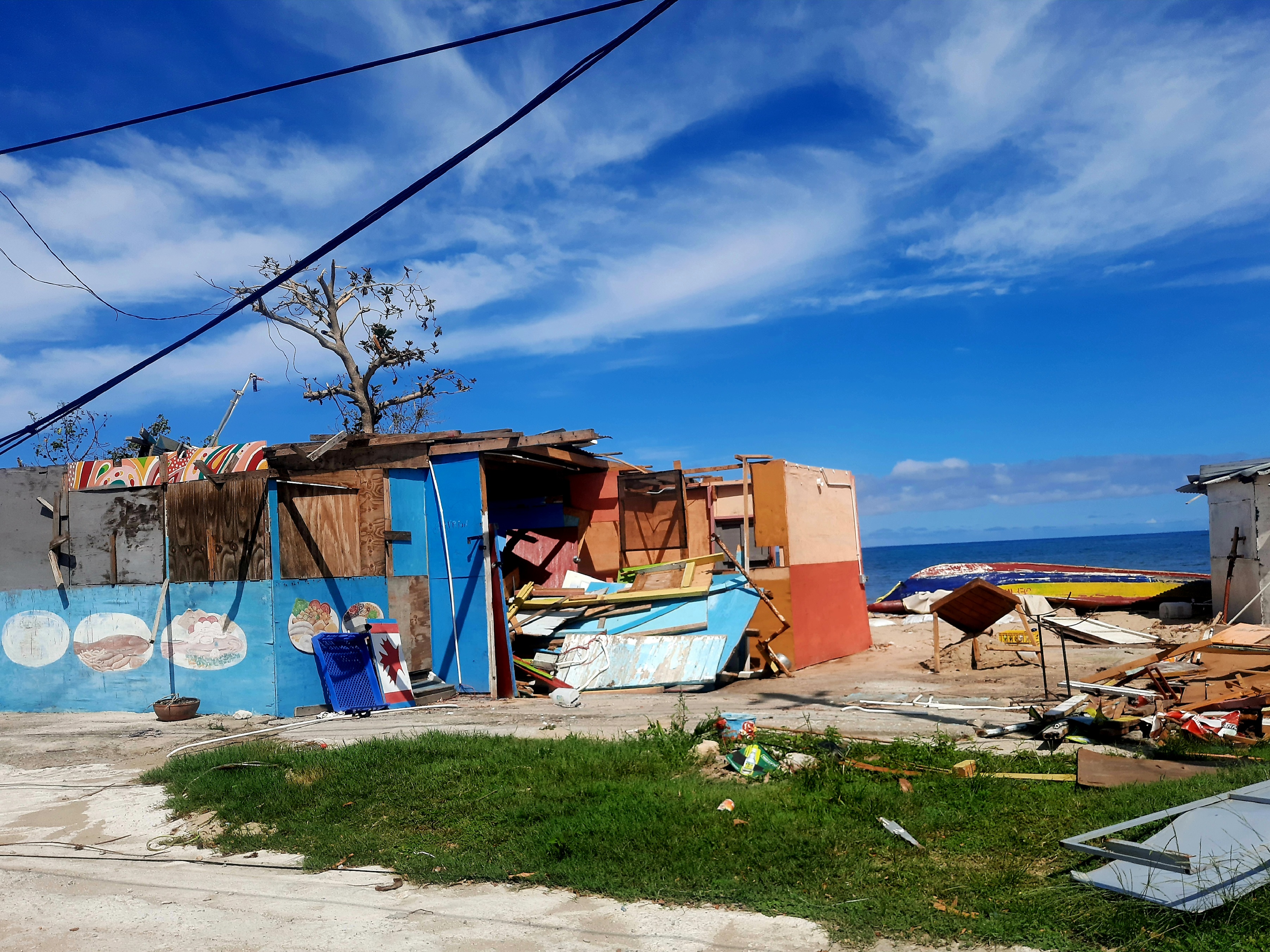
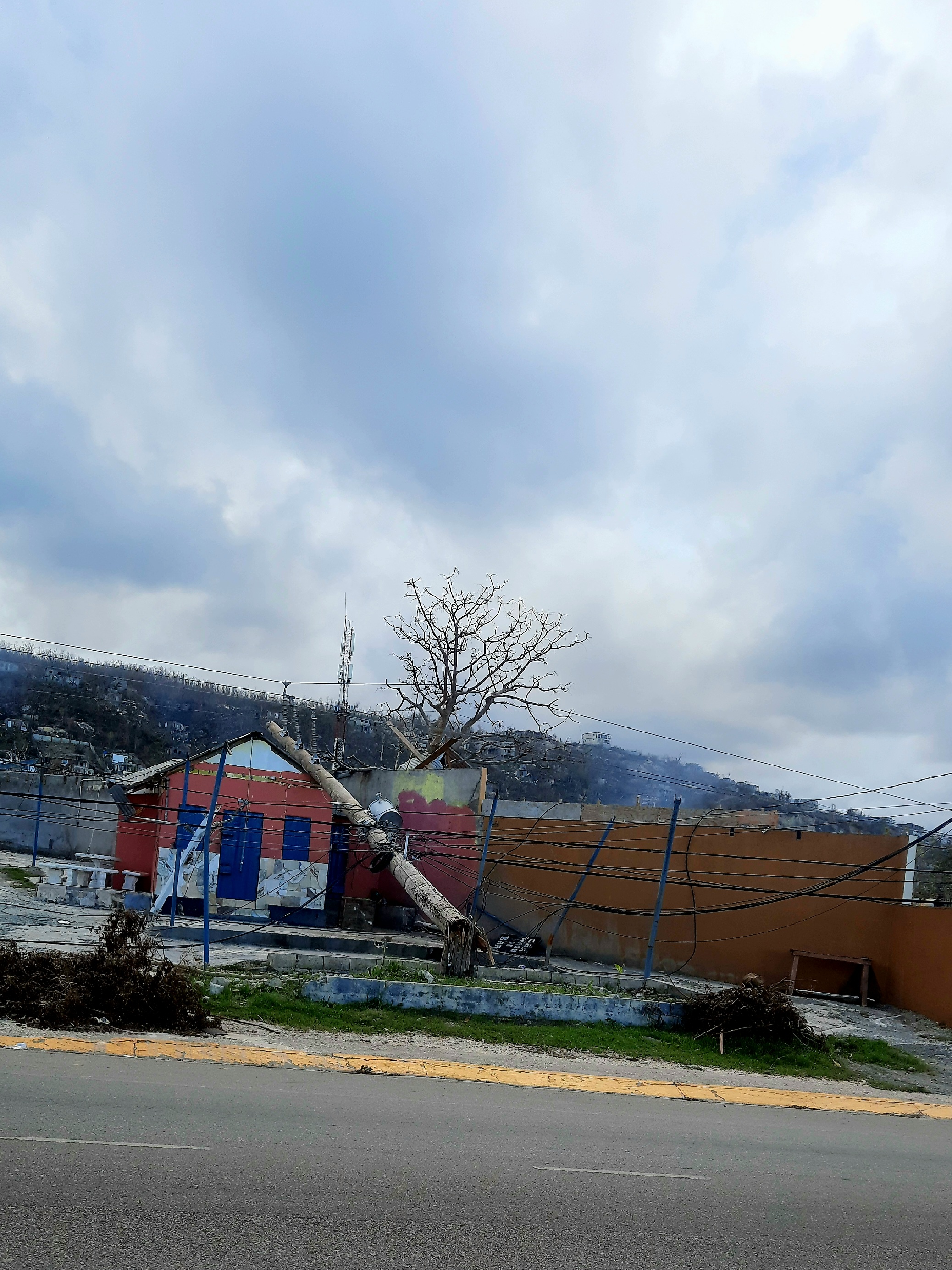
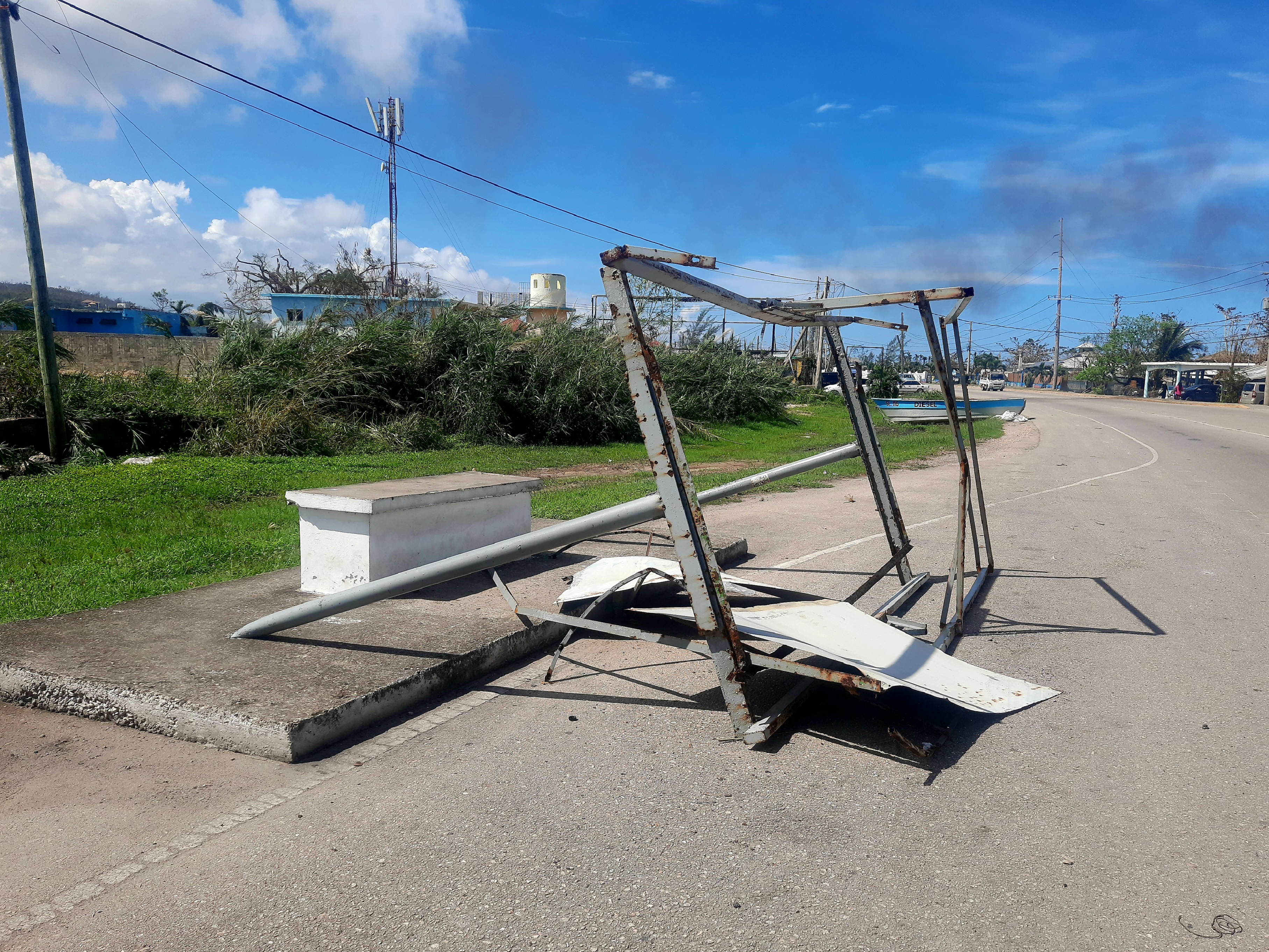
But my heart and body felt pained as I grieved for those people and the land that have been so severely impacted. The countryside looks like images I have seen of Beirut and Iraq in ruins. Thousands of trees gone. Animals lost. Land stripped bare.
And while it is true, we’re a resilient people, a phrase repeat like a mantra, I want to invite all of us to pause. It’s time to admit that resilience alone isn’t enough. We must allow space for grief, for weakness, for mourning so we can rebuild stronger and better. Strength means nothing if we cannot first acknowledge our pain and what we lost.
I believe rich and middle-class Jamaicans have a moral and social responsibility to adopt the forgotten villages, those not on the radar, cut off from aid and internet, invisible to the government. These are poor Black communities that have been neglected for centuries, before and after independence. They need more than charity; they need solidarity, and a plan that will secure their respective places, but also take them into the future. They need their stories recorded, their voices amplified, and their needs and wants acknowledged and respected.
This is an opportunity for the Ministry of Culture and Gender to send young artists, writers, and students into these communities to document the traumatic experiences of these people. Let us create a living archive of their voices, a testament to what Hurricane Melissa has done to our land and our people. We owe them that dignity.
And so I’ve made a decision that every year on my Earth Day, I will give. I will continue to celebrate my awesome life but by serving. I invite my friends, colleagues, and fellow Jamaicans to do the same. Let’s adopt a village. Let’s help ensure that by next August, 2026, the families in these rural communities will have sturdy homes and sustainable livelihoods. Food relief is temporary, but empowerment is lasting.
We are resilient, yes, but we are also humans who have suffered great loss, who are in pain, and are therefore in need of not only food and shelter, but comfort, and permission to grieve. Yes, we are tallawah and will rebuild, but let us give those impacted a moment to just be still, to reflect and decide what they want their future to look like. On this Earth Day, I learned that true abundance lies not in what we have, but in what we give away.




 Opal Palmer Adisa