Everywhere I look, the future seems filled with disaster. In movies, novels, television series, and even public discourse, we are constantly presented with images of collapse: environmental catastrophe, technological domination, endless wars, social breakdown, and human suffering. The future has become a place of fear. Many of our writers have accepted dystopia as the future and publish realms.
I often wonder why, and as a result have withdrawn from certain things to nurture my spirit. I no longer listen to the news, read the newspaper or those magazines/journals that scandalize and promote discord. I am very content staying home, tending to my plants and protecting my spirit from the constant harassment and negativity of what is mostly doom. Yes, you can say I am living in my own bubble.
However, I invite you to interrogate why so many of our stories assume that humanity is destined for destruction? Why do we find it easier to imagine the end of the world than to imagine a world that is healthy, balanced, and peaceful?
I believe part of the answer lies in the worldview we have inherited. Much of contemporary thinking about the future comes from a Western model shaped by conquest, competition, and accumulation. For centuries, European powers colonized vast regions of the world, extracting resources, enslaving people, and imposing systems that prioritized profit over human well-being. That history has left a deep imprint on how many of us think about progress, power, and even survival. This is not a universal worldview.
The dominant story tells us that there is never enough. Someone must win and someone must lose. Resources must be controlled. Wealth must be accumulated. Nature exists to be exploited. Monsters and gigantic creatures or aliens are coming to destroy our world and wipe us out. Within such a framework, it is not surprising that the future appears bleak.
But this is not the only way human beings have understood the world. Across Africa, among Indigenous peoples, and within many traditional societies, there have long existed philosophies rooted in community, reciprocity, and respect for the natural world. These traditions remind us that human beings are interconnected, that the health of one depends on the health of all, and that the earth is not merely a commodity but a living source of sustenance and wisdom. Many will say I am a foolish optimist, that a harmonious future is naïve. But I beg to differ.
What would happen if we allowed these ideas to guide our imagination and our actions? What if we did not allow the crooks and the greedy to rule? What if we were to adjust and accept and implement a different paradigm?
What if we envisioned a future where communities shared resources rather than hoarded them? What if we imagined cities designed around human well-being instead of endless consumption? What if we taught our children that cooperation is as valuable as competition? What if we honoured rivers, forests, oceans, and animals as partners in our survival rather than obstacles to profit?
I am not suggesting that such a future would be perfect. Human beings will always face challenges. There will always be disagreements, uncertainties, and difficult choices. But difficulty does not have to lead to destruction. Conflict does not have to result in domination.
The future can be something other than doom. What if the future is not something to survive, but something to heal?What if our stories prepared us not for collapse, but for cooperation?What if writers became architects of possibility rather than prophets of doom?
As writers, artists, educators, and thinkers, we have a responsibility to expand the boundaries of possibility. The stories we tell shape the worlds we create. If we continually imagine catastrophe, we may unconsciously and consciously move toward it. But if we dare to imagine balance, justice, healing, and collective flourishing, we begin to create a blueprint for another way of living. Radical Hope must be our Creative Practice.
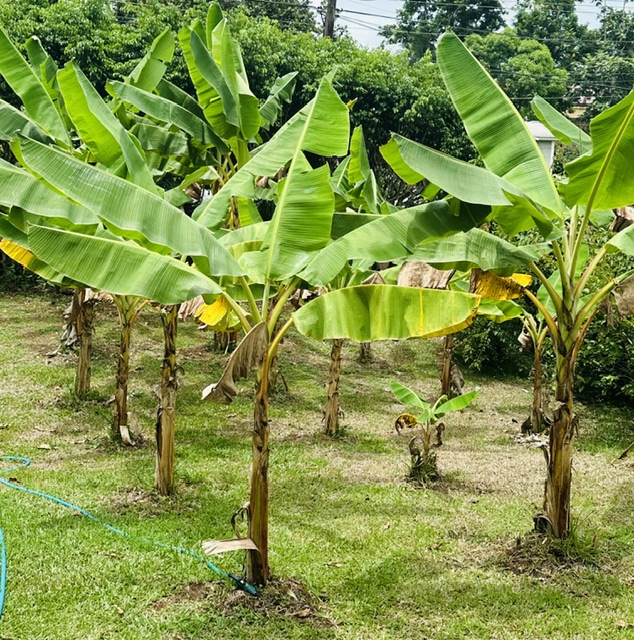
I believe such a future is possible. In January after Hurricane Mellisa decimated the banana/plantain and other crops, I decided to play twenty plantain suckers. Now they are way taller than me, in the space of six month, and will yield plantains in another three to four months. I didn’t just imagined, I acted.
The question is whether we are willing to imagine a more uplifting future, and work towards ensuring its possibility. I am, and I invite you to join me… to breathe in and honour the vast beauty that surrounds us and let that be our focus.
I’ve written 26 books on my own in the last 30 years, so maybe AI can help me write 20 more before I die. What are the big issues?
I had never used AI until January 2025, when my daughter came and said, “Mommy, why aren’t you using AI? It could help you write quicker.” She showed me. I thought about it, but I didn’t use it again until March 2025 when I was touring in Europe. I had written one presentation for an institution, and they wanted another. The professor said, “You know everything. Why don’t you just tell it to AI and AI will organize it?”
Tell it to AI and AI will organize it? Okay, let’s try that.
I did. AI organized it. I was astounded.
I don’t believe in what they call writer’s block. I’ve never had it. I have ideas coming through my eyes, my nose, every pore of my body. I could write ten million books; I just don’t have the time. So 2025 was my first time really using AI, and it was only on those two occasions.
Then I was talking to my daughter again, telling her how frustrated I was about writing to someone. I wanted the right tone. I didn’t want it to sound abrasive or accusatory. She said, “Let AI in.” I thought, let AI in? She said, “Yes. Write your letter, then ask it to soften it.”
I tried. I was shocked! AI did what I asked, but also quicker than I ever could. I was truly muffled – is that the word?
I remembered: when I was in school, we didn’t have calculators. When my children were in school, they had calculators, and I thought that was cheating. But they used them. I used a typewriter all through college because computers didn’t exist then. You fed in the paper, changed the ribbon, retyped whole pages if you made an error, until whiteout came along. Then came the computer when I was doing my master’s. A big, clunky machine, like the old televisions. Floppy disks. I had so many floppy disks. I may have thrown some away with invaluable work on them.
Technology changes. It improves.
The debate about AI and writing is real. As a professor last semester, I read some student papers and thought: this does not sound like them. I see them in class. I know how they speak. I spoke to a colleague who mentioned Turnitin. I asked my students directly. They swore they hadn’t used AI, or only used it for organizing. Because I don’t know enough about AI to accuse anyone, I asked them to include a disclosure: either that they didn’t use AI or to explain how they did.
Then I thought about my own writing.
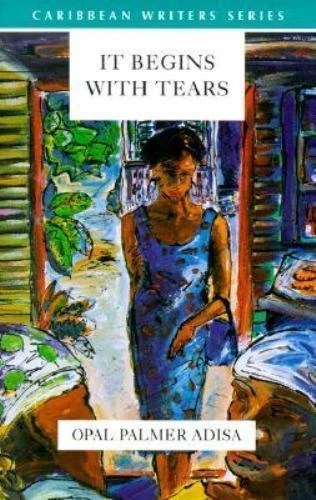
My first novel went through eight drafts because I didn’t know what I was doing. I was experimenting. I didn’t want to write a traditional novel in the traditional sense. It Begins with Tears went through eight drafts. When it was accepted, the publisher said it was too long—about a hundred pages too long. We had to cut it. The editor suggested changes to improve flow, to move paragraphs around.
Is that so different from what AI does only faster? I don’t know.
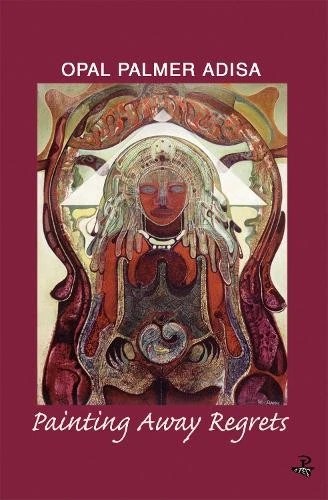
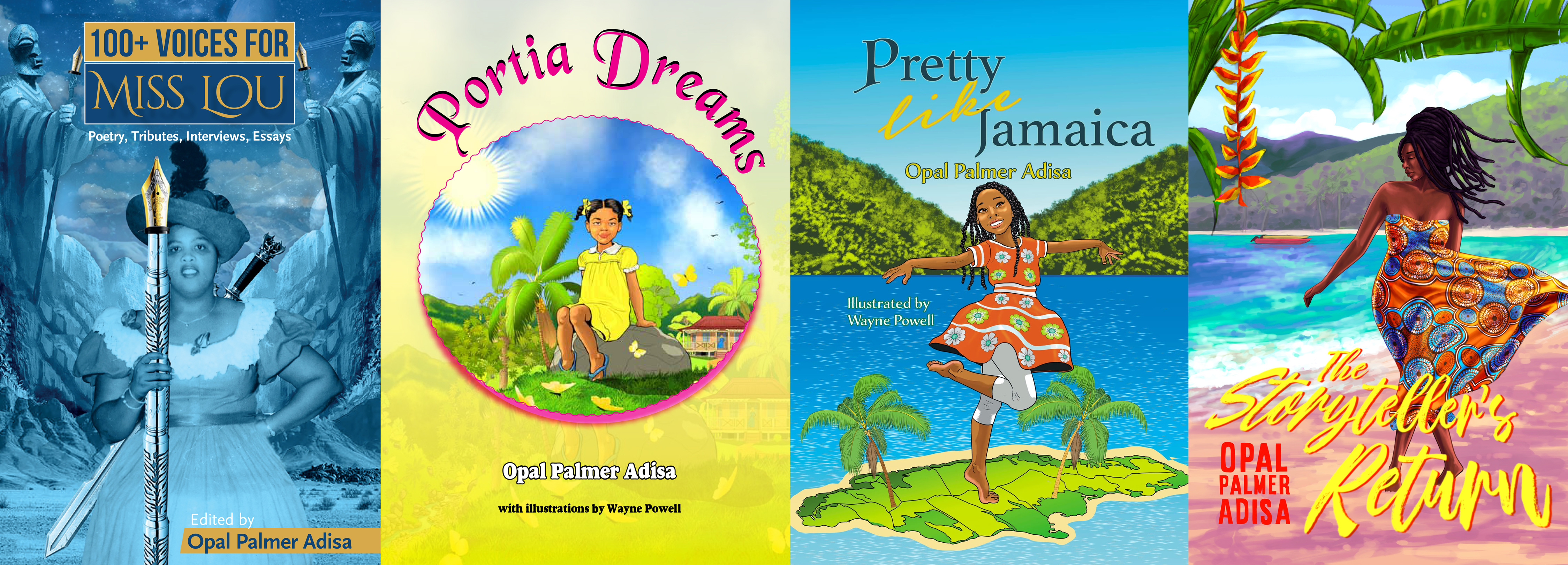
Every book I’ve published, 26 so far contains my thoughts, my ideas. Yes, I’ve had writing groups. They made suggestions: move this, clarify that, deepen this scene. When one uses AI that way, is it not similar to an editor or a writing group?
The other way is when you have no ideas and tell AI to write the paper for you.
I haven’t done that. But I am curious. I want to try asking AI to write a story I haven’t written yet, in my voice, and see whether people would know.
What am I saying? I’m saying the technology is here. None of us can stop it. The question is whether we use it ethically.
I have begun using AI as a business tool. It helps me produce documents much faster. It paginates, organizes, structures in ways that would take me hours. And I think about all the technologies that have come into being since I was a child.
When I was growing up, we had no telephone. Some people did. We didn’t. Later we got one. Now everyone has a cell phone, from the poorest to the richest, from rural to urban. Microwaves. YouTube. Twitter. Posts, tags, podcasts, meetups, LinkedIn. Followers. Groups. Fans. It is mind-boggling. The world is moving so fast.
I need help. I hope AI can help me.
I’ve been working on a book about my father for eight years, since he died. I thought I’d finished by now. Yes, I’ve written many other things in between. The book is halfway done. Maybe if I took two focused weeks, like they advertise with AI,I could finish the other half this year and send it out.
The world has changed. I don’t always recognize it. I like to think I’m hip and young. I’m not. But I still want to do a lot before I die. If AI can help me, then yes—AI, help me.
I want to write 30 more books. The ideas are bursting in my head.
What is the legitimacy of AI? What is the moral obligation? Is it not simply part of the evolution: from longhand, to typewriter, to computer, to this new tool?
I want to use the tools that make my life better and more productive. The stories I carry, AI does not have. I must feed it my stories. It does not know the Jamaican landscape the way I do unless I give it that landscape.
So is it not still my book?
Does AI claim ownership? Is it a predator, a thief? When I feed it my stories, does it claim them?
This debate will continue for some time. I am not firm where I stand, meaning each of us stories are unique and should write those stories, even with help.
When I was a child going from Kingston to Montego Bay took nearly all day. Now on the new highway I can go there and back, two or three times in the same day. I can fly to Africa in a day and it took my enslaved ancestors months of crossing. Everything is faster. The year just began and it is February already.
Technology helps us and it also harms us; it stymies our memories. Without my cell phone I am lost. I do not know one person’s number.
But I am grateful to have been introduced to AI. I plan to use it more frequently, and more effectively. Perhaps I will even learn how to use it well enough to prosper from it.
So tell me, good folks, is this me, Opal’s work? Or is it AI’s?
I had never used AI until January 2025, when my daughter came and said, “Mommy, why aren’t you using AI? It could help you write quicker.” She showed me. I thought about it, but I didn’t use it again until March 2025 when I was touring in Europe. I had written one presentation for an institution, and they wanted another. The professor said, “You know everything. Why don’t you just tell it to AI and AI will organize it?”
Tell it to AI and AI will organize it? Okay, let’s try that.
I did. AI organized it. I was astounded.
I don’t believe in what they call writer’s block. I’ve never had it. I have ideas coming through my eyes, my nose, every pore of my body. I could write ten million books; I just don’t have the time. So 2025 was my first time really using AI, and it was only on those two occasions.
Then I was talking to my daughter again, telling her how frustrated I was about writing to someone. I wanted the right tone. I didn’t want it to sound abrasive or accusatory. She said, “Let AI in.” I thought, let AI in? She said, “Yes. Write your letter, then ask it to soften it.”
I tried. I was shocked! AI did what I asked, but also quicker than I ever could. I was truly muffled – is that the word?
I remembered: when I was in school, we didn’t have calculators. When my children were in school, they had calculators, and I thought that was cheating. But they used them. I used a typewriter all through college because computers didn’t exist then. You fed in the paper, changed the ribbon, retyped whole pages if you made an error, until whiteout came along. Then came the computer when I was doing my master’s. A big, clunky machine, like the old televisions. Floppy disks. I had so many floppy disks. I may have thrown some away with invaluable work on them.
Technology changes. It improves.
The debate about AI and writing is real. As a professor last semester, I read some student papers and thought: this does not sound like them. I see them in class. I know how they speak. I spoke to a colleague who mentioned Turnitin. I asked my students directly. They swore they hadn’t used AI, or only used it for organizing. Because I don’t know enough about AI to accuse anyone, I asked them to include a disclosure: either that they didn’t use AI or to explain how they did.
Then I thought about my own writing.
My first novel went through eight drafts because I didn’t know what I was doing. I was experimenting. I didn’t want to write a traditional novel in the traditional sense. It Begins with Tears went through eight drafts. When it was accepted, the publisher said it was too long—about a hundred pages too long. We had to cut it. The editor suggested changes to improve flow, to move paragraphs around.
Is that so different from what AI does only faster? I don’t know.
Every book I’ve published, 26 so far contains my thoughts, my ideas. Yes, I’ve had writing groups. They made suggestions: move this, clarify that, deepen this scene. When one uses AI that way, is it not similar to an editor or a writing group?
The other way is when you have no ideas and tell AI to write the paper for you.
I haven’t done that. But I am curious. I want to try asking AI to write a story I haven’t written yet, in my voice, and see whether people would know.
What am I saying? I’m saying the technology is here. None of us can stop it. The question is whether we use it ethically.
I have begun using AI as a business tool. It helps me produce documents much faster. It paginates, organizes, structures in ways that would take me hours. And I think about all the technologies that have come into being since I was a child.
When I was growing up, we had no telephone. Some people did. We didn’t. Later we got one. Now everyone has a cell phone, from the poorest to the richest, from rural to urban. Microwaves. YouTube. Twitter. Posts, tags, podcasts, meetups, LinkedIn. Followers. Groups. Fans. It is mind-boggling. The world is moving so fast.
I need help. I hope AI can help me.
I’ve been working on a book about my father for eight years, since he died. I thought I’d finished by now. Yes, I’ve written many other things in between. The book is halfway done. Maybe if I took two focused weeks, like they advertise with AI,I could finish the other half this year and send it out.
The world has changed. I don’t always recognize it. I like to think I’m hip and young. I’m not. But I still want to do a lot before I die. If AI can help me, then yes—AI, help me.
I want to write 30 more books. The ideas are bursting in my head.
What is the legitimacy of AI? What is the moral obligation? Is it not simply part of the evolution: from longhand, to typewriter, to computer, to this new tool?
I want to use the tools that make my life better and more productive. The stories I carry, AI does not have. I must feed it my stories. It does not know the Jamaican landscape the way I do unless I give it that landscape.
So is it not still my book?
Does AI claim ownership? Is it a predator, a thief? When I feed it my stories, does it claim them?
This debate will continue for some time. I am not firm where I stand, meaning each of us stories are unique and should write those stories, even with help.
When I was a child going from Kingston to Montego Bay took nearly all day. Now on the new highway I can go there and back, two or three times in the same day. I can fly to Africa in a day and it took my enslaved ancestors months of crossing. Everything is faster. The year just began and it is February already.
Technology helps us and it also harms us; it stymies our memories. Without my cell phone I am lost. I do not know one person’s number.
But I am grateful to have been introduced to AI. I plan to use it more frequently, and more effectively. Perhaps I will even learn how to use it well enough to prosper from it.
So tell me, good folks, is this me, Opal’s work? Or is it AI’s?


 Opal Palmer Adisa