
Keynote delivered for the Soroptimist International 63rd Charter Anniversary, Kingston, Jamaica, February 23, 2026
Good afternoon, ladies.
I am so happy to be here. So happy to see you.
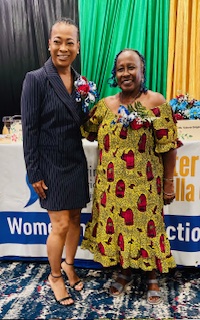
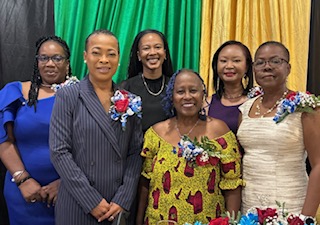
You are all leaders. Thanks to each of you for giving of your time and skills to such worthy causes that help to strengthen and support many women and girls throughout this society.
I am honoured to be here to celebrate the awardees Dr. Christine Fray, recipient of The Grace Allen Young Award and Vice Admiral Antonette Wemyss-Gorman, recipient of The Stella Gregory Award for Excellence. These women, like each of you exemplify leadership.
As I stand here today and look out at you, Louise Bennett’s “Jamaica Oman” poem comes to mind. Allow me to recite the first stanza:
Jamaica oman cunny, sah!
Is how dem jinnal so?
Look how long dem liberated
An de man dem never know!
This stanza speaks volumes, especially if we pay attention to the adjectives, cunny and jinnal, which means shrewd and the ability to outsmart and get over any situation. But this is just a preamble to where I want to begin.
I want to begin by telling you my story.
I was born from between a woman’s thighs.
There is no metaphor more powerful than that. No leadership seminar more profound. No boardroom more sacred.
I was born late on a Saturday night. My mother had just finished ironing. She said she folded the last shirt, and then her water broke. There was no dramatic rush to a private hospital. I was delivered at home by a midwife, my mother’s best friend, a nurse/midwife who worked at Kingston Public Hospital.
My mother was 25.
Young. Brave. Married.
But my father was not home. He was out drinking with his friends.
It is said I came early but the truth is I came because I was ready. My mother was ready and so was the midwife. My safe birth happened because two women co-lead and ushered me into the world.
That is the greatest form of leadership.
There is an old saying:
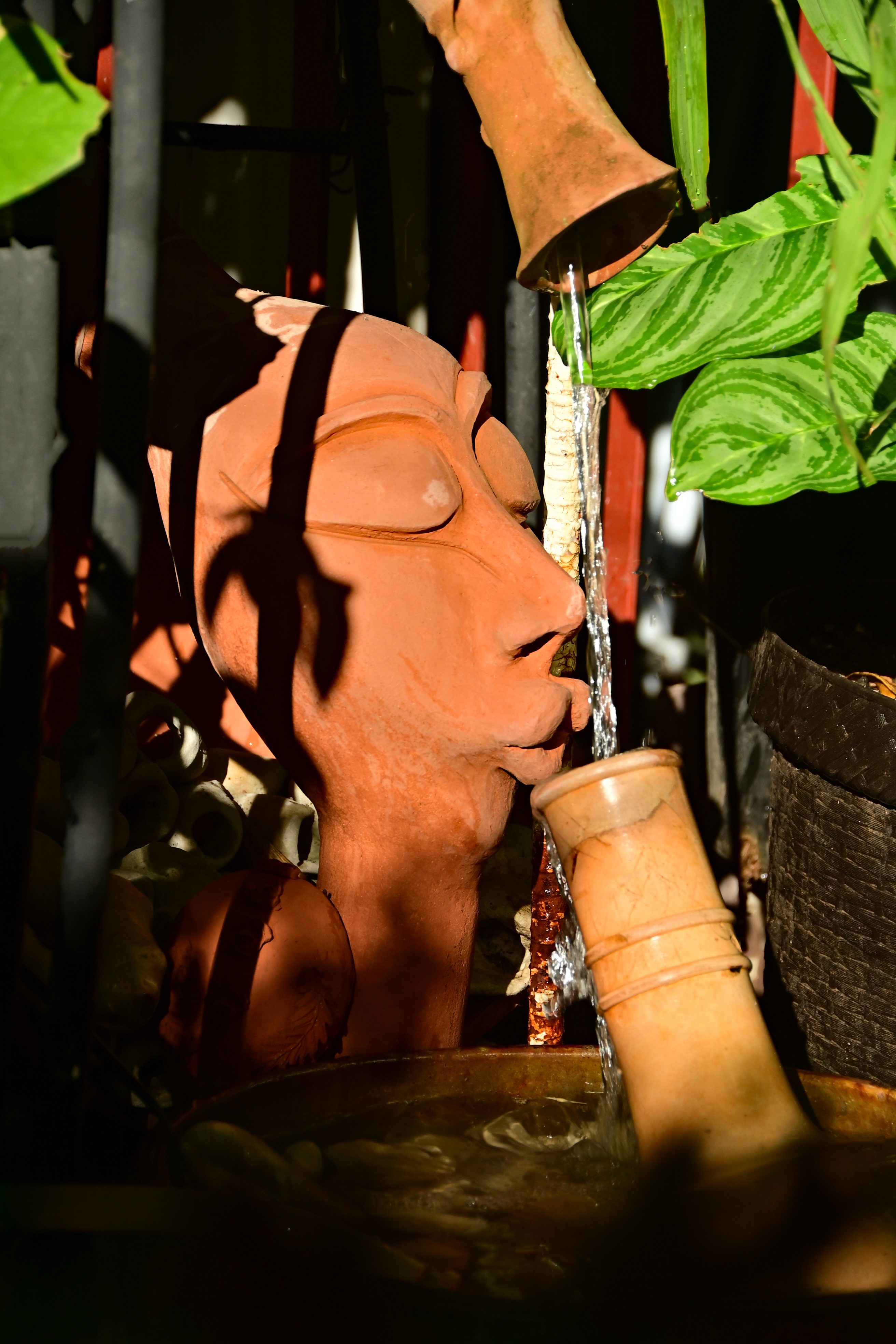
“Water is fluid, soft, and yielding. But water will wear away rock, which is rigid and cannot yield… What is soft is strong.”
My mother was soft.
And she was one of the strongest human beings I have ever known.
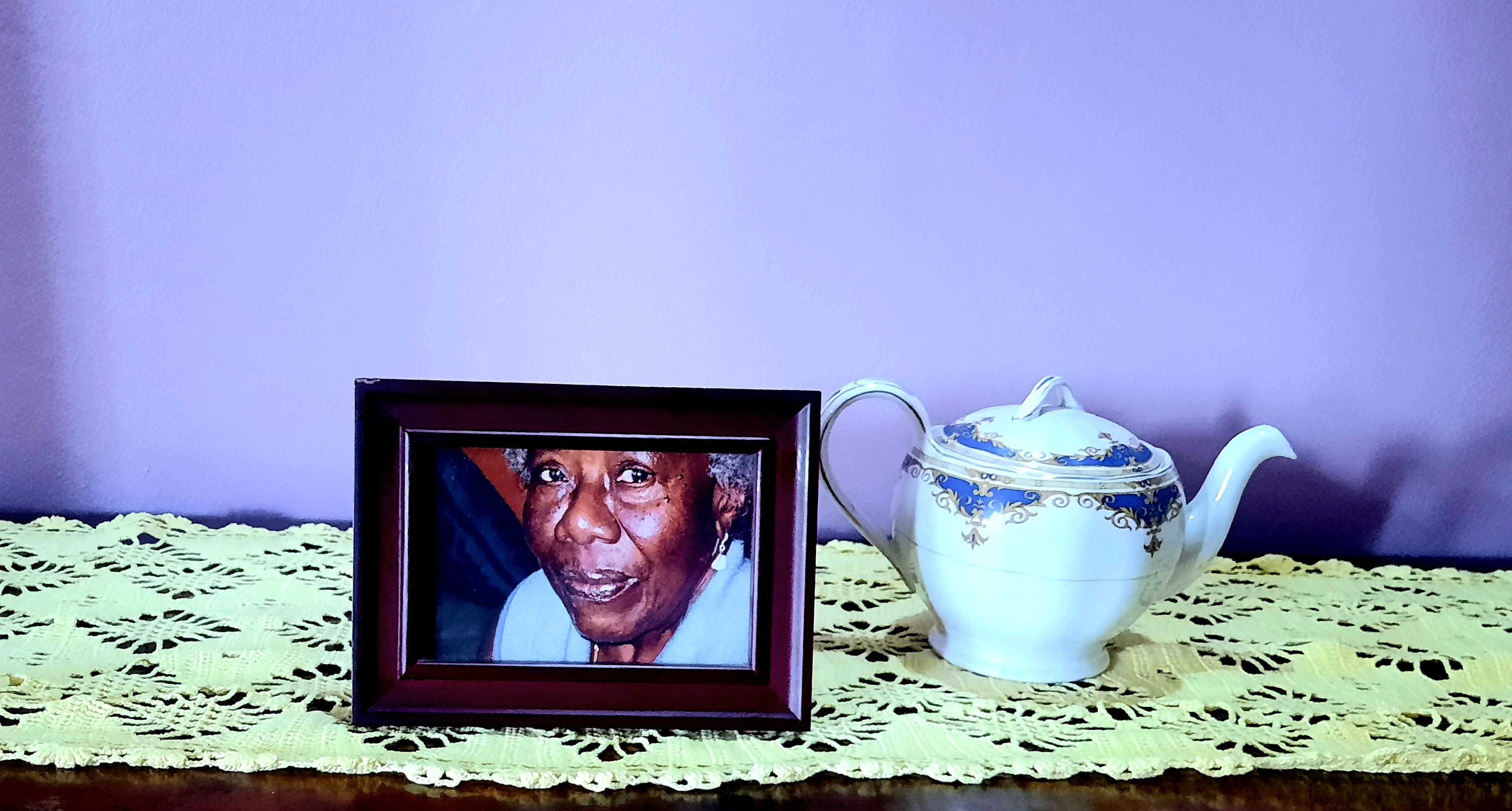
She is the measure by which I understand leadership.
Her name will not be found in history books unless I put it there. But she changed lives. She changed policies in small rooms to make conditions for cane-cutters at Caymanas Estate in the 1960s better. She shifted outcomes in kitchens and clinics, by teaching house wives stuck at home facing abuse, skills that gave them economic freedom. She raised children who whom she infused with social commitment and who would not bow.
So before i go any further, I want to pause.
I want each of you to think of a woman you know, a woman who leads, but whose name may never be printed in gold letters or appear in any history book unless you write it.
Because leadership is often mismeasured.
In the wider world leadership is measure it by titles, or offices or applause.
But leadership is not just position.
Leadership is responsibility.
Leadership is integrity.
Leadership is who shows up when things fall apart, and we know all too often it is us women who show up for our children, for our communities and for each other.
When we speak about leadership, we often list its qualities:
Integrity and honesty which translate into acting ethically to build trust.
Communication and listening which implies truly hearing people.
Empathy and emotional intelligence which is understanding the emotions in a room before speaking, feeling who is present and working to touch those persons.
Then there is accountability, which is often challenging as it means taking ownership of mistakes, owning them and not shying away from saying I was wrong and I apologize.
Without Vision there is no leadership, as a leader must be present abut also able to see beyond today’s crisis to arrive at solutions.
Leaderships is also about Empowerment lifting up others.
Being Resilient which requires bending without breaking.
A leader is Confident and able to Make Decisions that will benefit the majority.
If I placed my mother against that list, she would stand tall. She demonstrated these qualities, but she is not listed in any history books, and more likely neither are any of the women you thought about earlier.
And here is the irony.
Jamaica has the highest proportion of female managers in the world , over 59%, according to the International Labour Organization.
We lead. We show up. We give of our time and energy.
However, globally, women make up only about 5% of CEOs of the largest corporations. In Latin America, that number once hovered below 2%.
So what does that tell us?
That women lead daily, but not always where “power” is most concentrated.
So when women do rise to visible leadership, we applaud them, like we applaud Vice Admiral Antonette Wemyss-Gorman, the first woman to achieve this level of success in what is considered a male-dominated field.

We applaud Portia Simpson-Miller, Jamaica’s first female Prime Minister, for being tallawah.
We remember Sirimavo Bandaranaike, the first female Prime Minister in the world from Sri Lanka.
We recognize Mia Mottley in Barbados, and women across Denmark, Italy, Latvia, and beyond, who have ascended to the highest office in their respective countries.
But I want to ask a crucial question.
Are women leading differently? Vice Admiral, I put you on the spot – are you leading differently?
Are female leaders inheriting the same systems and performing the same scripts as their male predecessors?
I hope not because I do not simply want a woman in power.
I want a woman whose leadership is transformative.
Nurturing.
Inclusive.
Rooted in equity and fairness, rooted in compromise when necessary for the greater good. We have had enough flexing of muscles.
We do not need more wars. We do not need more dissension. We do not need more division.
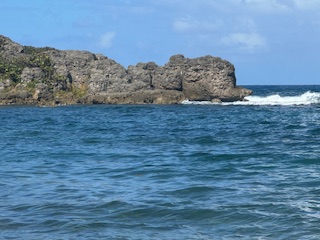
We need leadership that understands soil and sea.
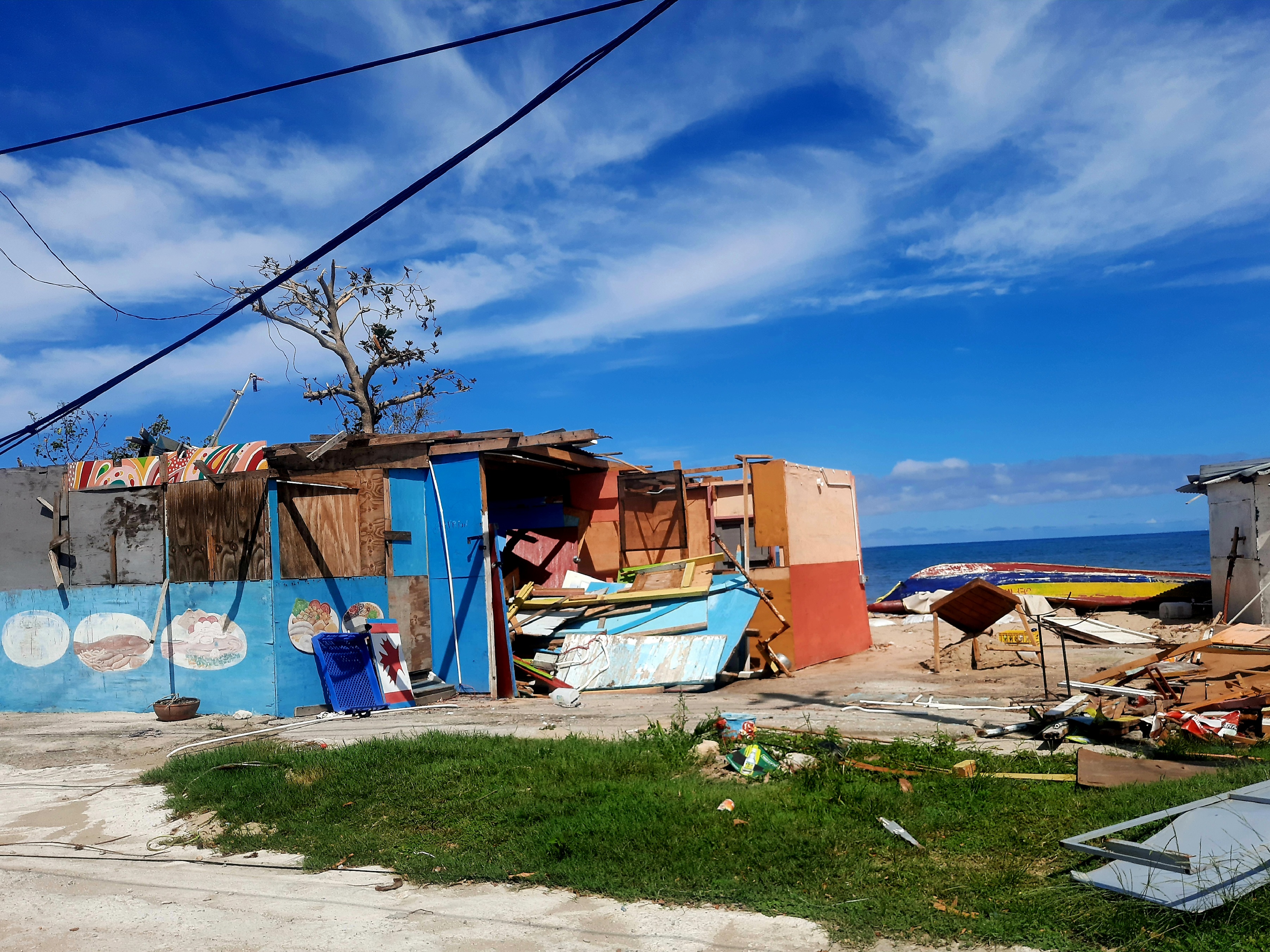
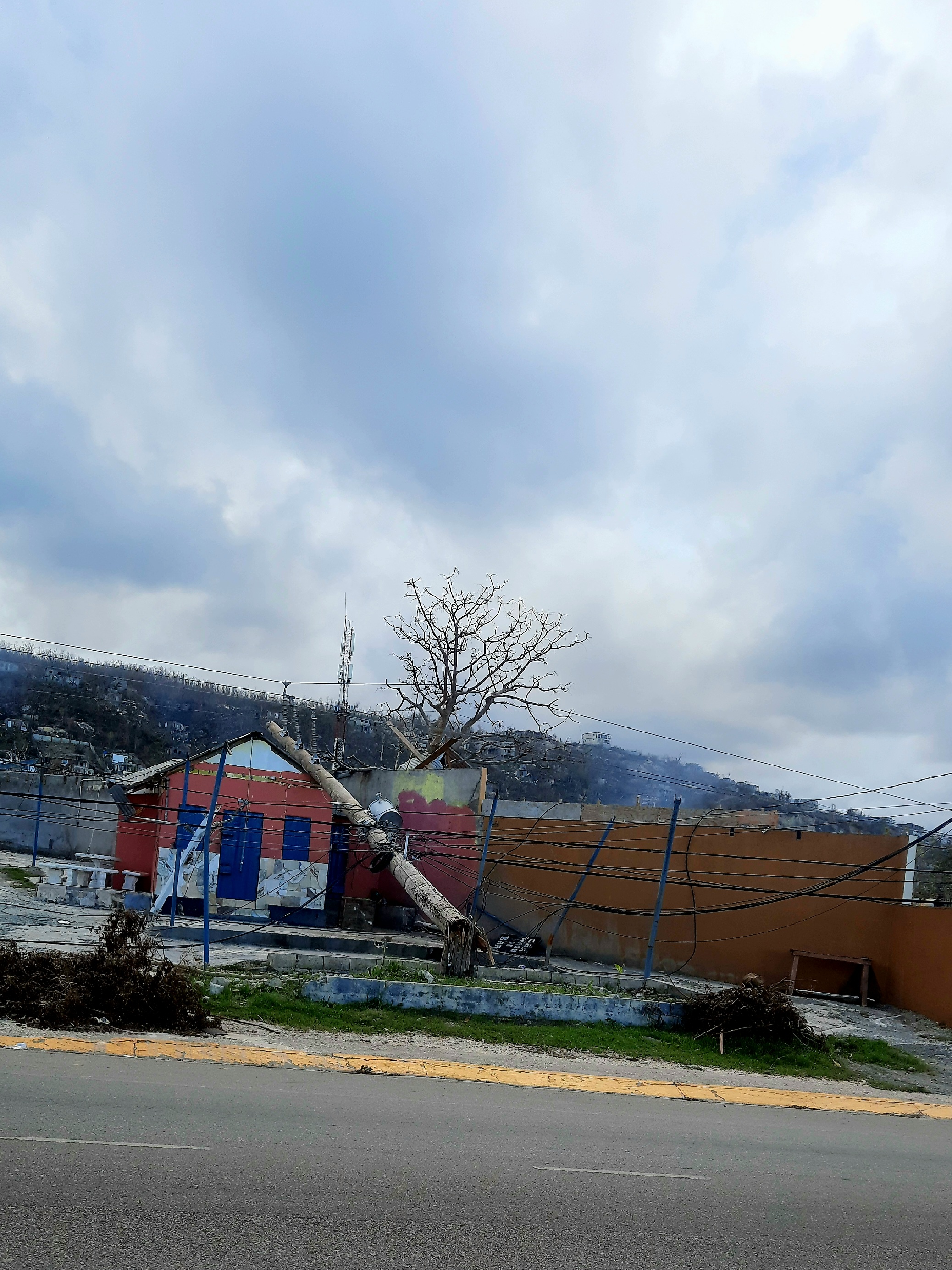
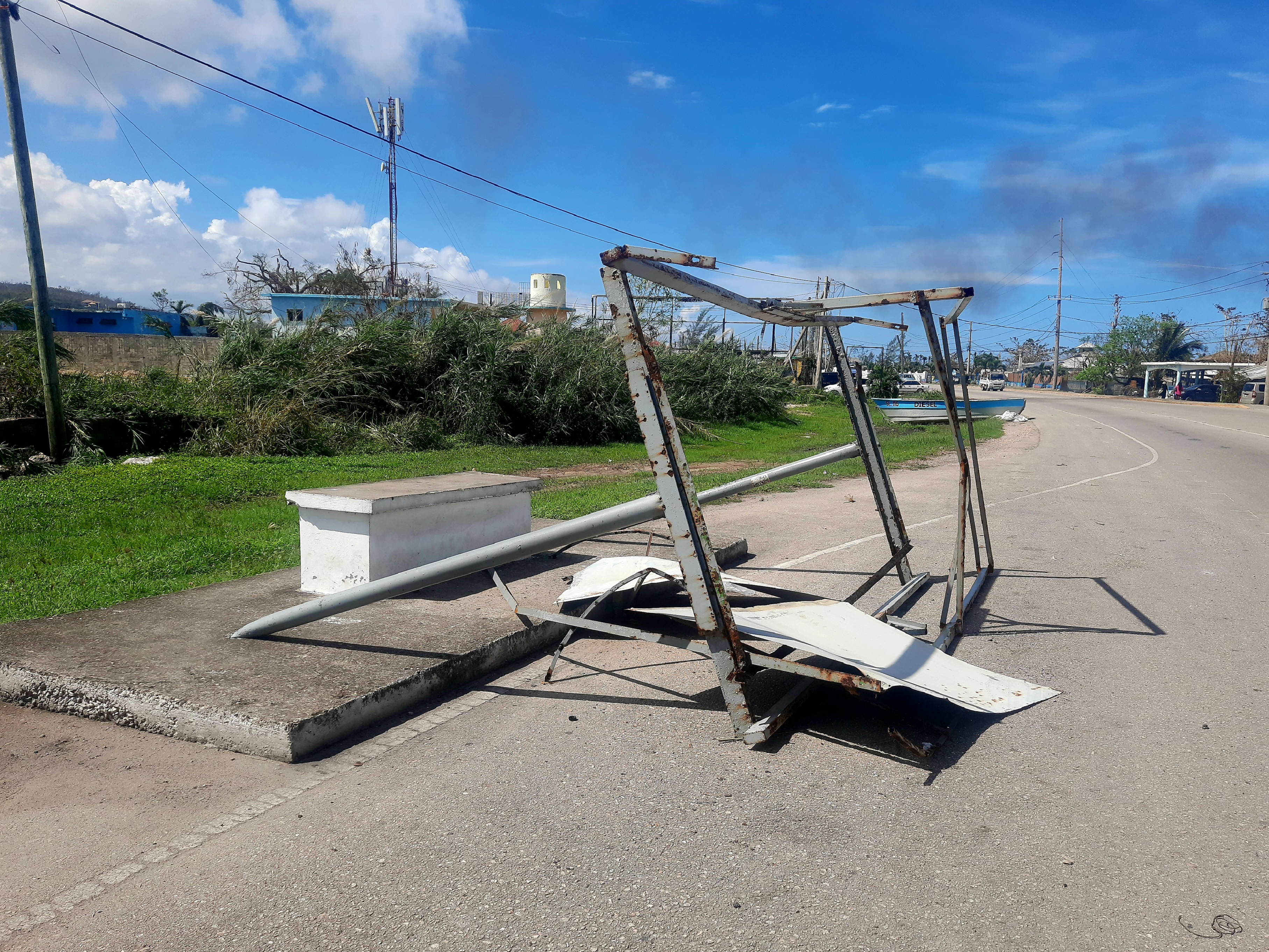
Leadership that understands that Hurricane Melissa was not an accident. It was the result of years of extraction, dumping, neglect. Years of ignoring warning signs.
If we do not pause and take responsibility, we will meet another Melissa by another name.
And so leadership must extend beyond the binary.
It must extend beyond ego.
It must extend beyond short-term gain.
Because I have a grandchild, Quetzilla, that means light feather.
And I want to believe I am helping to create a world worthy of her.
The world will continue to test women, especially women leaders.
And here I hear the voice of Maya Angelou whispering:
“You may encounter many defeats, but you must not be defeated…” The women I saw washing clothes at the river in Hanover a month after Hurricane Melissa, with their children wading and playing in the water ere not defeated.
Although, sometime leadership requires defeat.
It requires failure.
But as Oprah Winfrey reminds us: “Failure is another steppingstone to greatness.”
Here in this room is greatness, each of you, and leadership. And it is because you have failed many times why you are sitting here today celebrating.
The triumph cannot be had without the struggle, says Wilma Rudolph, who became the first American woman to win three gold medals in a single Olympic Game in 1960 after overcoming polio.
She knows. She had to overcome and sometimes look through many struggles to succeed.
Leadership is not pretty.
It is not polished Instagram posts.
It is often sewage systems fixed.
It is roads maintained.
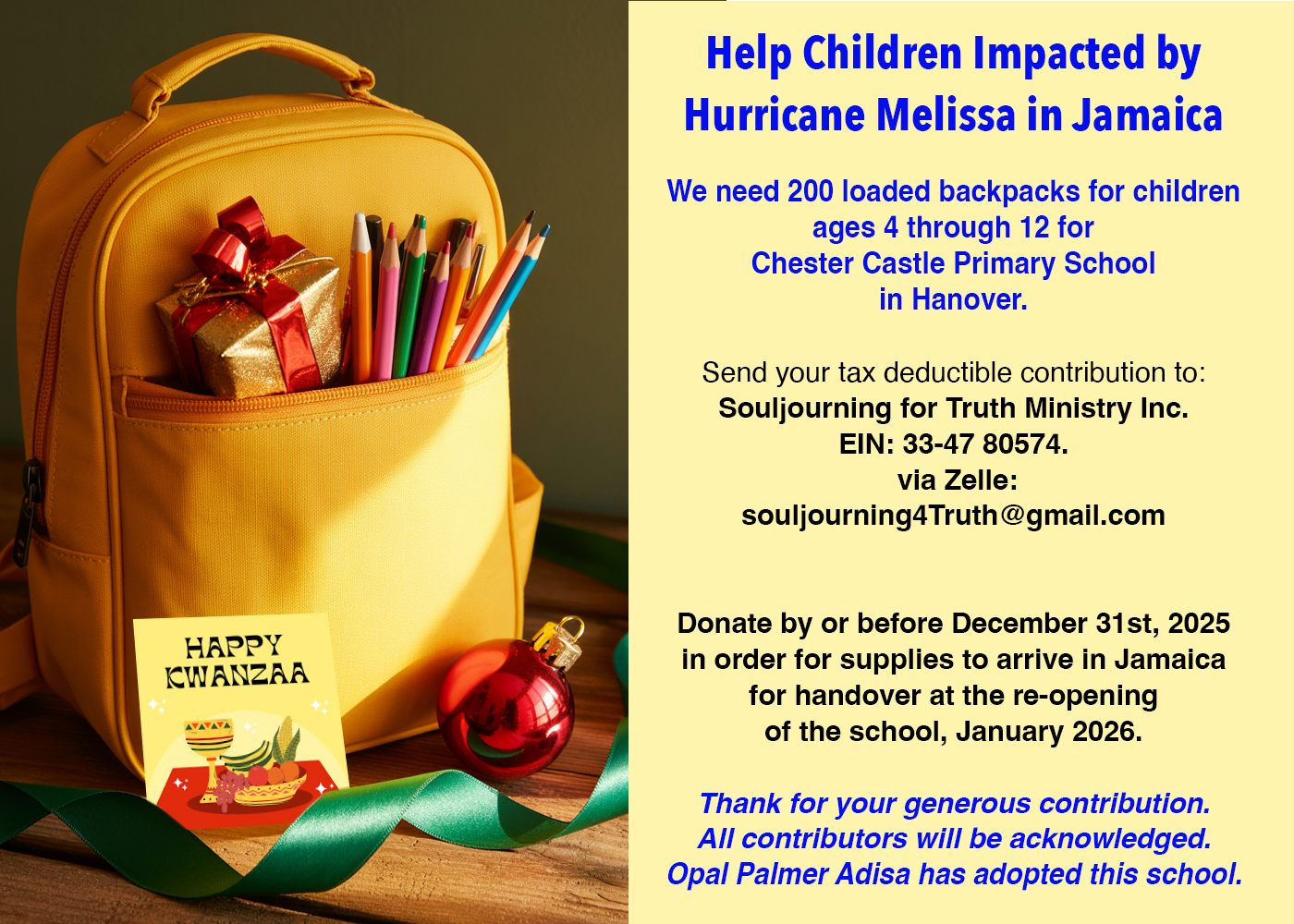
It is children in western Jamaica who still sit in tents months after the hurricane to learn.
Leadership ensure that electricity is restored and clean water is flowing in schools, clinics and hospitals.
It is not looking away when we drive past garbage piled high and pretend not to see.
Where is the leadership that will make this island clean and beautiful , not once a year at Christmastime, but daily?
Where is the leadership that refuses to falter to support its neighbour, Cuba that has always supported us?
And here, I turn to Angela Davis to remind myself:
“I’m no longer accepting the things I cannot change… I’m changing the things I cannot accept.” What are the things you can no longer accept that you will help to change?
That is leadership.
Leadership says: I refuse to normalize dysfunction.
Leadership says: I refuse to accept inequity.
Leadership says: I will not waver.
But here is the truth that may unsettle us. We cannot rely only on leadership from the top.
Leadership must rise from the base.
Each of us is leading directly or indirectly, and others are watching, observing.
How do you lead your family?
How do you lead your friends?
How do you lead your church?
How do you lead your community?
You know, if we are waiting for someone to rescue us, you will be waiting a long time, and it means you have misunderstood power.
Don’t sit down and wait for the opportunities to come. Get up and make them.
That is not just motivational language. That is civic instruction.
And when doubt creeps in, and it will, remember Wilma Rudolph who said:
“‘I can’t’ are two words that have never been in my vocabulary.”
Leadership begins in vocabulary.
It begins in what we permit ourselves to say.
Cicely Tyson once said:
“Challenges make you discover things about yourself that you never really knew.”
And leadership is a series of challenges.
Ella Fitzgerald reminds us:
“Just don’t give up what you’re trying to do. Where there is love and inspiration, I don’t think you can go wrong.”
Love.
Not ego.
Not dominance.
Love.
So today, as we honour women, as we honour a woman leader, I celebrate her.
But I also invite her, and all of us, to examine the kind of leadership we practice and the type of leadership we applaud.
Does it serve the majority?
Does it protect the vulnerable?
Does it understand that we are no better than the soil beneath our feet?
Does it understand that leadership is not about the individual; it is about the community?
My mother understood that.
She did not have a podium.
She did not have a press conference.
But she had integrity.
She had accountability.
She had vision.
She did not falter. She worked hard with others and help to bring about important changes.
That is the standard. By which I live and judge effective, impactful leadership.
So as you leave here today, I do not want you merely applauding women in power.
I want you reflective.
I want you asking:
What kind of leadership do I model?
What kind of leadership do I demand?
What kind of Jamaica do I want my grandchildren to inherit?
Because leadership is not a title.
Leadership is a practice.
Leadership is daily doing.
Leadership is soft and therefore strong. Like water.
And if we are fluid, if we are soft, if we are yielding in wisdom but firm in principle we will wear away what is rigid and unjust.
We will shape this country.
We will shape this world.
And when history looks back, it may not record every name.
But it will record the shift.
And perhaps, somewhere, a young girl will say:
My mother was what leadership ought to be.
And she will rise.
And we will all rise and take our places.
Salute to women leaders!
Asé
Thank you.





 Opal Palmer Adisa