
Issue 7 of Brilliant Flash Fiction is now live online. including your story, The Sea in Her Ear.
All posts by Opal Palmer Adisa
Doing What You Can
 if we each do our part
then the whole
becomes easier
if what you are doing
isn’t meaningful to you
isn’t adding value
to others
then it’s time for you
to revamp
and go where you can rise
and help others to ascend
with you
Doing as you are called
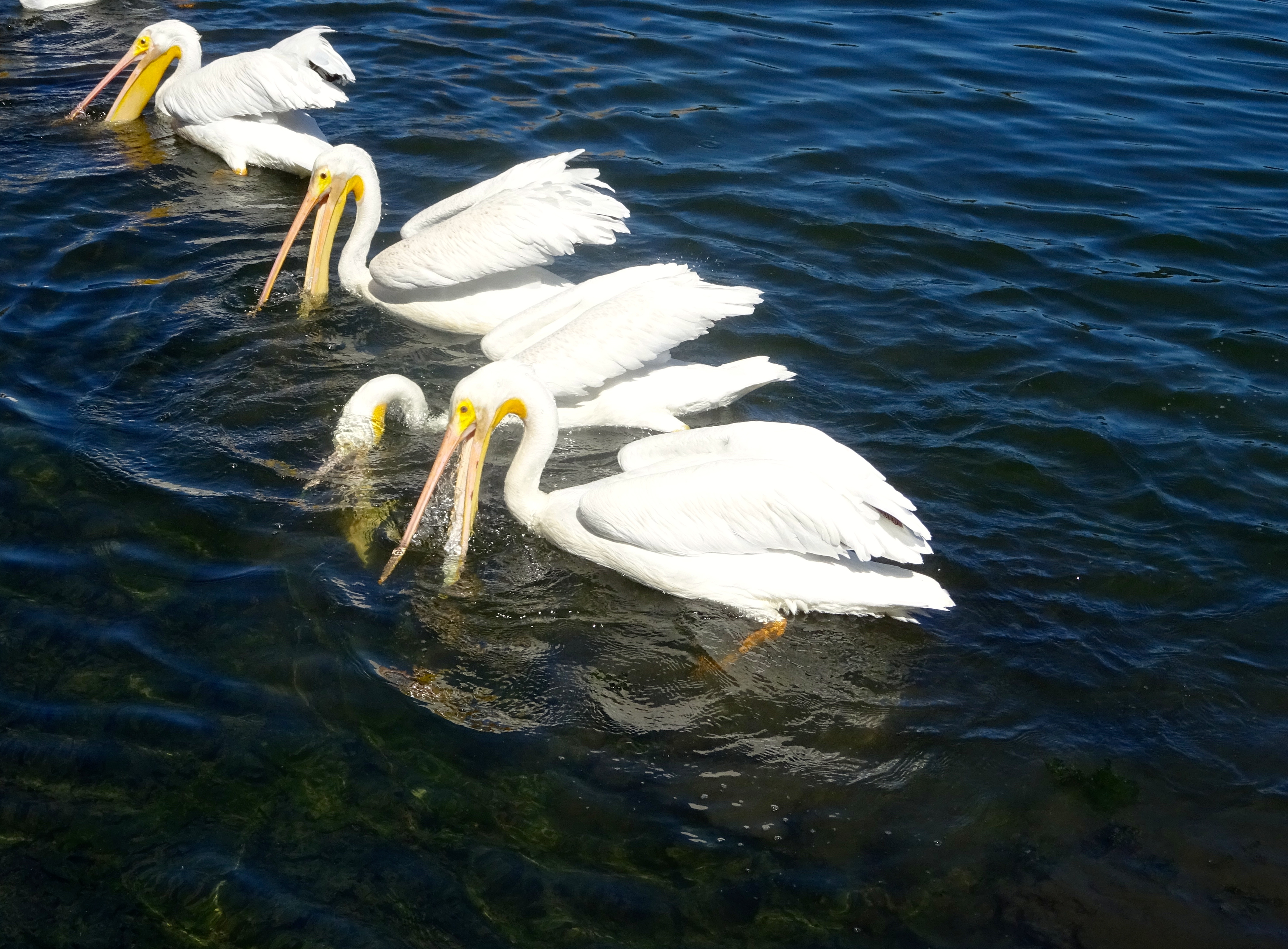
When you listen
truly listen to the universe
you will hear the call
and be guided to do what
serves and enchances your
highest being.
World Unwrapped – Helping Us to See a Beautiful World
Check out the revamped, push forward World Unwrapped and join this team to find and celebrate beauty in the world.
design: http://worldunwrapped.com
Tendai Humbasha Maduwa: Zimbabwean TV and Radio Presenter
 Ready and willing are the characteristics that most aptly describe this young Zimbabwean television and radio personality who is also an aspiring poet. With fine features, and a genuine interest in the welfare of others, Tendai is passionate about his life and his work. As a Life-Coach, he wants to help others become their better selves.
He remembers himself writing and performing from the tender age of seven, but when he was eleven years old, he realized that this was his calling. This awareness came about in his primary school, when his Headmaster recognized his talent. During the School’s Prize Giving Ceremony, Tendai staged a theatrical show, which captured the audience. Ben Sibenke, a prominent Zimbabwean actor, author, teacher, was then the Headmaster, who observed Tendai’s talent, and decided to nurture and mentor him.
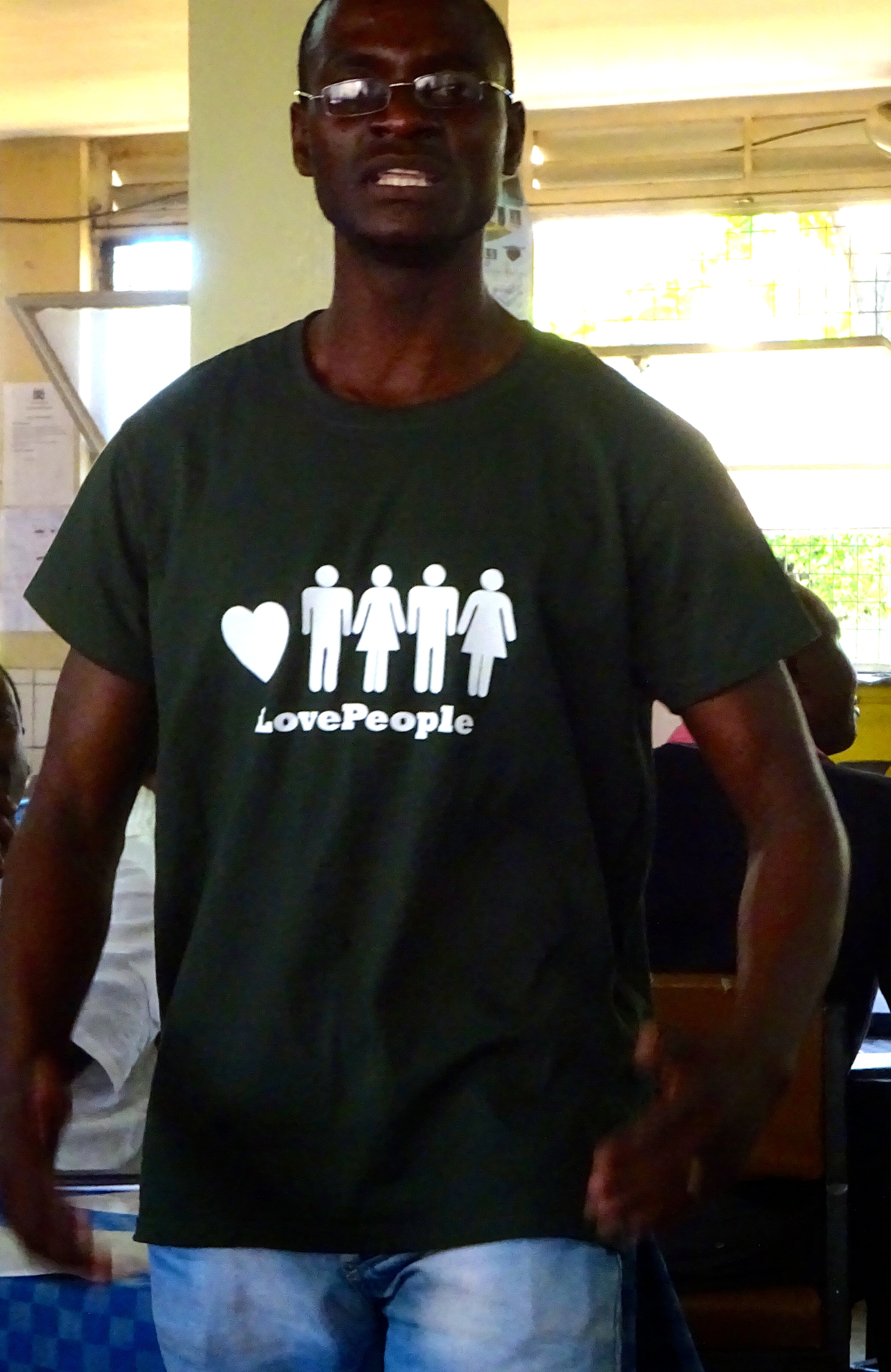 “I have been performing since the age of eleven on the professional scene, and I continue today,” Tendai announces. He has performed in India, the Netherlands, Germany, South Africa, Kenya, Uganda, Swaziland, Malaysia, Thailand, Zambia, Tanzania, and of course, throughout his native home, Zimbabwe. He loves sharing his work and seeks to inspire people with his motivational messages.
Tendai, who was one of the featured poets of the 2014 Kistrech Poetry Festival, attended and participated in this year’s festivities, primarily to give support as a result of the positive experience from the previous year. From this event he says, “I learned that poetry is beyond words and performances. When we went to the villages, I learned much about poetry, and how much it should be appreciated in our daily routines.”
Despite, or perhaps because of this belief that poetry should be incorporated into our daily life, Tendai is very clear that poetry “is a profession just like other professions,” and therefore he states, “Don’t expect me or any other artist/poet to offer it to you for free.”
His ditty below conveys his feeling about poetry, so titled.
Poetry
Poetry is a song
Sung with riddles of language
A combination of proverbs and sweet rhythms
Intertwined with voices that echo on stage
Poetry is freedom of expression
The liberty to act and perform bilingual aspirations
Frequent movement on stage
The true voice that portrays humanity
Poetry is the air that I breathe
It is language that I speak
The emotions that I express
It is the thoughts that I expose
Poetry is self-perception
It is a wife I have married
The person I’m ready to share with others
It is an adopted child that needs to be looked after
Poetry is the force of manipulation
In my mind but a force that others listen to and buy
It is a short song,
A soft yet to be sung musical lyric
Copyright © 2014 
Intuition – Your Guide
 Your inner wisdom
knows always
when you’ve reached
the turning point
and guides you to detour
before you
walk off the cliff
confirming what you
already know
you’ve been this way
too many times
just accept
enough is enough
try something else
sit quietly
release
which ever crossroads
you find yourself
turn within
dig deep
and yield to
your third eye
your knowing self
your intuition
similar
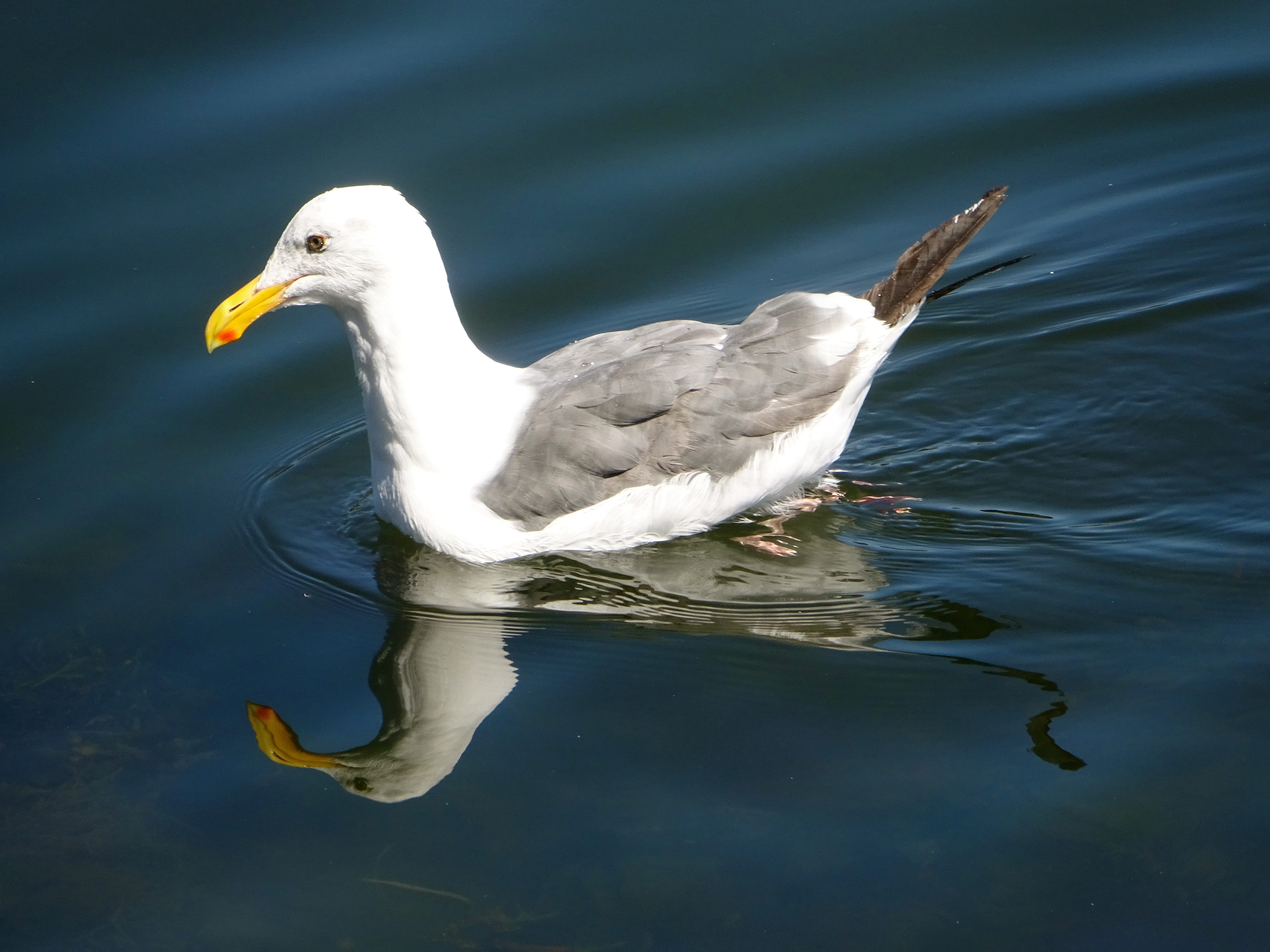
 to the pelican
who submerges its head
spreads its beak
and secures food
you too will unfold
a new path
for tomorrow
An Interview with Godspower Oboido: One of Nigeria’s Emerging Poets
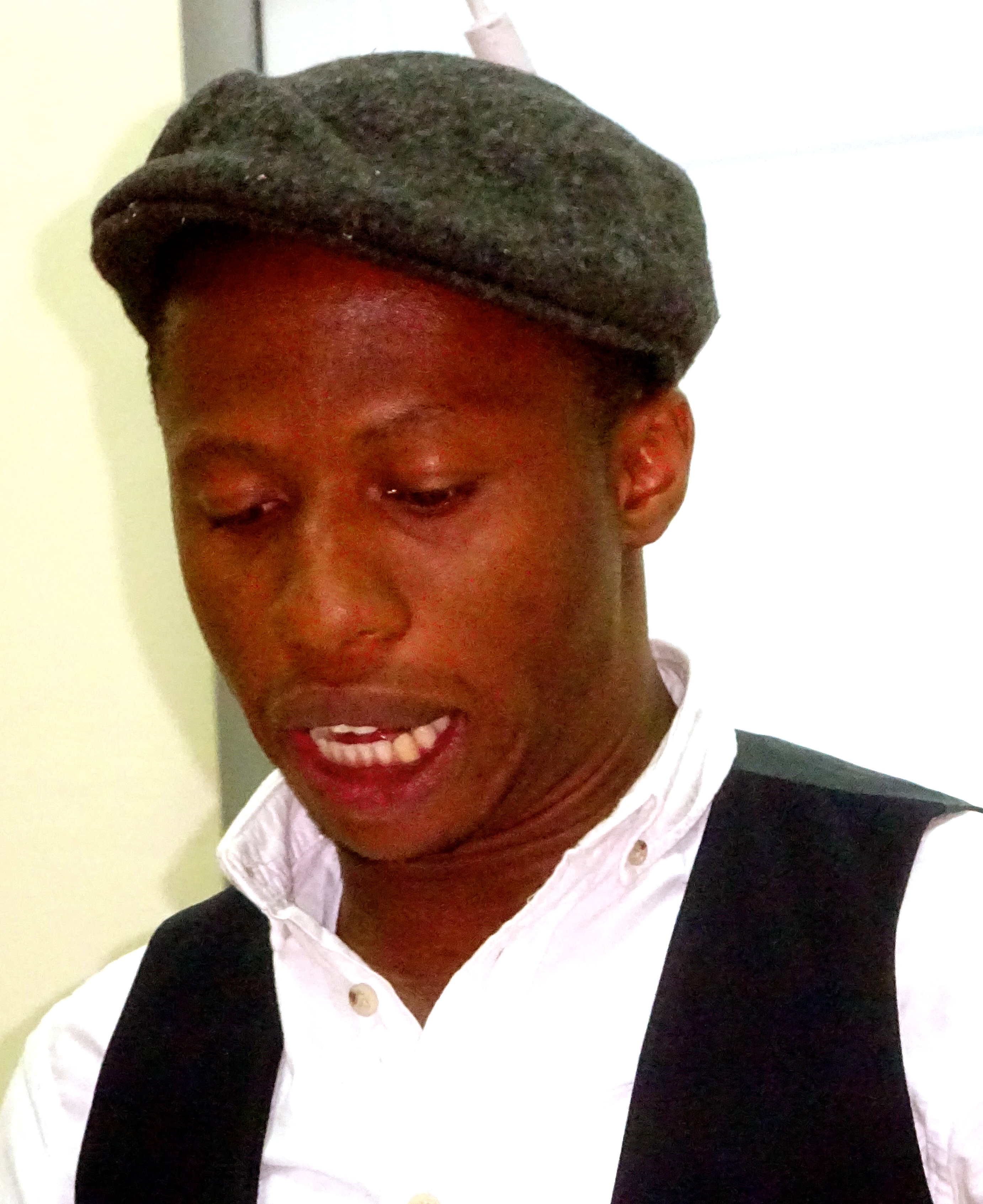
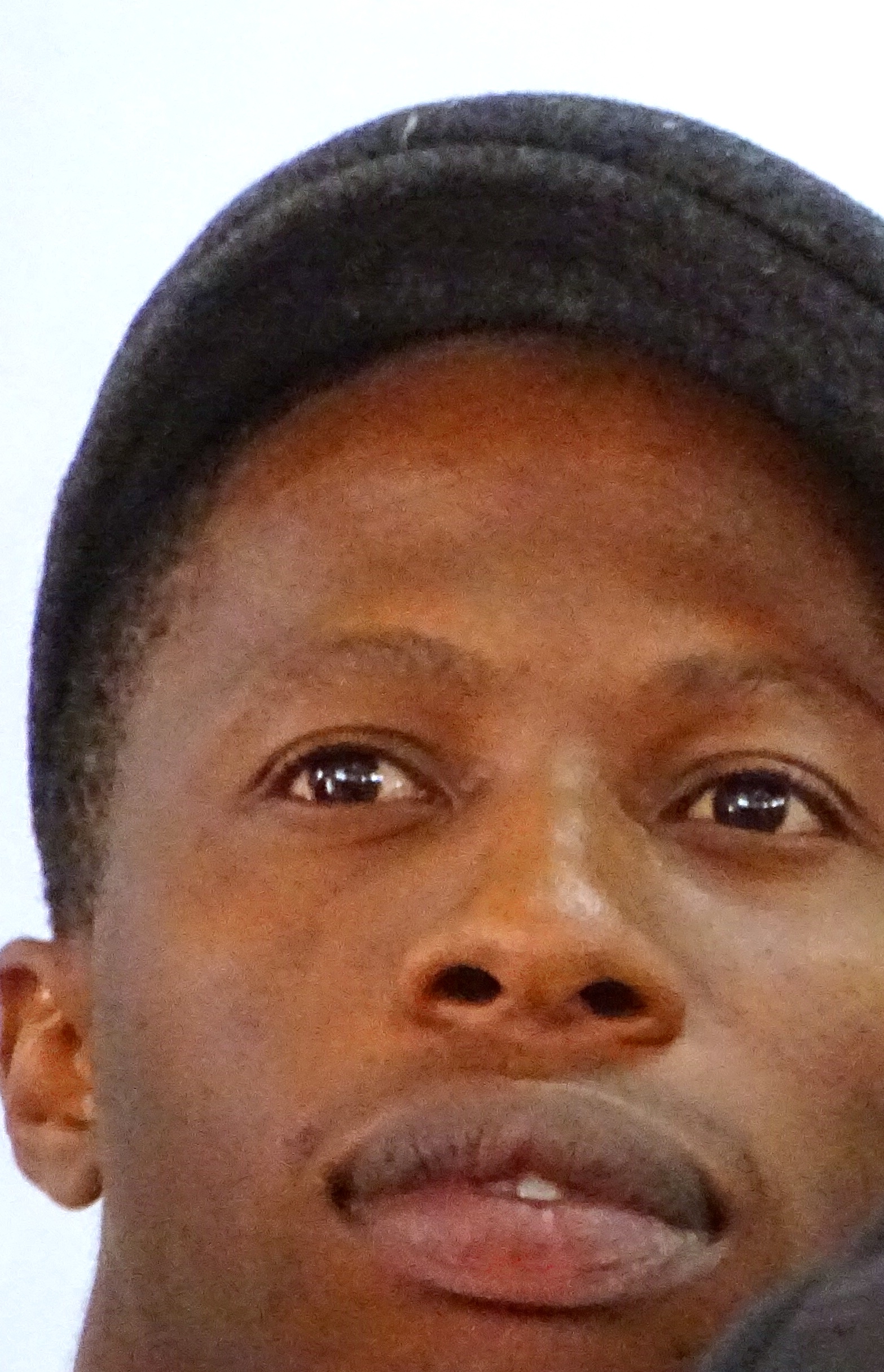 With a name such ad Godspower, how can he go wrong? Perhaps his parents were prophetic, the moment he arrived, they saw that he would wield words, an irrepressible power; or perhaps they hoped that he would harness his inner powers to create a better, more egalitarian world, whatever the sentiment, this is clear, Godspower Oboido’s name is a harbinger of his talent as a wordsmith.
OPA: How long have you been writing poetry and how did you come to poetry?
GO: I’ve always wanted to do poetry. The first poems I wrote were in 2005–which interestingly got published in a Journal in the States but I am not saying which journal it is as I do not think those were successful poems –the type you no longer want people to see.
I used to make a living from working as a painter. Visual art was everything to me and everyone wanted me to study Fine Arts in College but I knew somewhere that I wanted to paint with words. I wanted to marry poetry and painting –so that is why as a poet today, I am more concerned with imagery than anything else really. I want to see and live in the poems that I read, or write. Let it have feelings, frown if it likes.
OPA: As a poet what do you want to share with your audience?
GO: As a poet I quite like to hide behind my poems. But I guess these days I am not so much about writing for meaning but writing about significant experiences in my life –giving my audience the opportunity to share in them. That was what Christopher Okigbo did too. Again writing about your own experience is also writing about other people’s experiences too, or being their voice in a way.
OPA: Nigeria has an impressive body of Writers and poets, what do you think account for that? And who is your favorite Nigerian writer?
GO: Yes that is true. It is very inspiring, if not daunting, to come from a country of literary heavyweights. We have a great storytelling heritage. Everyone is a storyteller –your grandma, teachers and peers –I remember growing up in Benin City, the children in the neighborhood would collect ourselves together to tell folk tales of the tortoise, ancestors and everything else. It was a tradition passed down through many generations. Then the early postcolonial writers from Nigeria did a lot to establish our literature on a global level. I am talking of the era of Christopher Okigbo, John Pepper Clarke, Chinua Achebe, and Nobel Prize for literature winner, Wole Soyinka. They were all friends –how cool is that? We draw a lot of inspiration from that generation.
My favorite Nigerian poet is easily Christopher Okigbo who is today widely acknowledged as by far the most outstanding postcolonial, Anglophone, African, modernist poet of the 20th century. There is a chapter devoted to his works in the British Open University textbook, Aestheticism and Modernism: Debating Twentieth Century Literature (Gupta Danson Brown and Suman Gupta, 2005), David Richards (2005) that placed Okigbo side by side with T. S. Eliot, Ezra Pound, Anton Chekhov, Katherine Mansfield, Lewis Grassic Gibbon, Bertolt Brecht, and Virginia Woolf, among the pillars of twentieth-century modernism. I also like Niyi Osundare who was one time my favorite and modern poets like Afam Akeh, Amatoritsero Ede and a few others.
For prose fiction though, it is surely Ben Okri, the Man Booker Prize winning novelist. But in my opinion the most complete and accomplished Nigerian writer of all time is surely Wole Soyinka. His face is the most common of all the writers and it is not because of his iconic hair.

OPA: Have you performed widely? At any other festivals besides Kistrech, and if so where?
GO: I haven’t performed widely, but I have done a handful of poetry readings around the place. The first time I read my poems in Public was in England at a really nice Theatre in Hastings called The Stables Theatre. That was such an experience with a handful of talented poets. I remember thinking to myself, “wait people are actually paying money to come hear my poetry?” Peter Harvey, a distinguished theatre director and poet, who put the event together gave me encouraging feedback and would later edit my first volume of poetry, as well as write the foreword. After that, I did several weekly readings in Norfolk, to small audiences, and that was pretty cool too.
OPA: What did you take away from the festival in Kenya?
GO: It is the joy of sharing poetry that is so little valued around the world today. It was very refreshing to be with other international poets and to share in their passion for poetry, which is power. Poets like you, Dr. Opal, and Dr. Patricia Jabbeh Wesley provided inspiration and encouragement. That is something.”
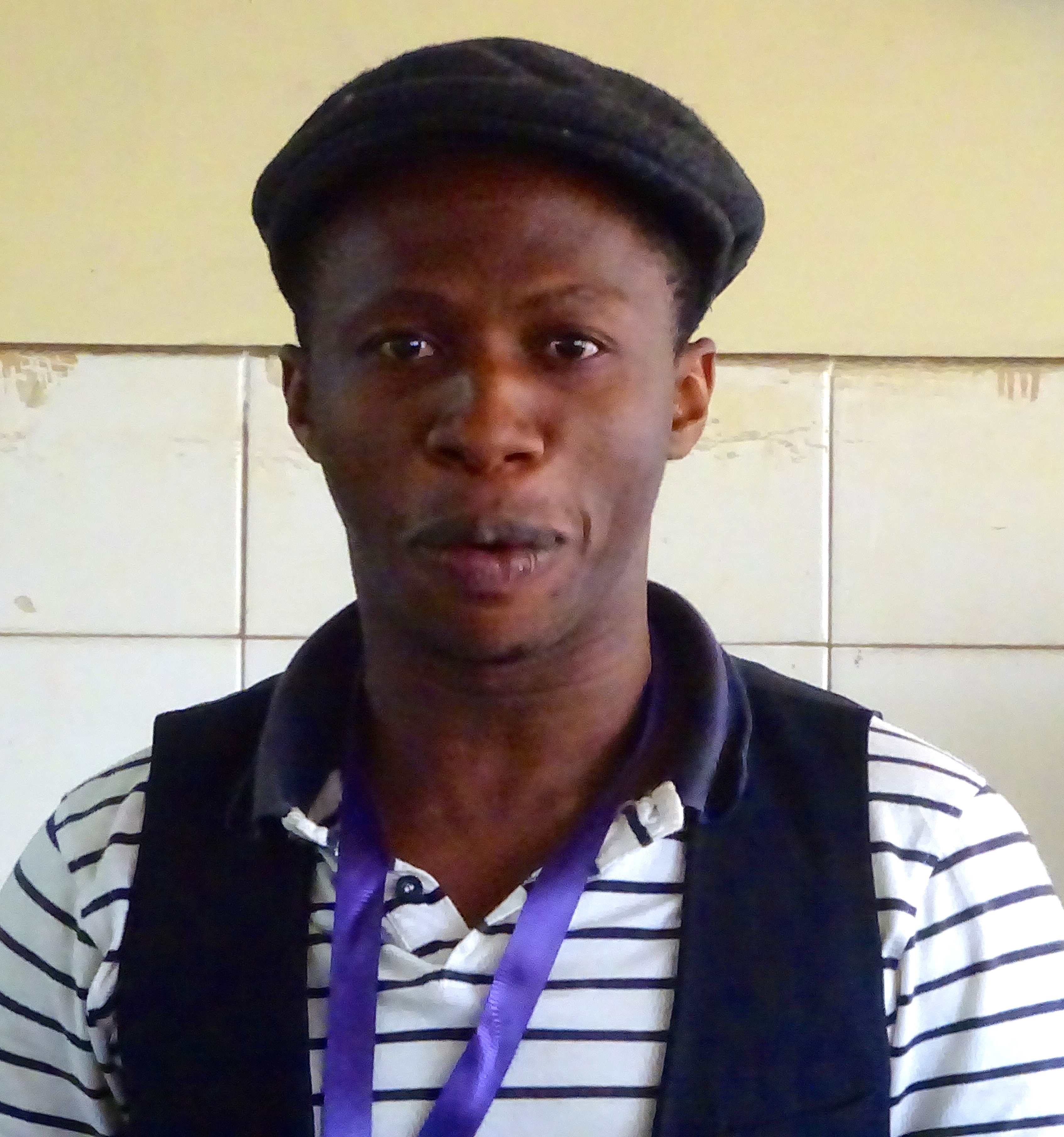
With a compelling laugh that is full and satisfying, Godspower is thoughtful, a keen listener and a quiet observer. His maneuver of language, evident in his poem, “The Drum’s Lament,” is that of a practiced dancer lost in the exuberance of the beat.
THE DRUM’S LAMENT
For Christopher Okigbo (1930 -1967)
Cowhide cry of white light summons
The spirit of the sojourner,
Sole listener to the drum’s dirge.
A raging tide approaching,
A gathering war,
A gathering fear.
“The child in me trembles before the high shelf
On the wall,
The man in me shrinks before the narrow neck of
A calabash;”
The trembling gong loses its throat to the drum
The drum loses its beats, tonalities that prophesy war
To gunshots that know too well the ethnicity of skin.
The curtain falls on tremulous eye that loses its dream
The dream loses its dawn, the dawn its hope of a rising sun.
An anthology dies ambushed at a junction, open-paged.
Open let it be till the funeral night of posterity.
Contact details: kingpowerunited@yahoo.com
Have You Had Your Mammogram?
You are led into a small room by a stranger.
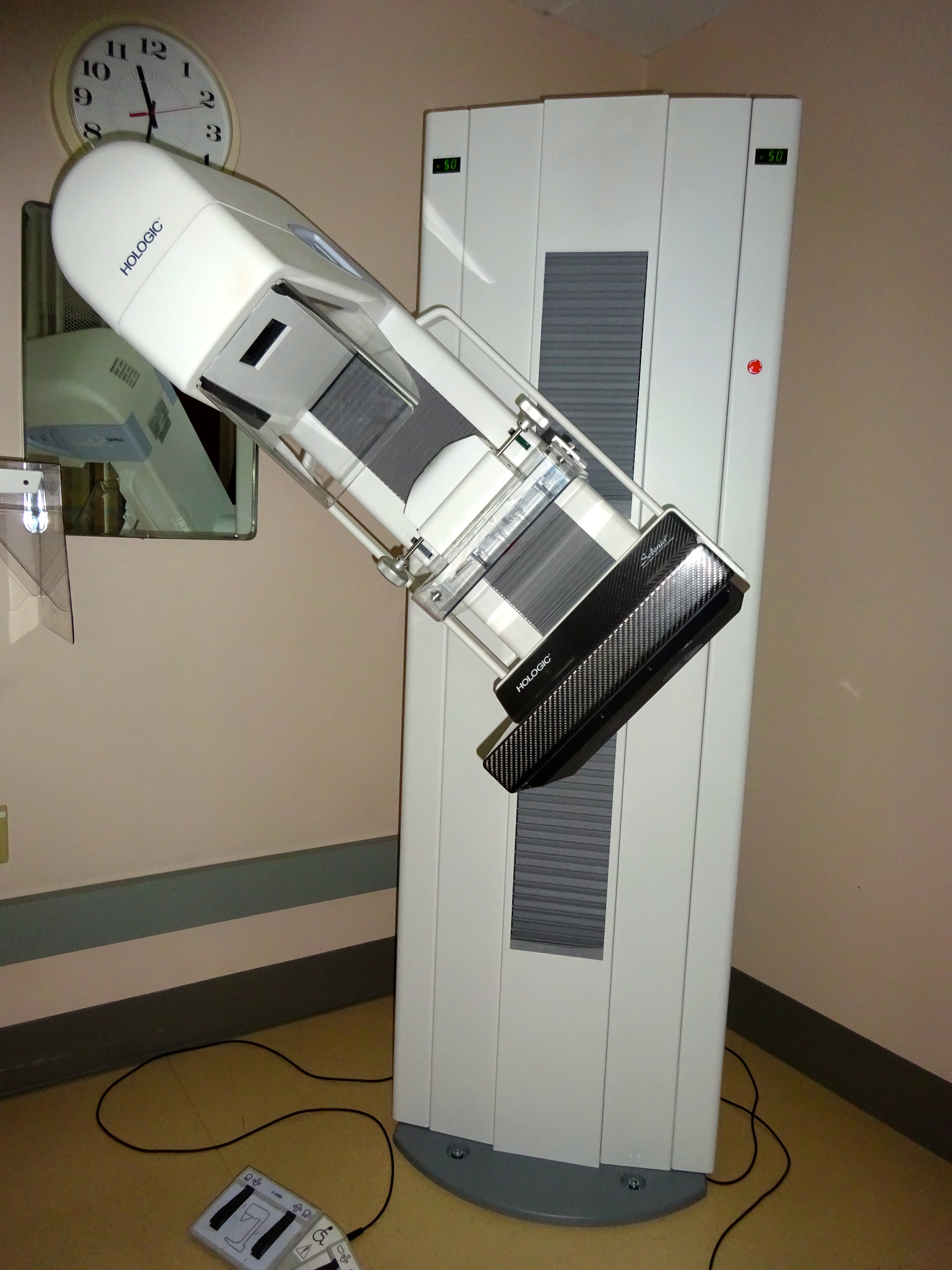 There is a large machine inside.
The woman hands you a paper top and says,
“Take everything off from waist up, make sure the opening in the front.”
This is a hospital so you do as you are told without asking why
or what is about to happen?
You think you know as you are scheduled for a mammogram.
You were told not to wear perfume or deodorant.
The woman steps out the room and you undress and put on the paper blouse as instructed.
The woman knocks before reentering the room and directs you to move in front of the machine.
She guides your body so you are slightly angled facing the machine.
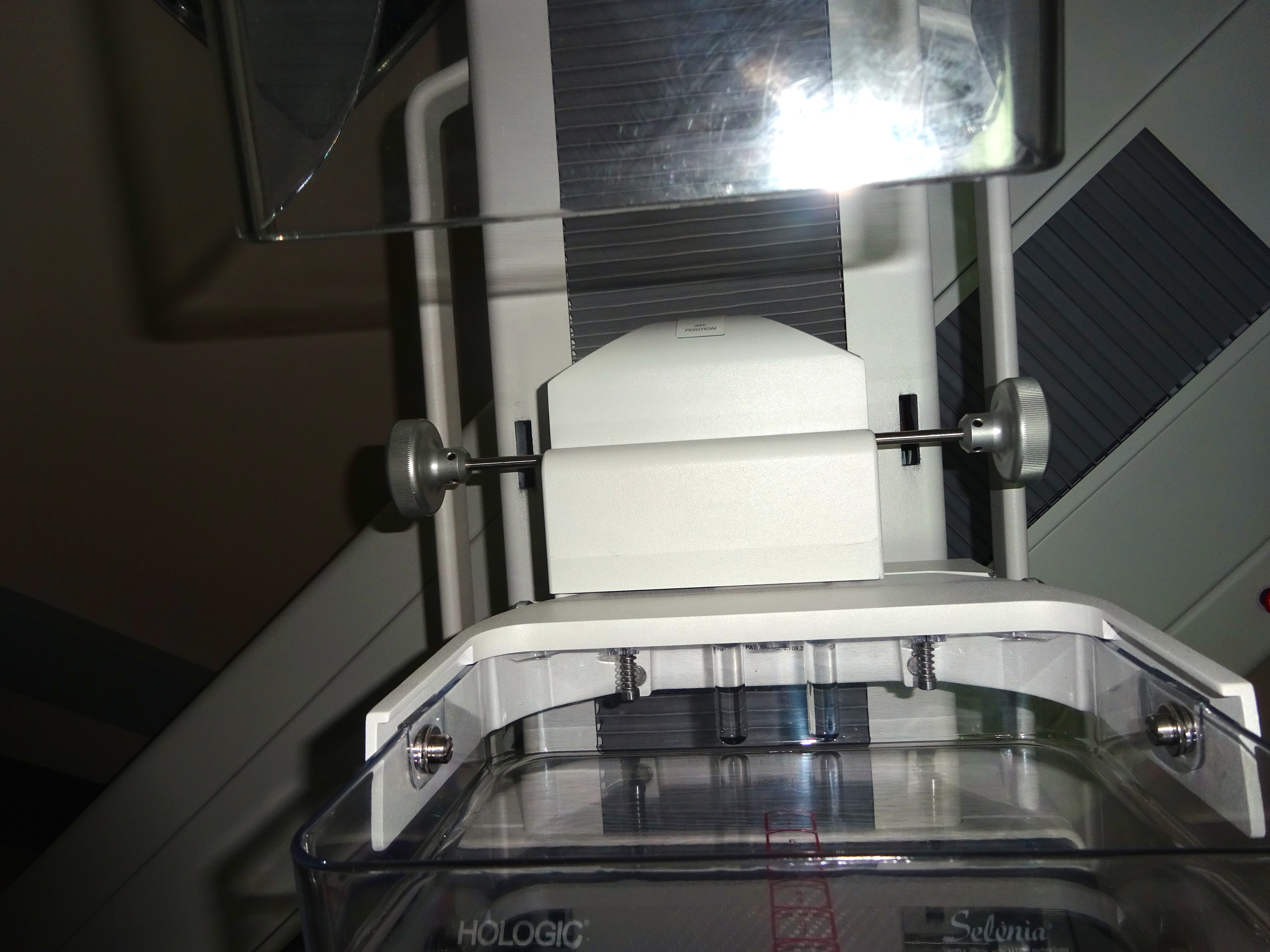
She then opens your top and takes one breast into her hand and pulls and places it on the cold metal top of the machine, like you would a book to xeroz a page.
Although you want to ask and be assured that she wiped and sterilized the area after the last woman, you don’t.
I mean really, a stranger is pulling your breast like it is a piece of meat she is getting ready to marinate.
She presses your breast down on the machine, then release a plastic lever on top of your breast and squeezes, clamp like.
You are hurting. You want to scream at her that this is uncomfortable and painful. But you are a woman and everything
to do with checking for your health is uncomfortable and painful.(Coming next a Pap Smear)
She steps around you and says, “Hold your breath. Don’t breathe and don’t move.”
Through clenched teeth you want to say, you must be kidding, but you don’t.

This is torture and you want it to be over. You are not even thinking now about lumps. You fear this procedure could really hurt you.
So you hold your breath, and hope this ends quickly, and hope the woman gets it right and don’t have to repeat the procedure.
“You can breathe now, “ the woman says.
You let out your breath, and prepare for the next breast to be photographed.
 But the woman isn’t done with the first breast.
She comes back around, turns you to the side, pulls your arms over the metal box, and tells you to hold your hand firmly there. The rectangular metal is digging into your underarm, scraping you. She then comes and grasps your breast again, pulling it more, placing it again on the slab, and acts as if she can flatten it.
You want to say to her, this is a breast, remember, it doesn’t flatten out like a pancake.
Hello you scream inside. These are breasts, like your breasts. They hurt. This is more than uncomfortable.
She acknowledges, “I know this is uncomfortable, but I need you to stand still and not move.” She moves away and commands, “Hold your breath and don’t move.”
If I were to move the machine would rip off my breast, you want to cry, but you are brave, and you want this to be over as soon as possible so you suck it in, hold your breath and keep holding it until the buzz of the machine stops and she says,
“You can breathe now.”
You want to collapse, you want to be comforted, but there is still the other breast that must be subjected to this abuse for its ultimate good.
So the same above procedure takes places.
Finally! It’s over.
The woman checks the x-rays to make sure they are good.
“They are good,” she says. “You can get dressed. Your doctor will contact you about the results.”
“Thank you, “ you say, minding your manners. And you mean it as the ordeal is over.
You pray that once again your breasts are healthy and you won’t have to suffer this exam until next year.
You are dressed.
You take a hard look at the sturdy, masculine machine. Tall, cold, impersonal.
You don’t know Patrick Panetta and Jack Wennet, who invented this machine in 1984 or before and were approved in 1986.
You know mammogram testing has saved the lives of many women as a result of early detection, so you thank them. You are truly grateful.
Three of your maternal great grand aunts (between the ages of 70-85) all died from breast cancer in rural Jamaica. None of them, had a mammogram before being diagnosed
But you wonder, where are the women inventors to upgrade this machine and design a more breast friendly device?
It is way past time that women physicians and designers make testing easier so when my daughters reach the age when testing is required for them they will not be subjected to such a fate.
But even more importantly, let’s work to eliminate breast and all other types of cancers for good.
Standing in the Truth
 You know you are blessed
when
after a physical and emotional
truamatic experience
your body rocks with tears
you have the urge and
follow through calling
love ones and telling
them how much
they are loved
what they mean to you
being apart of your life
you know you’re
on the path
to healing and forgiveness
when on your way
to the doctor
or work
or walking to clear your head
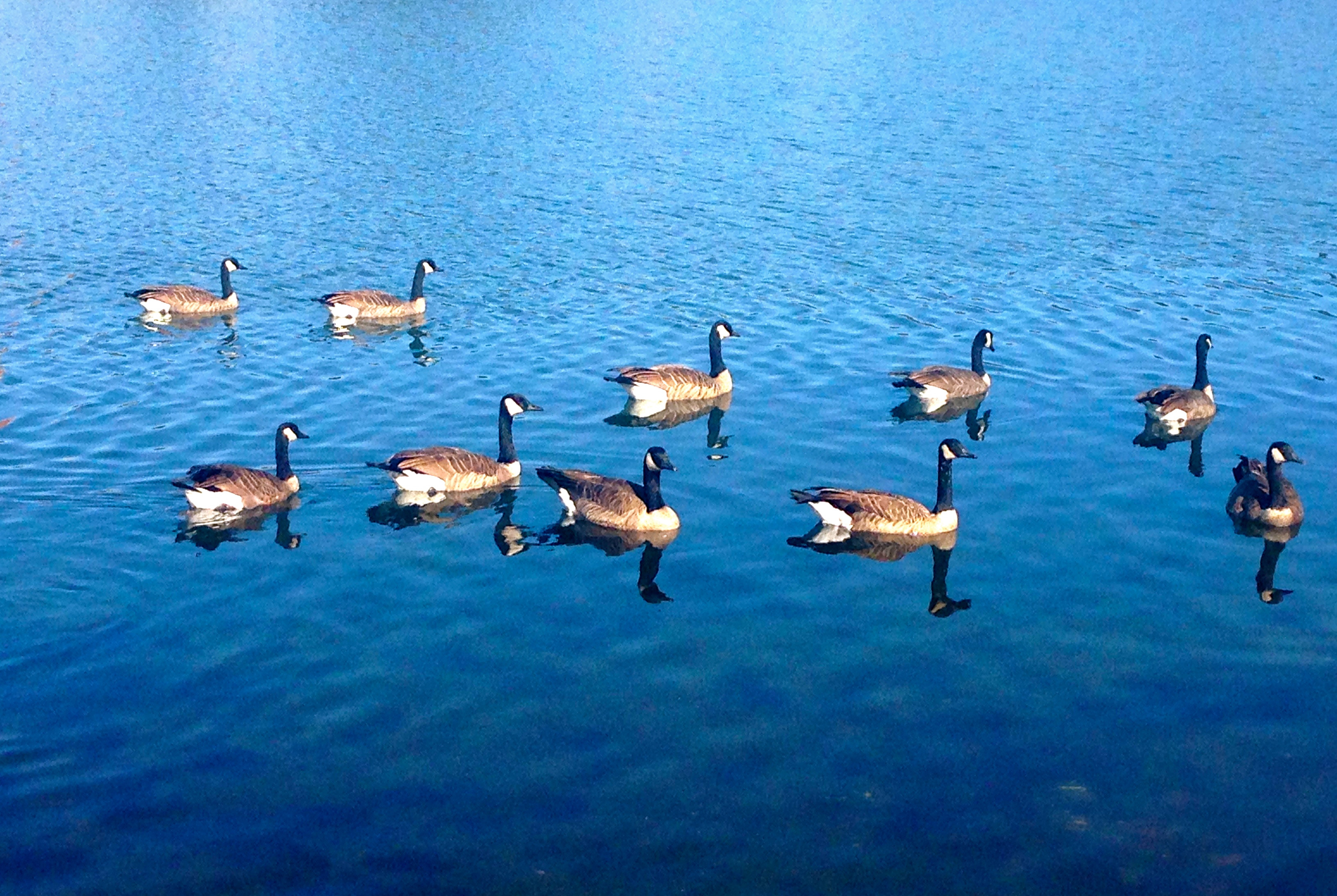
you spot the ducks
and pause to marvel
and acknowledge
their simple beauty
and formation
in that moment
with every thing
that comprises your being
you know
yes you know
the world is alright
you are alright
harmony and peace
are everywhere
we just have to decide
to see and embrace it
and really that’s our job
to be the peace
we want for ourselves
and the world
CARIBBEAN YOUTH THE NEW GOLFERS: NO LONGER JUST A “GENTLEMAN’S” GAME
 You missed the opportunity to cheer these dedicated youth golfers from nine Caribbean islands this summer when The Virgin Islands Golf Federation hosted the Caribbean Golf Association Junior Championships at Carambola Golf & country club, where five of VI’s own team members competed.
Under the guidance of coach, Cletis Clendinen, and team manager, LaVerne Slack, golfers, Keshawn Peets, Cosmo Williams, Annamarie Morales, LaVonte’ Blyden, Ricky James and Beresford “BJ” Lynch, three from St Thomas and two from St Croix, demonstrated proficiency and determination. Their love and commitment to the game was evident for the three-day tournament, held July 7-9.


This was St Croix’s second time hosting the Caribbean Golf Association Junior Championships, with participants from the Bahamas, Barbados, Cayman Islands, Dominican Republic, Jamaica, Puerto Rico, Trinidad and Tobago and the US Virgin Islands.
Cosmo Williams was once again the Tournament Director, assisted by Nevins Phillips, Golf Director and President of the Association, based in St Thomas. Williams says he was in charge of only the golfing aspect of the tournament, but he knows from previous experience the tremendous logistic required to host/house ten teams, with players, coaches and parents and even some siblings, and provide transportation, food as well as to pool volunteers to transport golfers on the course.
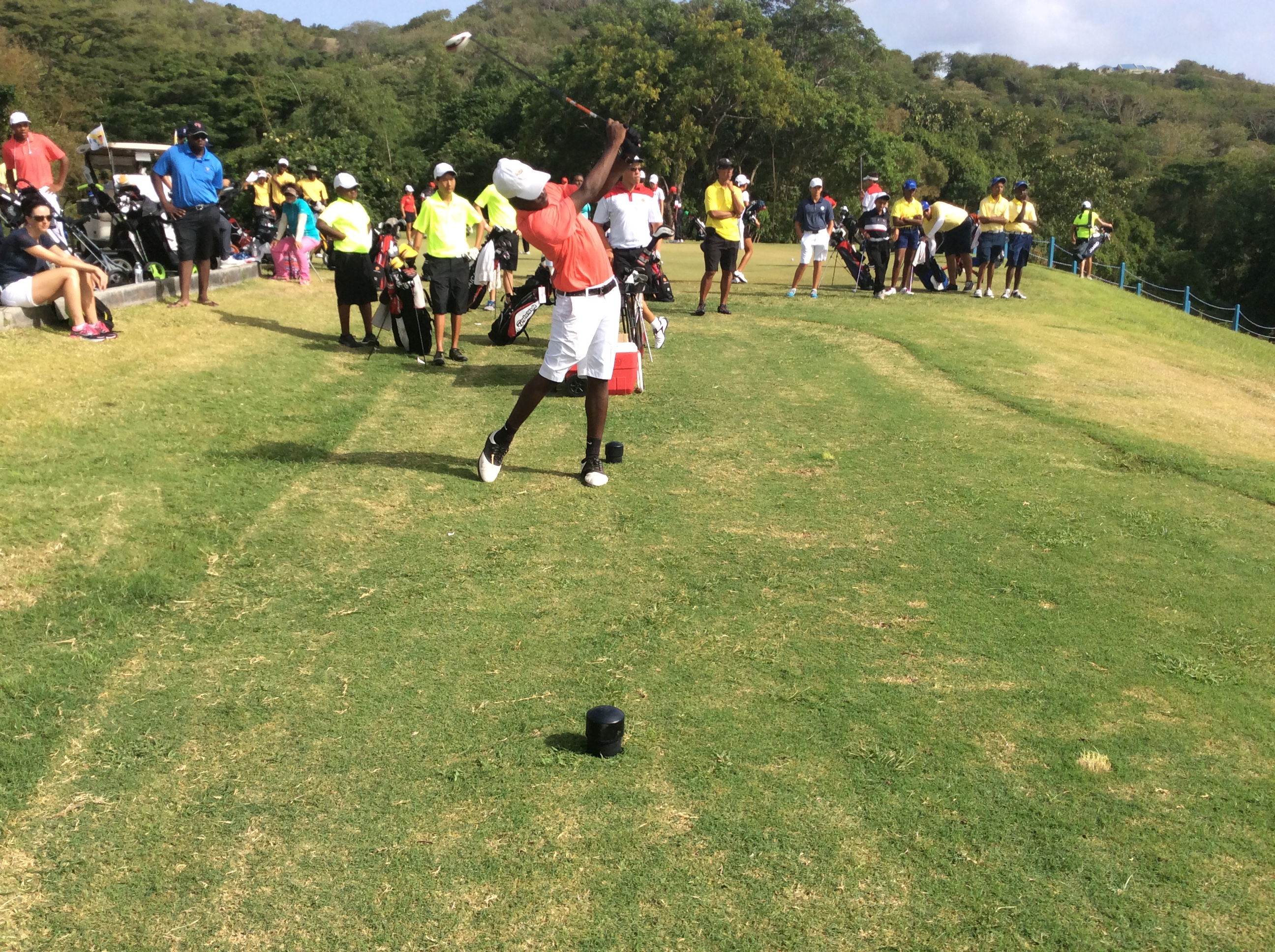
While golf has been donned a “gentleman’s” game, these Caribbean youth are revamping that notion to be more inclusive and diverse, and are demonstrating that they have what it takes. Annamarie Morales, the only girl on the team, attends the St Croix Educational Complex, has been playing since she was seven years old, and has participated in four such tournaments. She says, “I love the mental and physical challenge of golf.” Her favorite player is Murray McLlroy, and she urges her fellow age-mates Crucians to check out the game, “as it is fun and interesting.”
Keshawn Peets, also from St Croix, was introduced to golf by his father Ken, also a golfer, and has been playing since he was five years old, and plans to continue playing all the way to college and beyond. This confident sixteen year-old golfer attends Central High.
Beresford “BJ” Lynch, sixteen years old, from St Thomas, was also introduced to golf by his father, but credits a family friend, Buddy Smith for taking him under his wing and giving him the guidance he needed to develop his skills. He loves golf, and is confident he will play in college before deciding if he will go professional. Ricky James, somewhat shy, likes the game and being out on the green. LaVonte Blyden who has been playing for ten years, has participated in seven tournaments, states, “What I like about golf is that you never play the same way twice.” His best score thus far is 79 and he thanks his mentors, Art and Conrad.
Although the Puerto Rico team won the championship, and the VI placed seventh, the notion that golf is simply a leisurely sport, is not quite accurate; it is also arduous, requiring concentration and a keen focus. These youths were out on the green from about 8 a.m. and until approximately 2:30 pm., under the hot sun, often carrying their own golf bag, which weighs an average of 10-15 pounds, and having to maintain their own scorecards.
LaVerne Slack, the team manager got her sons involved in golf ten years ago when she saw an advertisement in the newspaper offering free golf lessons to children 7-17 at Mahogany Run, St Thomas. Slack likes golf for her sons because she says, “It teaches them honesty, disciple and integrity. The comrade you find on a golf course, is not evident in any other sports. Golf is real classy; it is a sport you don’t have to worry about injuries, and you can play as long as you can swing a club.”
For those parents who are interested in getting their youth into golf, they should contact Nevin Phillips, Golf Director. 340-777-6006. Governor Mapp has pledged his commitment to expand this sport in the territory. Who knows, the VI probably has several future, Tiger Woods.


 Opal Palmer Adisa