Tag Archives: life

Ode to Hurricane Melissa: A Conversation, A Plea

Dear Melissa, my sister Hurricane,

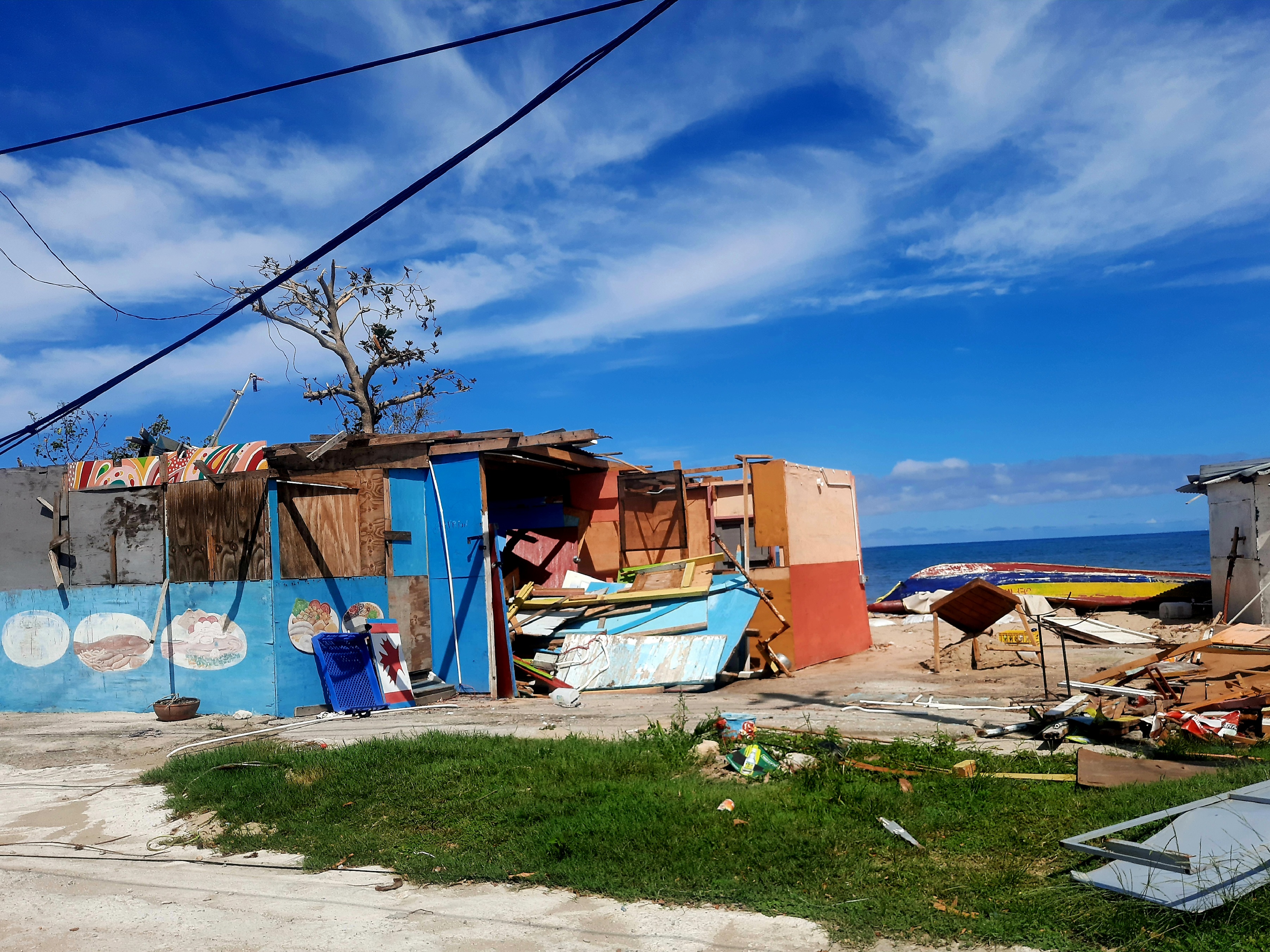
So you’ve been dilly-dallying, eh? Sauntering across the sea like you going to a party, hips swaying, your skirts of cloud dragging across the horizon. We see you, girl. We’ve been seeing you. Watching your slow, deliberate stride. Listening to the whisper of your name in the wind. They say you’re coming with anger, with force, but maybe it’s not rage at all. Maybe it’s hurt. Maybe it’s vexation, vex because of how we’ve treated you, treated the earth, treated ourselves.

All the bottles and plastics that were banned but still float like dons in the gullies. The trash we burn without care, the smoke rising like confessions. Maybe you just tired of us, tired of our stubbornness, our refusal to change our carless ways, our greed and consumption.

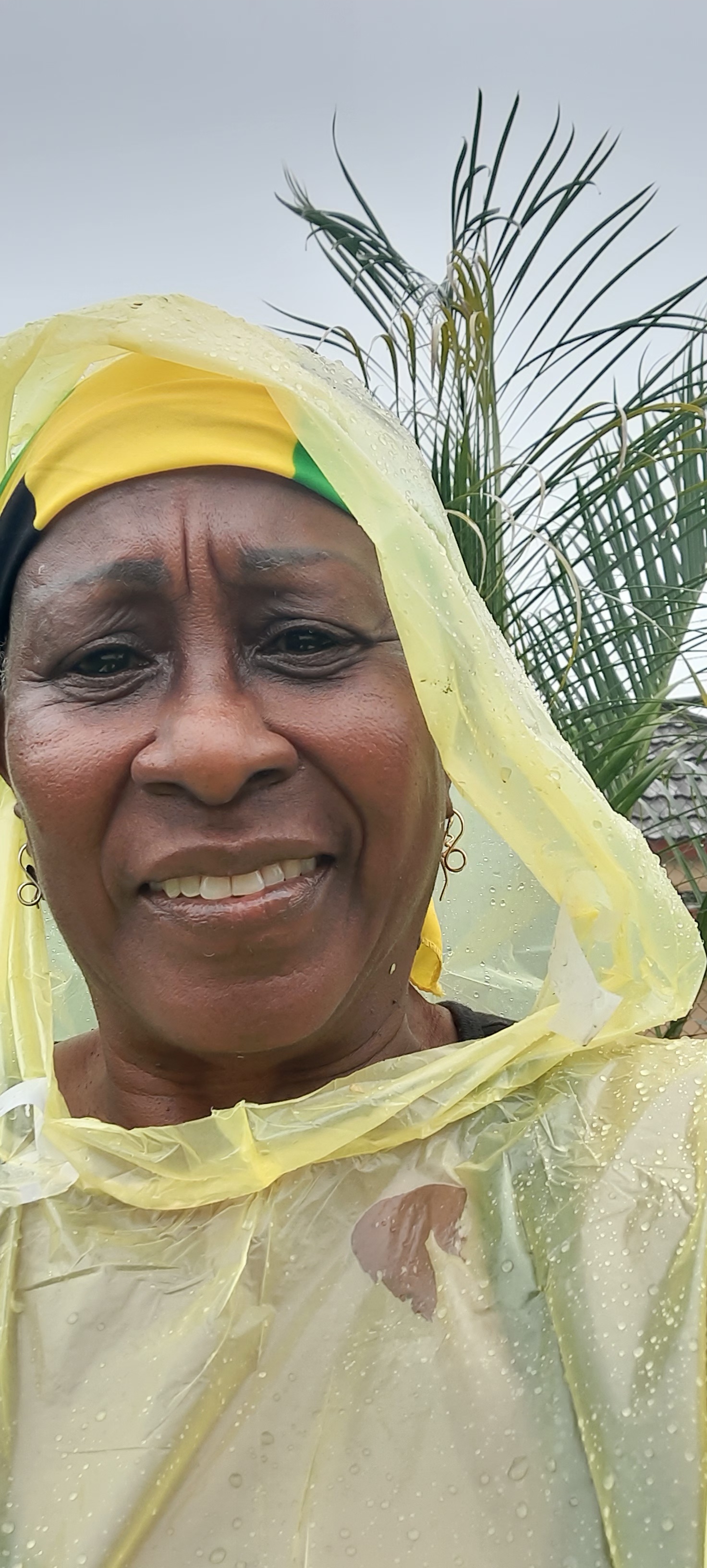
But I see you, Melissa. This morning I went outside to greet your first shy showers. I splashed in them, as I love to do; told you “Howdy. Welcome!” Whispered, “Please, keep my house safe.” Don’t come huffing and puffing like some big bad wolf, I beg you. Take it easy ‘round here.

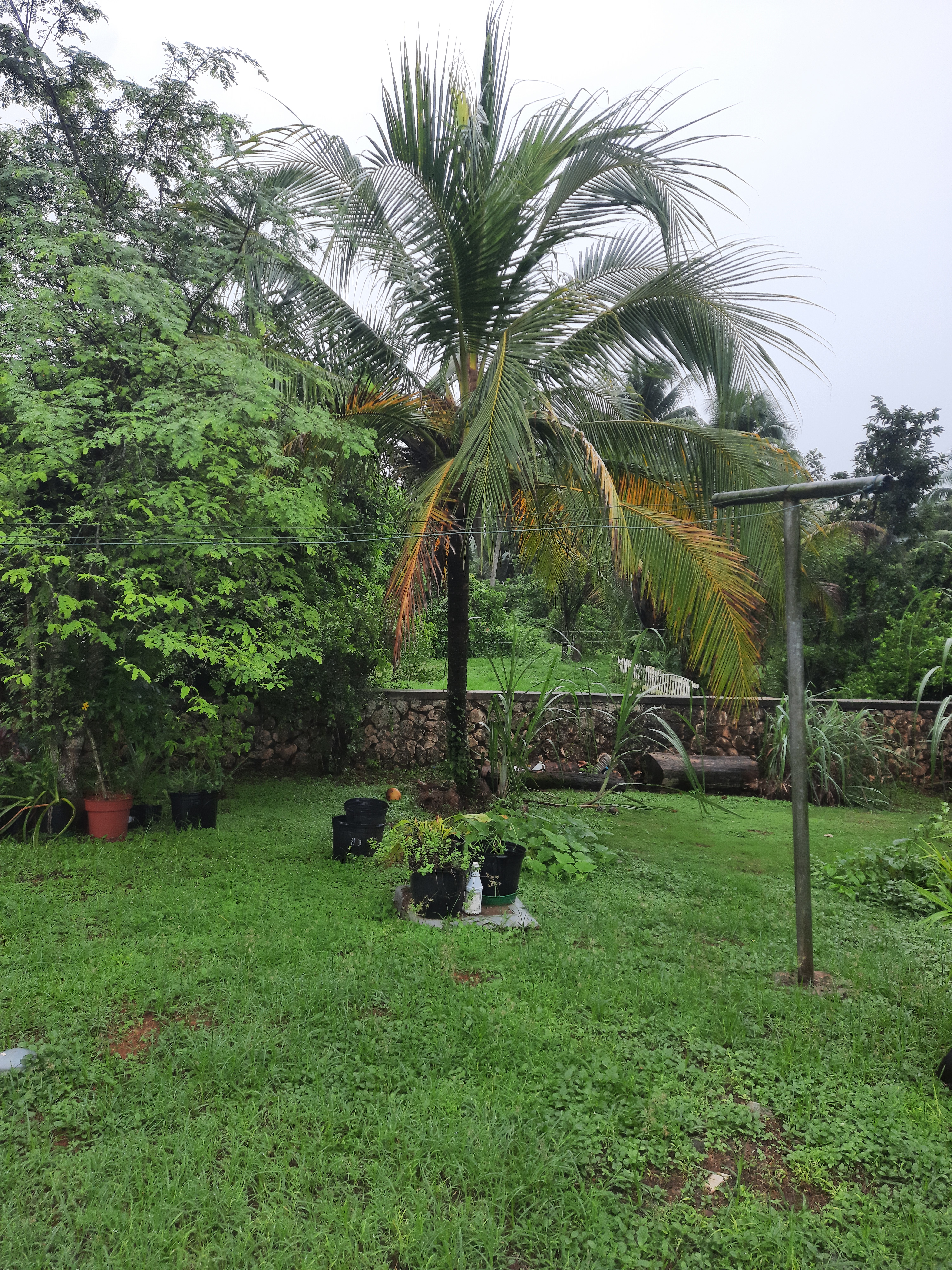
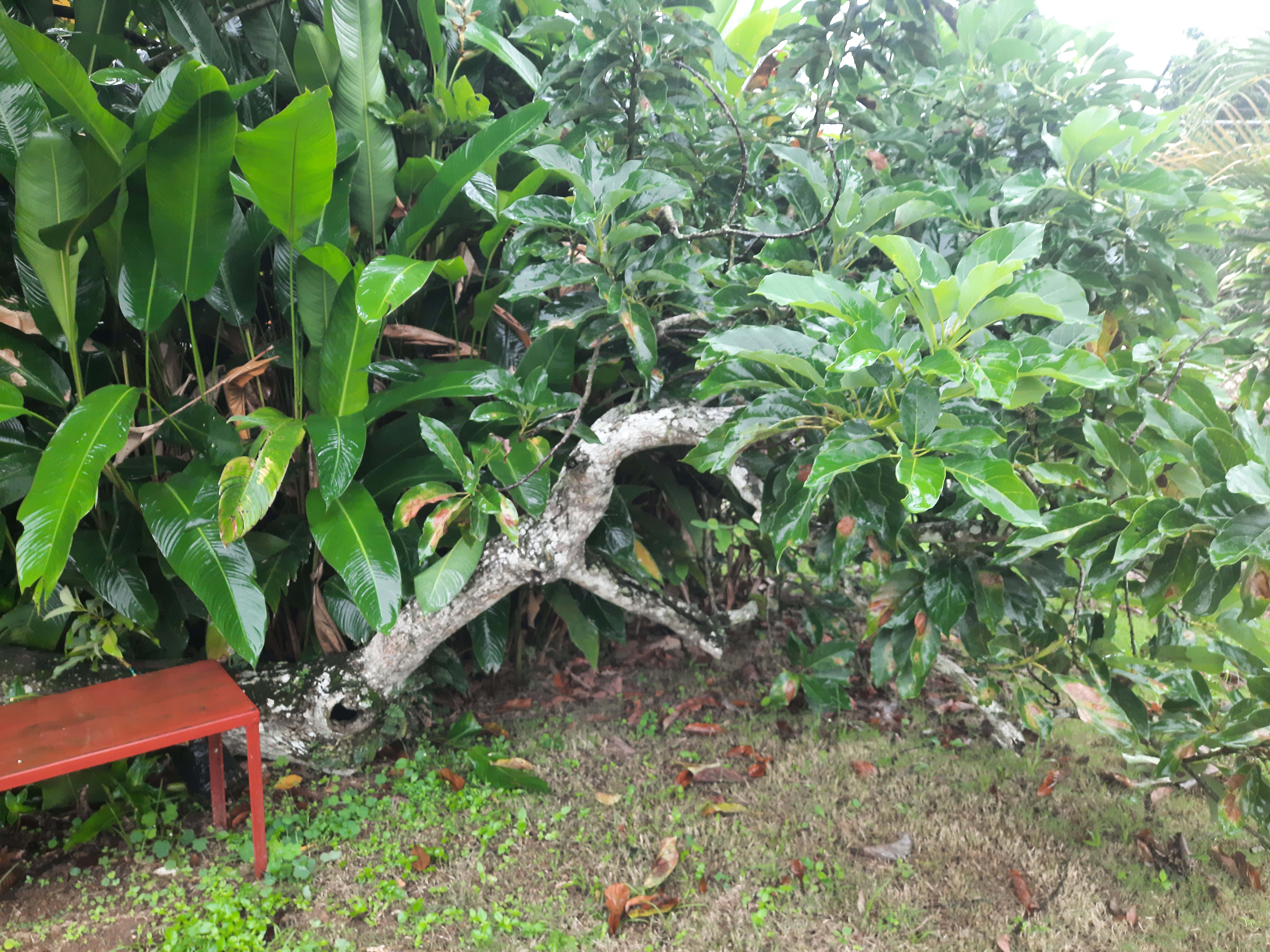
I picked a few bird of paradise which I love and in your haste you might not see them and just blow them away.  I said thanks to my banana and plantain trees, my lime and cane and my pear; poor ting fell down already and Delroy, the gardener help me kotch her up;  so please, tek time with her, nuh, have mercy pan this old limping girl.. My coconut tree standing tall still, and all my pretty flowers: hibiscus, buttercups, bread-and-basket, crotons, ferns. Jason helped me tuck them safe in the corner this morning, so when you pass by showing off your power, you might spare them your mercy.

And truth be told, I’m not innocent either. I try me best.  I pick up, I recycle, I talk about protecting the earth , but maybe I too am part of the problem. None of us are exempt, are we?

So Melissa, darling, come now. Come if you must, but come gentle. Don’t make us wait no more.  It’s one of the hardest things, this waiting. My anxiety level is high, You’ve been teasing us since last Wednesday and it’s now Monday. My classes canceled, my mind wandering. I can’t focus, can’t work. So come now, in your yellow dress or your navy one, with your hair flying wild or pressed neat — I don’t mind. Just come, do what you must, and then go on your way.

And when you reach the sea, before you touch land, just exhale your breath out there, let your rage disperse over the deep. We are a loving people here, truly. Sometimes we quarrel, sometimes we act up, but deep down, we’re kind. It breaks my heart, though, to see the way we treat our own, the cane cutters, the fishermen, our people living in conditions too close to slavery. It shames me, it wounds me.

So I pray for them, for all of Jamaica. I’m lucky to be in a solid house, but anything can happen. Still, my ancestors, my Orishas, my divine guardians, they walk with me. I trust their protection, their grace.

And to all those who’ve called, emailed, sent love and prayers, thank you. It’s for all of us.

So Melissa, my tempest sister, we’re waiting. Come if you must, say what you have to say. Trace us, scold us, dash a little saltwater in our faces, and then please, leave us in peace. Let our trees rise again, our flowers bloom again, our lives go on.

Take it easy, my child. Take it easy.

Walk good, my girl. Walk good.
And don’t let no bad duppy follow you for you’ve been carrying on like one wild spirit, and we don’t like bad duppy in Jamaica, no sah.

Home in the Diasporic / Home at Home

I have never been exiled from Jamaica, though I have lived most of my life away from her shores. Jamaica has always been my root, my anchor, the marrow of who I am. I never felt cut off, never felt she was beyond my reach. Jamaica is not a distant place I visit; it is the pulse that shapes me, the rhythm in my walk, the breath in my speech. My Jamaicanness is not a badge nor a flag — it is seamless, both my imagined self and my lived reality.

Paul Gilroy speaks of “the dialectics of diasporic identification,” reminding us that it is never the same for everyone, yet always returns to the dialogue of homeland and home. Can home be carried with you? Is it in the yellow, green, and black, in the taste of ackee and saltfish — even from a can — in the cane you bite into, juice running down your chin, in the childhood lessons of duppies so that when a shadow looms, you wonder if it is this or more?

Perhaps it is as Gilroy insists: “It ain’t where you’re from, it’s where you’re at.” The “where” being body and mind, geography and imagination. Home becomes memory you carry like a favorite dress, a figurine, a faded photo of first love, the friends whose lives moved on without you as yours moved on without them. Yet it always circles back to origin. Like the time I walked into the faculty parking lot in California and found a note on my windshield: Go back to where you come from. Perhaps because I demanded a place for Black people and people of color. Perhaps because I was a woman. Perhaps simply because it was known that I was not from there — not California, not Oakland, not America. To them, I was Africa, a presence they never wished to claim except for her resources. Go back where you come from.

But it is never that easy when you live where you are not “from.” They remind you constantly, even if you wanted to forget, even if you could. It is always: Where are your people from? Where was your navel string buried? What soil stains your soles, veins your blood, whispers your names?

Gilroy says, “It ain’t where you’re from, it’s where you’re at,” but the deportee knows better. For those who fled poverty or were exiled into unfamiliar streets, home is neither here nor there. Stories told of home were mostly lies meant to soothe — to suggest a place that would welcome us — but home did not. Could not. Not for the deportees. Not for those who built new nations out of necessity. For them, home became nowhere: not in the Diaspora, not in the unfamiliar land of exile.

And yet, sometimes home is that uncanny space — familiar and foreign all at once. Like Half-Way Tree in Marcia Douglas’s Marvelous Equations of the Dread, where Marley returns disguised as a madman searching for himself. Home is recognition denied, a hostile space where you may be chased, ridiculed, shunned. It does not always yield answers. At times it feels strange, unfamiliar, as if you are experiencing the Diaspora within home itself. Still, even when hostile, home holds memory, bloodlines, visceral connections. Home teaches, as it teaches Duppy Marley before he drifts into the other realm.

But not so for the madman in Jennifer Rahim’s Curfew Chronicles. He wanted only to speak truth to power, to explain the injustice he witnessed. He was home, known — and yet not recognized. Recognition would mean being heard, and being heard would demand change. It would unravel the order, blur color and class boundaries, disrupt the hierarchy. So he was silenced, thrown down, his words trampled, his identity erased. At times, home itself robs you of belonging, of dignity, of safety. Home, too, imposes curfews.

James Clifford asks: “How do diaspora discourses represent experiences of displacement and replacement of homes away from home?” A valid question. Yet it must also be asked of home itself. How does the twelve-year-old boy who fails common entrance confront displacement at home? His identity hinges on a single act. For my Danny in Love’s Promise, the shame of home propels him outward, to anonymity in the Diaspora, to find voice and self where he is not known. Sometimes the weight of home stifles growth.

And sometimes, being away is the very condition for growth. Absence shifts the gaze from lamenting displacement to embracing the fertile ground of possibility. The Diaspora becomes a field where seeds of reinvention take root, allowing home to be reframed — not as loss, not as exile, but as promise. Between Gilroy and Clifford, home becomes a moving force, fashioned and refashioned, alive in memory, radiant in imagination — at once paradise, at once euphoria.

THANKFULNESS LIVES INSIDE LOVE

Inside the limitless expanse of love

Are the roots of thankfulness


A father whose seed spawned you

A mother whose womb sheltered you


Compassionate breath of the creator

that spat you fully ready and unique


A family biological and/or fashioned

That allows you to be and affirms your essence


What more do you need to know?

What more gifts must be thrown at your feet?


You are the only one we have been

Awaiting to say yes to you   to us   to all the is promising


Love is not a vacuum or an ending

It is the vessel in which you will find a full storehouse


Today I accept and acknowledge my privilege

And am thankful that at one time I thought myself


Unworthy

Thought I lived in lack

Misjudged the love that has always been there

In the wind   in the smile   in the kinds words that I couldn’t hear

As I went seeking it from someone else from some nonexistent place


Today I accept and celebrate my dispensation

Knowing that in love the only rule and authority

Is the heartspace

From where and into which I return again and again

Grateful for the wealth of my life

Thankful that I know love

Thankful that I am love

Thankful that love invites me to bathe and dress

In its ornament and wear it as my armor

That love is the only house I need

To be the benefactor who ushers in the dawn