Tag Archives: poetry

The Power of Nature: Judith Falloon-Reid

Filleting fish with 

a sharp machete, the master

bad as yaas! Fiyah! 

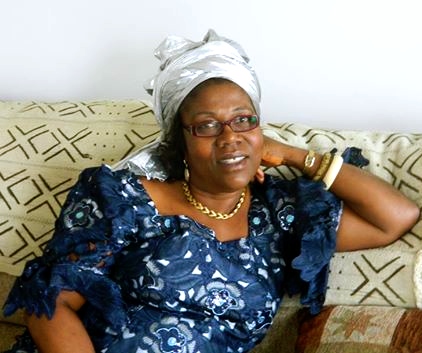
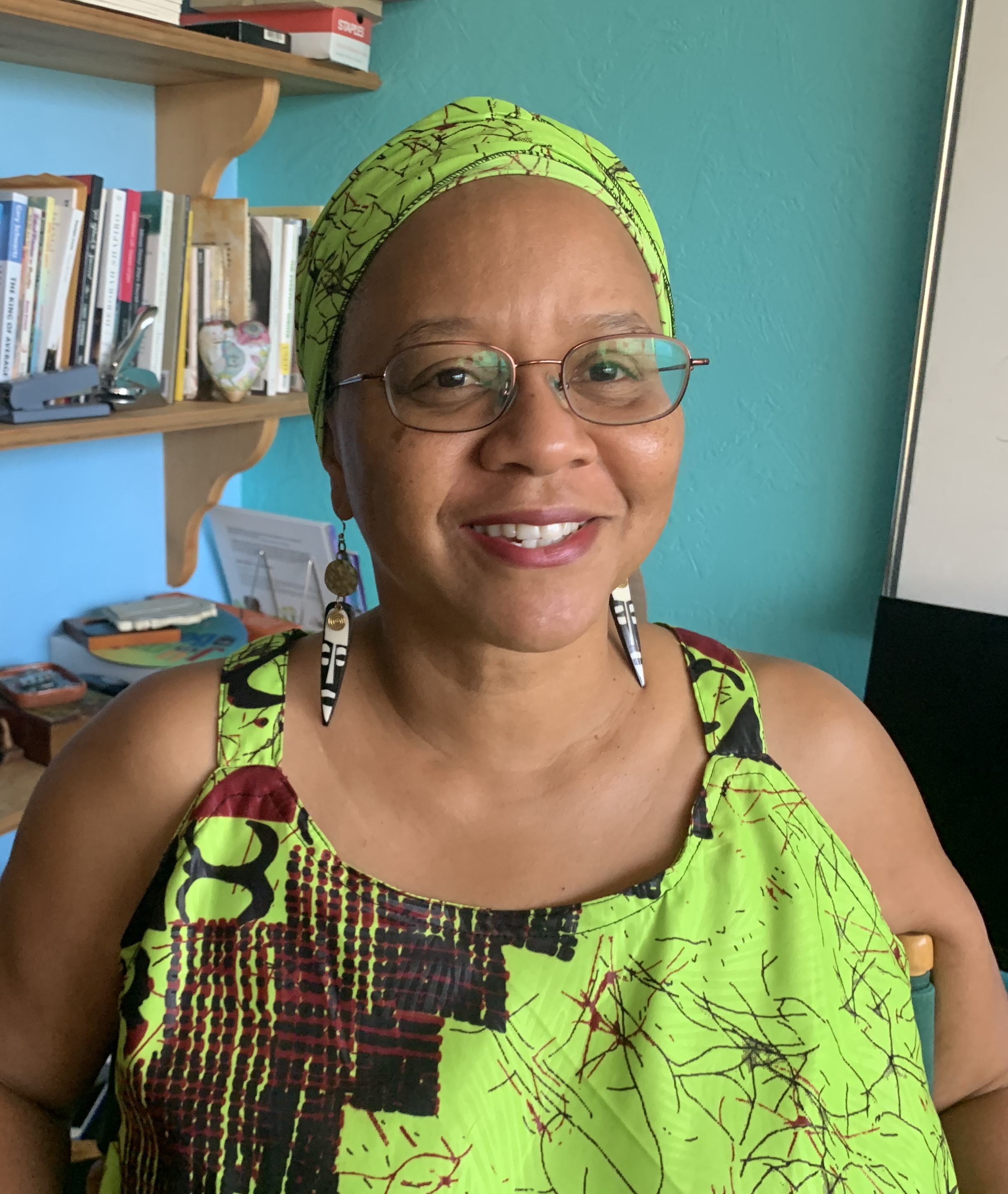
Poet, Filmmaker and Media Personality,  Falloon-Ried is also an adventurer, and is credited as the first Jamaican woman to visit Antarctica and has written, Antarctic Adventures with a Jamaican on Ice, 2020, that chronicles her trip. Here she talks about her new collection:

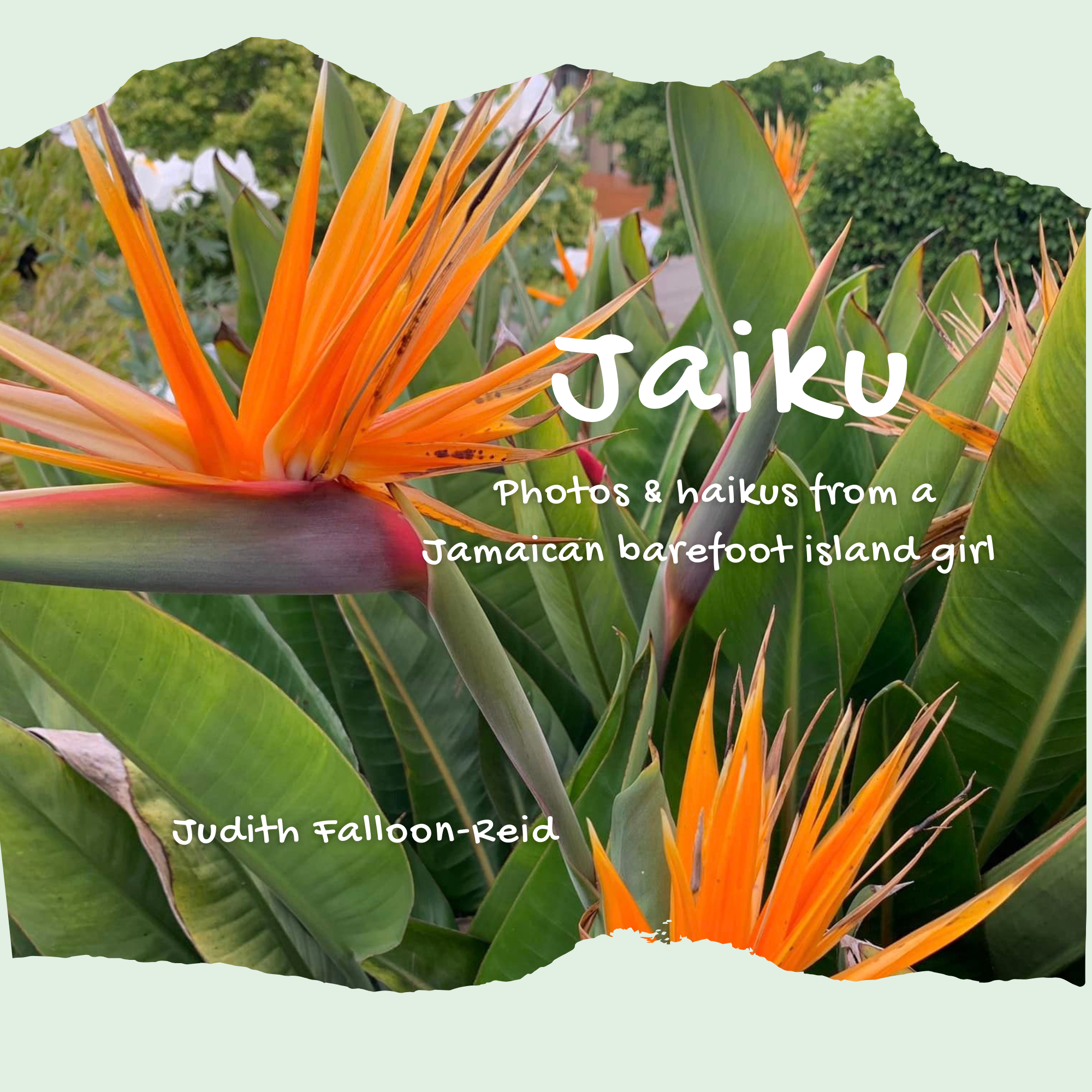
Jaiku, is a collection of Haikus and photos. In 2022, my husband and I moved to a small town called Puerto Armuelles on the Pacific Coast of Panama. The shift awakened my creativity in a new way. I had always been an amateur photographer and a nature lover, but living steps away from the untamed Pacific Ocean, having a yard filled with fresh fruits and flowers that grow and free from the stresses of America, I started writing haikus to accompany my photos and posting them on social media. The response was overwhelming. For me, this collection is a testament to the power of nature on our mental, spiritual, emotional and physical state.
Mango blooms in heat

A promise of things to come

Summer tun up high. 

While many authors sometimes find it challenging to come up with a title, Falloon-Reid’s focus was clear

Jaiku is a combination of Jamaican and haikus. I have used that hashtag for the past three years on social media to describe my combination of photos and haikus that often include Jamaican language.

It’s been three years in the making although, the idea of creating a book to house the photos and haikus didn’t materialize until early 2024 when friends and social media followers suggested that I create a book.

While the world cries blood

my garden blooms love and peace

man could learn something. 

Responding to the importance of this collection now, Falloon-Reid reflects on the technological impact:

In a world where AI seems to be taking over, it is important that live photography continues to have a space on bookshelves and in people’s consciousness. AI can never replace a photographer’s eye. AI has no emotion, empathy or ability to see beyond the natural. It simply mimics what already exists. I also live to inspire others to see their creative work, whatever it is, as valuable and I hope this collection will inspire photographers and writers to think outside the box.

A single red stone

defies the waves. I shall not

be moved. Be the stone.

While a writer’s process is often an indication of her productivity, Falloon-Reid keeps it simple but her ambitions are not:

I simply write as it comes. I know my main characters and storyline and how it begins then let it surprise me as it unfolds. I follow my characters as they tell me their story.

I aspire to be a famous author. I just want to write everything that is within me until my mind stops giving me words and my inkwell runs dry.

Writers, like the general public, are impacted by the social factors that arise. Here is what Falloon-Reid has to say about living under Covid 19, the Black Lives Matter movement, and the present US President:

I have always been considered a poet who speaks to issues of the day. I continue to write on the black experience, living in Amerikka and social justice in poetry. Jaiku is a little different. It has a mixture of observations, inspirations and social themes that accompany the photos and although most are haikus, there are a few poems as well. For example, the poem No Trees Aloud accompanies an image of machinery deforesting an area and speaks to the problems of gentrification and cutting down forests to build concrete jungles and the impact on nature. I also try to inspire hope in poems such as the one below that accompanies an image of a sprawling tee with massive roots.

With strong roots spreading

your leaves will shake, branches bend

but you will survive.

And like many writers who complete one project then go on to the next, Falloon-Reid might be doing some back-pedaling:

I am working on a relaunch of my novel The Silent Stones as well as filming season two of Mirrors in Paradise, a six-part series I wrote for PBC Jamaica, based on my book Are Mirrors Cleaner in Paradise?

The Silent Stones was first released 10 years ago but my mother passed away shortly after its release. I am updating it and doing a new cover before rereleasing it later this year.

Finally, the quirky thing about Falloon-Reid that you might not know is:

I don’t like structure, capital letters or punctuation. I use a lot of fragments. And, I like to start sentences with “with” and  “and”.

Website: jfalloon-Reid.com

YouTube: youtube.com/@Judithfalloonreid

Facebook: facebook.com/jfalloonreid

Instagram: instagram.com/barefootislandgirlja

fabian thomas: a 30+ year journey

JAMROCK

Wi laugh loud

go hard

dweet sweet

ramp rough

lick hot

dance wid screw face

a nation in trauma

acting as if there are

no problems.

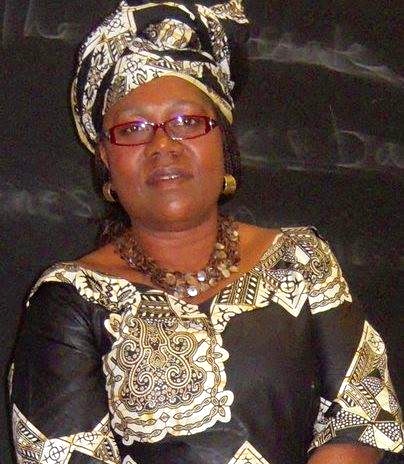
fabian m thomas is a writer, poet, artistic director, spoken word performer, Performing Arts Specialist, and a Calabash Writers Workshop Fellow, and the above poem is from his new colletion , the solace of sound. Thomas says, “the title came from a section of words, which I consider the anchoring poem in the collection.”

Often the question is asked how does a poet put  a collection together, and this is thomas’ response to this  volume, which he describes as “A pot pourri, offering varying flavours for the palette of readers: sweet, tart, spicy, and even bitter, as I explore matters related to the heart, the head and the soul.”

Reading the poems in this collection, you will fully appreciate thomas’ poetry voyage, which he says “is the culmination of a 30+ year journey of writing, learning, dreaming, affirming, living, evolving and persevering.”

Fortunate to have had some seasoned mentors, Thomas credits  one such person, who also edited the collection. “It was my editor Prof Mervyn Morris, who suggested that I add spoken word to the description of the collection, because he said I “..write for the voice.” The audience I claim is those who love and are curious about the powerful allure of the spoken and written word.”

Responding to the impact on his writing and his life living under Covid 19, the Black Lives Matter movement, and the present US President,  these very different social realities, Thomas  offers: “I am present to the reality of people, forces and cabals that are determined to set us (black/people of colour) in particular, and the world in general, back, like resetting a clock to a time when we had no rights, value and free will. My response is “We will NOT go quietly into the night, disappear, shrink, but instead stand firm, take space, draw ranks, resist, rebel and overcome (again!). As in life, so in art, di livity muss ketch pon di page an di stage!”

His reponse  is in keeping with how he describes his writing process: “Live. Observe. Listen. Bear witness. Be witnessed. (Re)imagine. Ideate. Give form. Share (or not 😊).” Like many writers, thomas  aspires to “share my work as widely as possible…and meck money fram it too!!”

Active as a presenter, theatre consultant, Thomas  also makes time for his writing and has many plans:

“Having had the blessing of being published (by Independent Voyces Literary Works) I am now fully engaged in marketing and promoting the solace of sound, along with my previous works: Djembe (illustrated children’s book) and New Thought, New Words: a collection of affirmations, gratitude verses, spoken work and a bit of prose). I also plan to complete two books (a memoir and an exploration of my parents’ meeting and sojourn in the UK), and a collection of essays.”

We still are…

We were

kings & queens

before we were

enslaved

We

still are

In 2018, fabian m thomas self-published a collection of writings entitled New Thought, New Words. His first children’s book Djembe was released, February 2022 and Tribal Elements (A Tribe Ting, Volume 1), a chapbook of original writings by members of his performing arts collective Tribe Sankofa was launched in April 2022. He has two pieces in 100+ Voices for Miss Lou: Poetry, Tributes, Interviews, Essays (UWI Press, 2021).

Contact info:

i.am.fabianmthomas_writer_poet:  https://www.instagram.com/i.am.fabianmthomas_writer_poet?igsh=Z2NhOTZnbGV4a3Bt

Poetry Saved Her Life: Patricia Jabbeh Wesley

Patricia Jabbeh WesleyWriting poetry and fiction since she was fourteen years old, Patricia Jabbeh Wesley, realized that she “was more gifted in poetry than fiction” when she was in college.” Currently, she is editing “a collection of short stories, while seeking an agent for my memoir, so maybe one day soon, I can say I am a writer of three genres.”

Born and raised in Liberia, in 1989 when the Liberian civil war began Jabbeh Wesley was “experimenting with fiction.” However, her shift to poetry was prompted by the civil war, and at its beginning had nearly completed a collection of poetry. Jabbeh Wesley speaks to how the shift in emphasis occurred.

“It was during our flight as a family, the urgency of the war, bombs falling, people dying around me, and always being on the run with my small children, my husband, my mother, and her family that I realized that war had no time for the long windedness of prose. I needed to capture my life during those days in the refugee, displaced camp, and I did with the urgency of war. That was when I began writing only poetry. And then I knew I was more a poet than a fiction writer.”

Confident and outspoken, Patricia Jabbeh Wesley teaches creative writing at Penn State University where she is an Associate Professor;  she has lived in the USA since 1991, where she earned a doctorate degree. She has so far published four poetry collections, and is very popular reader both nationally and internationally at festival as well as universities. Jabbeh Wesley shares some of the top venues where she has performed.

“I was invited to the 2007 famous International Poetry Festival of Medellin in Colombia, South America, and then again to the 20th anniversary celebration, 2010, something which rarely happens with that festival. I have also been a guest of the 2008 Pan African Literary Forum in Accra, Ghana, that brought together writers and students of writing from around Africa and the world, including the USA. Also, I was a guest at the Fall for the Book Festival 2009, held throughout Virginia; and to the very renowned City of Asylum Festival, the Calvin College Festival of Faith and Writing.”

Patricia Jabbeh Wesley was one of the featured poets at the Kistrech Poetry Festival. Of her participation she says, “I was very privileged to be a part of the Kistrech International Poetry Festival for the opportunity to present my poetry to my East African brethren, to read at the three universities along with other poets, and to meet all of the wonderful writers from around the world, the younger generation of African poets as well as others in the Diaspora who are my contemporaries. The festival taught me a lot. I also got the opportunity to see a region of Africa that I had long longed to see.”

“I am an African with the heart for my continent. despite being away in the Diaspora for two decades. When I write, it is to bring my culture and my people to the world, to bring to life the stories of our war, those who died, and to give voice to my people, the Liberian and the African people. I want my audience to hear the voice of one African woman poet, and to understand that our poetry speaks a far different language than the poetic language of the African man.”

Her poem below reveals her social consciousness.

Sometimes, I Close My Eyes

Sometimes I see the world, scattered

in small brick shacks along the hillsides

far away in Colombia,

where it is only the poor, at the peak

of the mountains. Medellin, holding on

so the city can find rest.

Sometimes, I see the poor in my Bai,

shoeless and old, his teeth threatening

to leave him if he continued on,

and walking on barefoot, he looks ahead,

his eyes, not betraying the future, where

the children he’s populated

the globe with, will cradle him beneath

the soil, where we all go, poor or rich,

where we all go, if we believe in the grave.

Sometimes, it is just these children who

have emerged from a long war they never

saw; children, left along

the sewage drains, the same people who

brought on the war, now recapturing

the land as if the land could be captured.

Sometimes, the world is hazy, as if fog

were a thing for the artist’s rough canvas;

sometimes, the world is a shattered piece

of your Iyeeh’s dish, the one from ages ago,

the one that was not meant to crack,

but sometimes, this is the world, the simple,

ordinary world, where people are too

ordinary to matter. Sometimes, I close my

eyes so I don’t have to see the world.

1979894_10203427294191848_1421844885_nTo learn more about Patricia Jabbeh Wesley visit her website: http://www.pjabbeh.com

;and her blog: poetryforpeace.wordpress.com

A Man of Passion: Erling Kittelsen

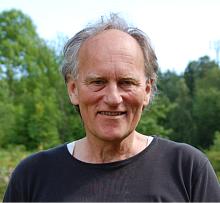
09-erlingDSC_3492Erling Kittelsen, from Norway, has been writing since he was 14.years old, “as a way to survive,” he says. He was one of the poets in the 2015 Kistrech Poetry Festival, and says he was happy to participate in this festival, as he “loves the feeling of Africa.” Kittelsen has been to Africa four times before. He reminisces, “ I was in Tanzania long time ago, for my own writing and understanding.” His second trip was to “Mali because of a theatre play,” and as a result of his participation in that production, he traveled and performed “all over the country.” Another trip took him to, Namibia/Botswana, where he attended a dance festival in Kalahari, but the main reason for his visit was to learn about the San people.

Poet, novelist, children’s writer, playwright and translator, Kittelsen made his literary debut in 1970 with the poetry collection, Wild Birds, which he describes as “meditation pictures.” His poem, “How to Fly,” is one such example.


Human bird

we throw you

off the cliff

do you know how to fly?

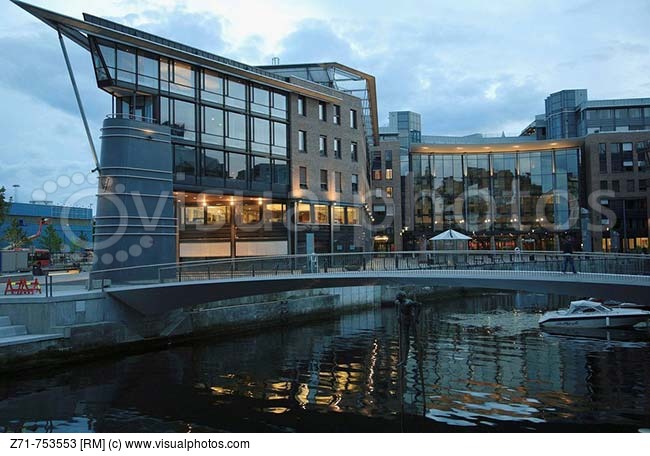
norway-oslo-aker-brygge-area-modern-architectureConsidered an experimental poet with a strong social consciousness, Erling Kittelsen draws from fables, legends and oral poetry from various cultures. His work is in defense of social and cultural concerns, as well as the environment and some of the negative effects of technology. Kittelsen was awarded the Mads Wiel Nygaard’s Endowment in 1982, the Aschehoug Prize in 1990, and the Dobloug Prize in 2002.

Speaking about his participating in the Kistrech Poetry Festival, Erling Kittelsen says, “It was very interesting for me because of the other participants and the good feeling of Africa that learn me a lot.”

images

Gregarious Poui


DSC05316 shyness has no place

with this one

butter-colored trumpets

scream out to be seen

the bees and hummingbirds

hear and peck and flit


somewhere about the mid

19th century

the name was first recorded

in Trinidad

still today the islanders

gather in the savannah

sitting on the pink or yellow flowers

its soft and spongy wood

is used for floats        razor straps

even the inner soles of shoes

students

it is believed

fall in love

when the blossoms

litter the campus ground

DSC05314

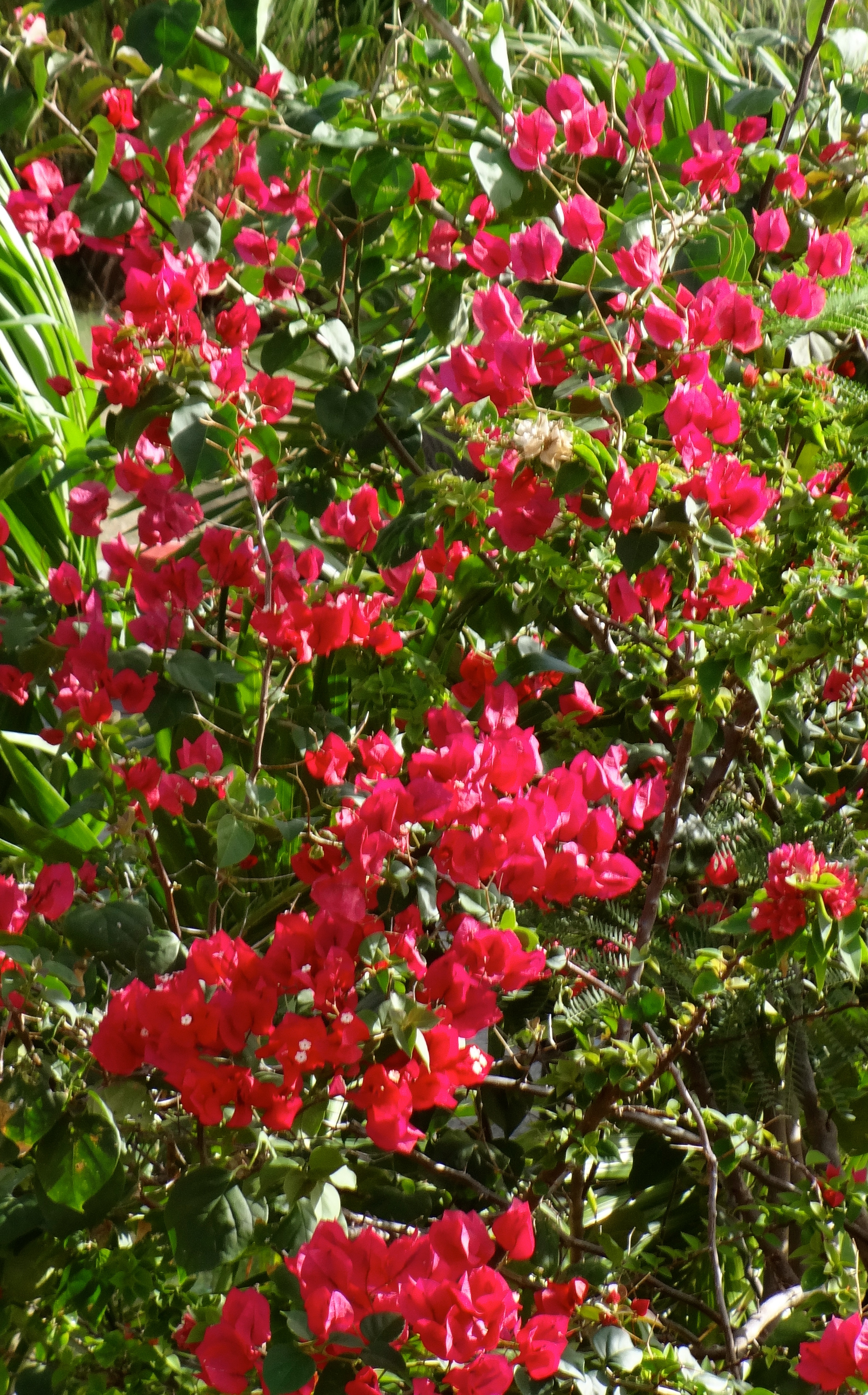
MS BOUGAINVILLEA SPREADS LOVE

DSC05227 

thorny

but so ravishingly beautiful

she is deemed ornamental

south American by birth

she is known and can be found

almost world wide

with long spiky legs and arms

she scrambles over all others

especially when life

feels a little dry

she spreads opens her arms

and her ruffled dress

clusters of three and six bract

dazzles your eyes with colors

purple                        magenta         pink

read    orange            white yellow

 DSC05228

DSC05233

you know her

but she has many names

in Guam where she is official

they call her Puti Tai Nobiu

Bugambilia in Mexico

Napoleón in Honduras

Veranera in Columbia & Nicaragua

Trinitaria in Cuba and Puerto Rico

Santa Rita in Brazil

and Papelillo in Peru

don’t judge her

these are not aliases

nor is she a flounce

confident and big-hearted

she spreads her love

freely

 DSC05236

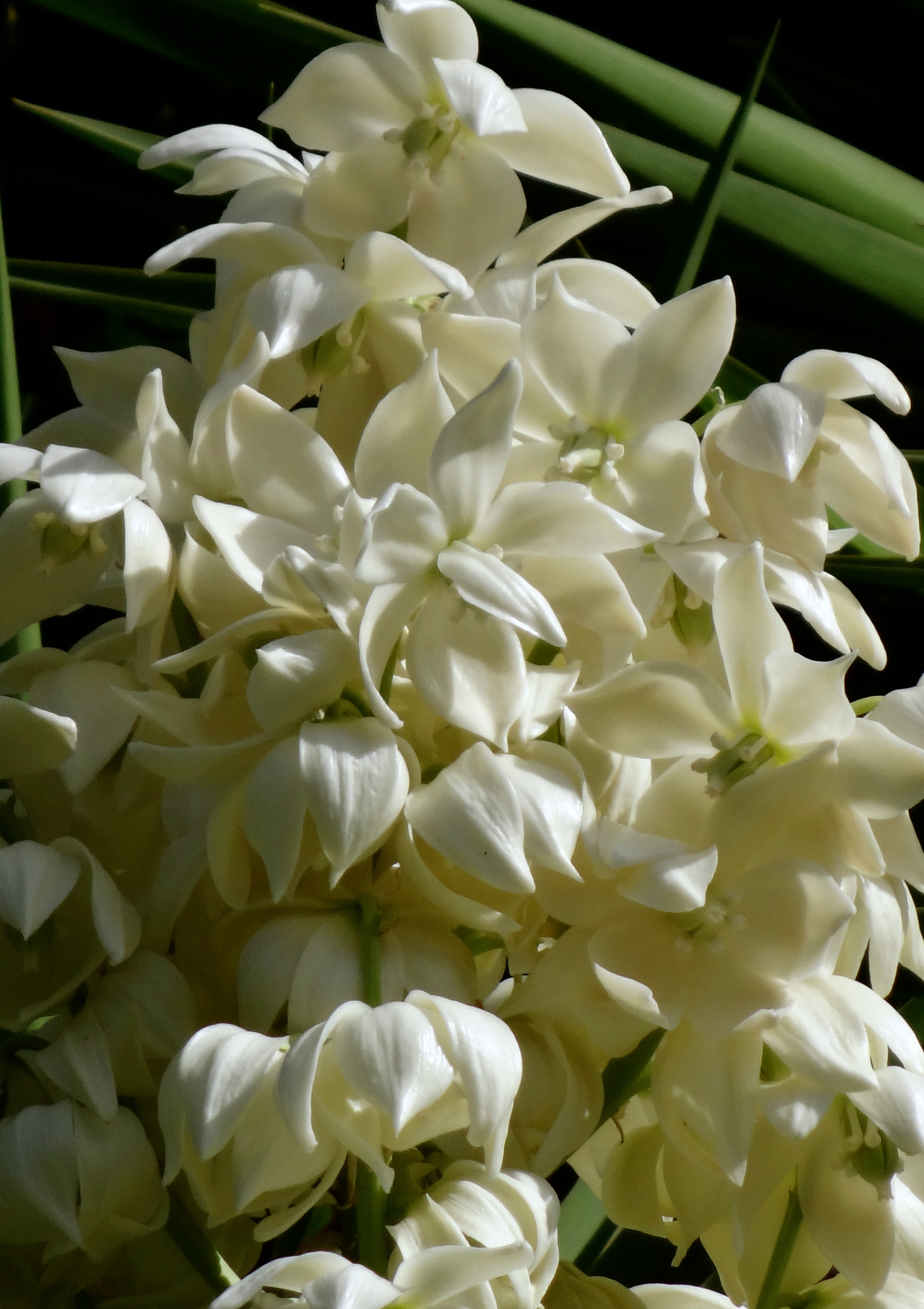
YUCCA NOT to be Confused with YUCA


DSC05231

a proud white flower

its head and body

are always erect

protected by

its sword-shaped leaves

that will pierce you

if and when you attempt

to cut it down


known by many names

Adam’s Needle, Bear Grass,

Dagger Plant, Joshua Tree,

Mohave or Aloe Yucca,

Our-Lord’s-Candle,

Soapweed or Spanish Bayonet

it is edible

taking on the flavor of the seasoning

soft and delicate in the mouth

when deliciously sautéed

with shallots and red peppers

 DSC05230

long known for its medicinal value

it reduces high blood pressure

relives migraine headaches

stomach disorder

poor circulation

liver and gallbladder disorders

and even diabetes


most people walk or drive by

don’t even pause

to take it its splendor

much less assess its worth

to improve their health


long ago and even now

among the naturalists

they apply yucca

directly to sores

to stop bleeding

relieve sprains & swellings

and even to eliminate

dandruff and baldness
often used

as a foaming and flavoring agent

in carbonated beverages

i’ve long admired its

unassumed beauty

that says i own myself

and that’s all that matters

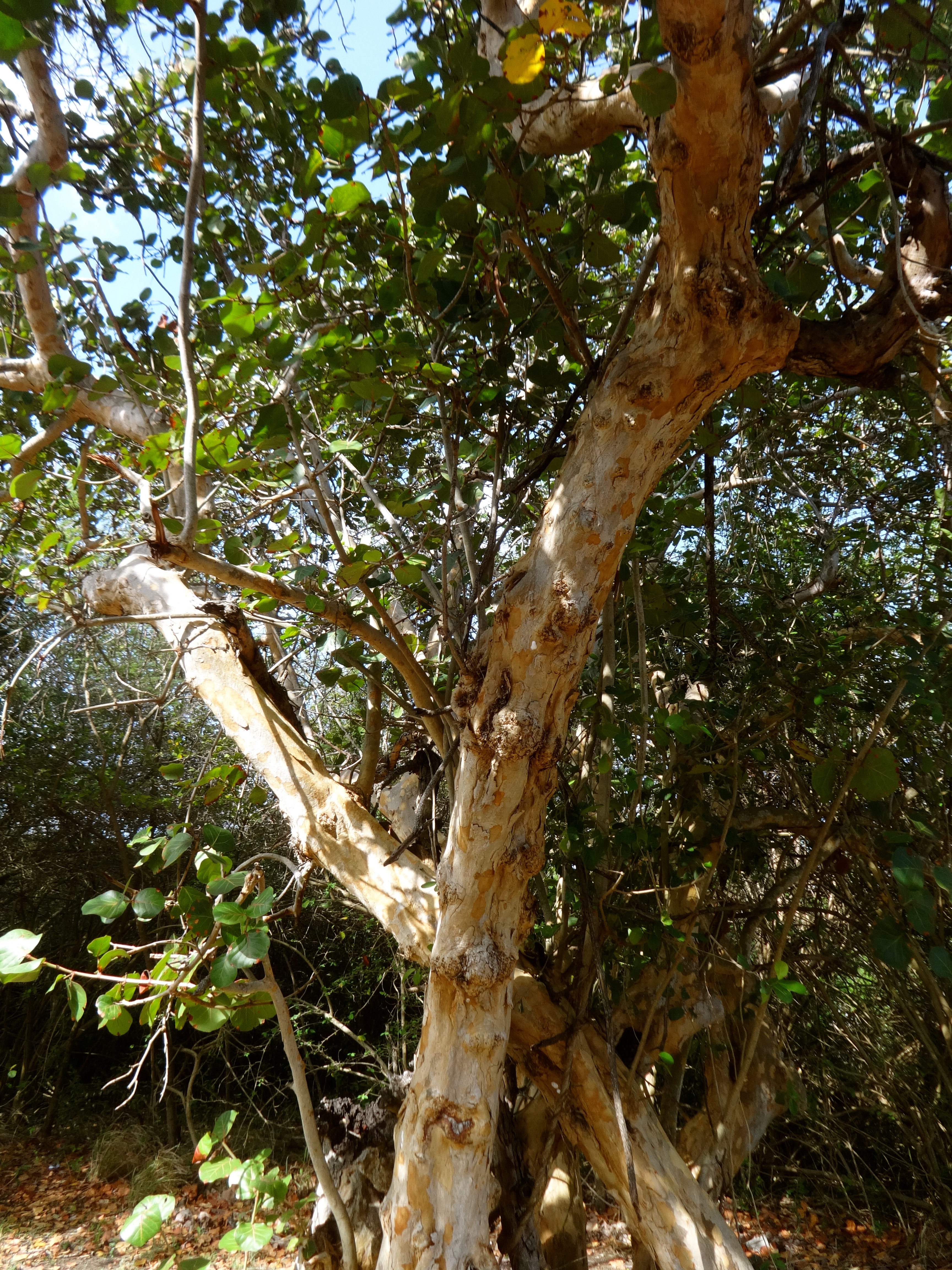
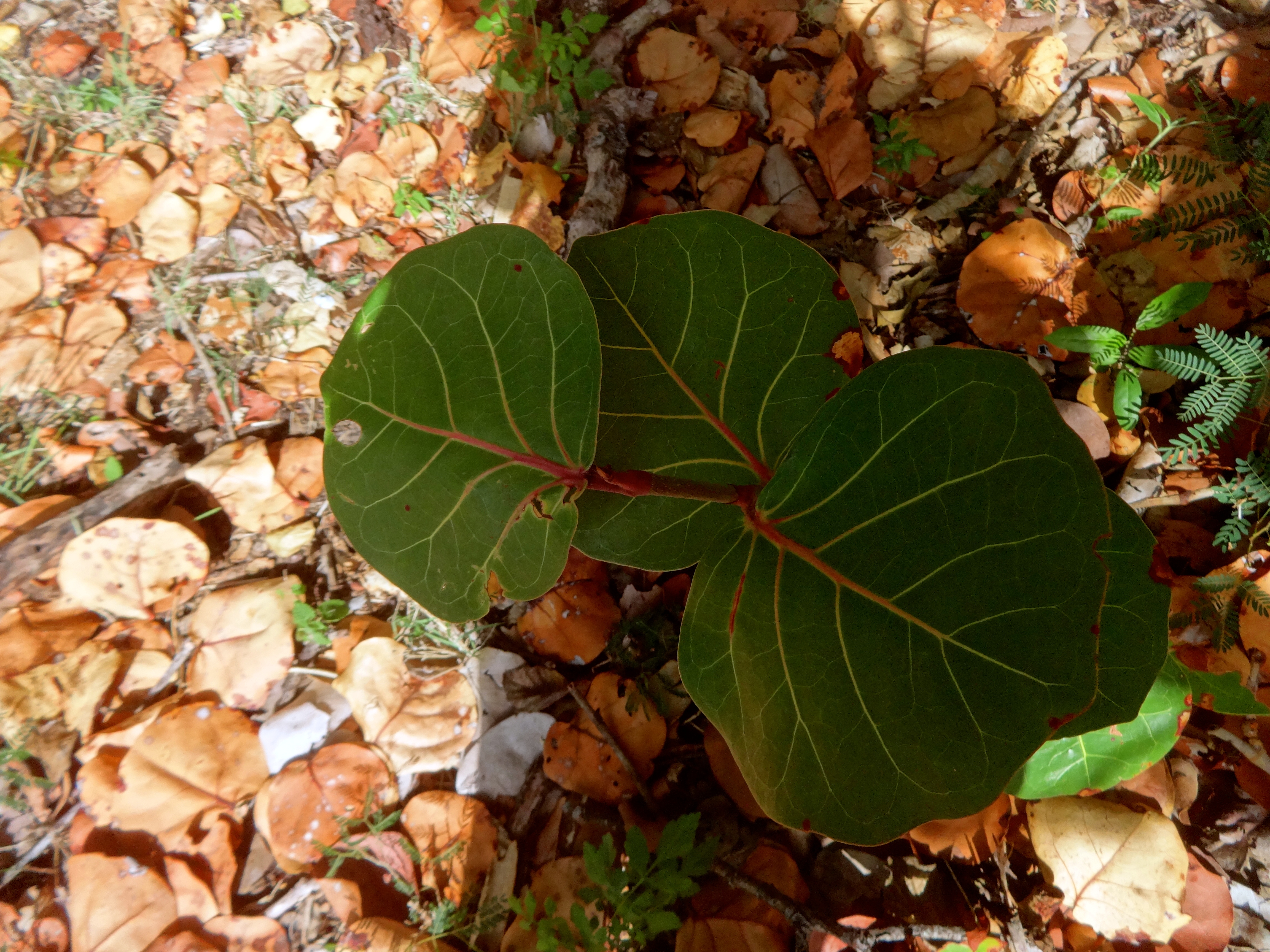
Sea-Grape/Coccolobo

as a child

every sunday after church

when we went to the beach

i took shelter from the sun

under one of the many sea-grapes

that lined the shore

almondtreeadisa15

marveled at their hard almond-shaped seed

the flesh of which was never salty

i had to hunt for a heavy stone

to break the nut free

DSC05301

some of the branches

were low enough

for me to swing my legs over

hang upside down and try

to catch my shadow

almondgreenadisa15

my mother sometimes

gathered the nuts in a bag

an amateur oenologist

she had long been at the practice

of making wines from local fruits

inviting the men in the community

over to sample her various concoctions

she would have been a vintner in another

time and place but this was jamaica

after all and she was woman

black and ambitious and accepted

no boundaries to her imagination

which she gifted me

i remember learning

that seagrape was dioecious

pondered how

the male and female

got together to mate

and who collected the sap

we used in Jamaica

for dyeing and tanning leather

sea-grape or cocolloba

the latter name always made

me giggle falling to the ground

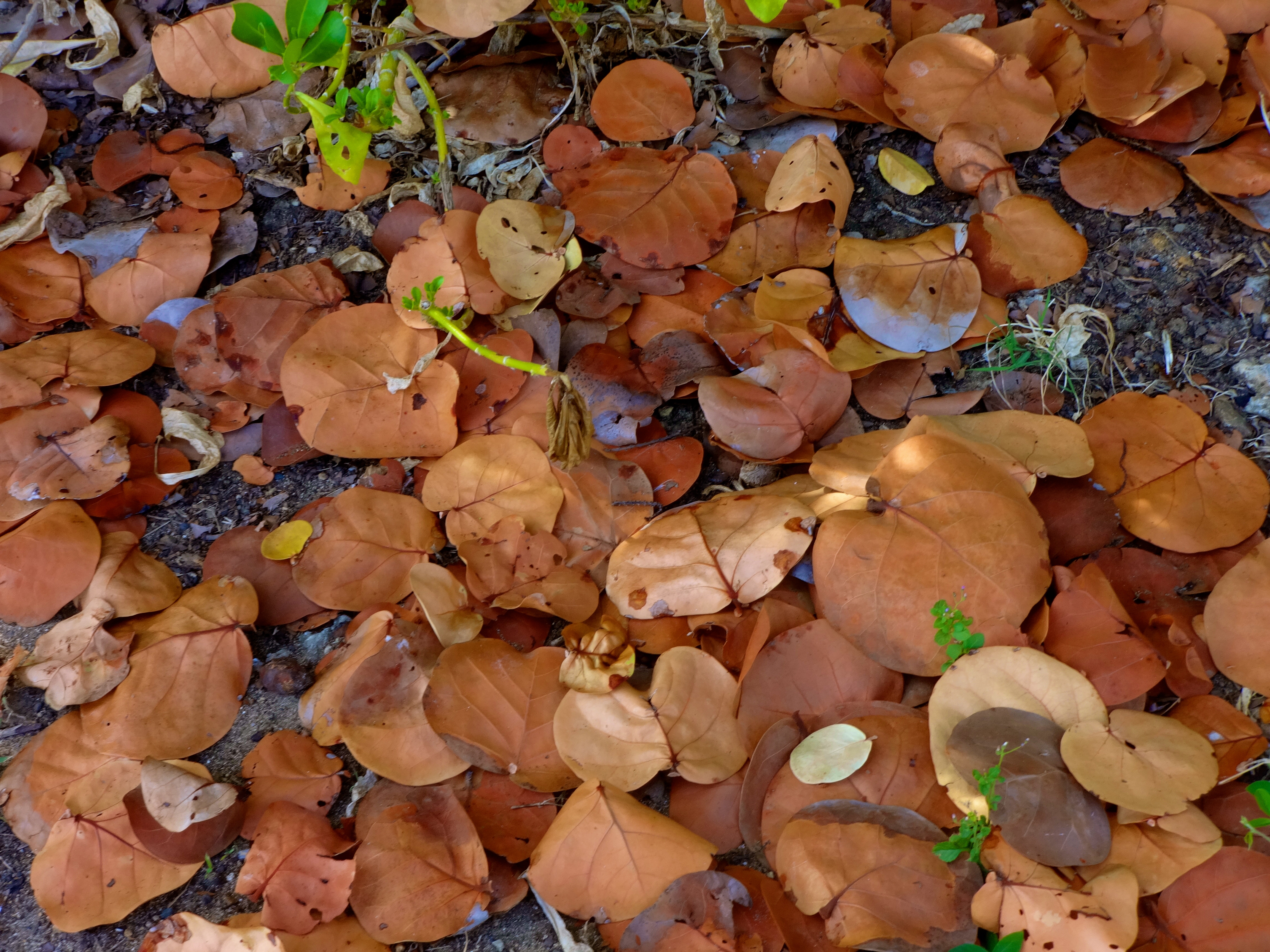
like the brown leaves

that it sheds abundantly

covering the terrain

in this fall that is summer

here in st croix

almondleavesadisa15

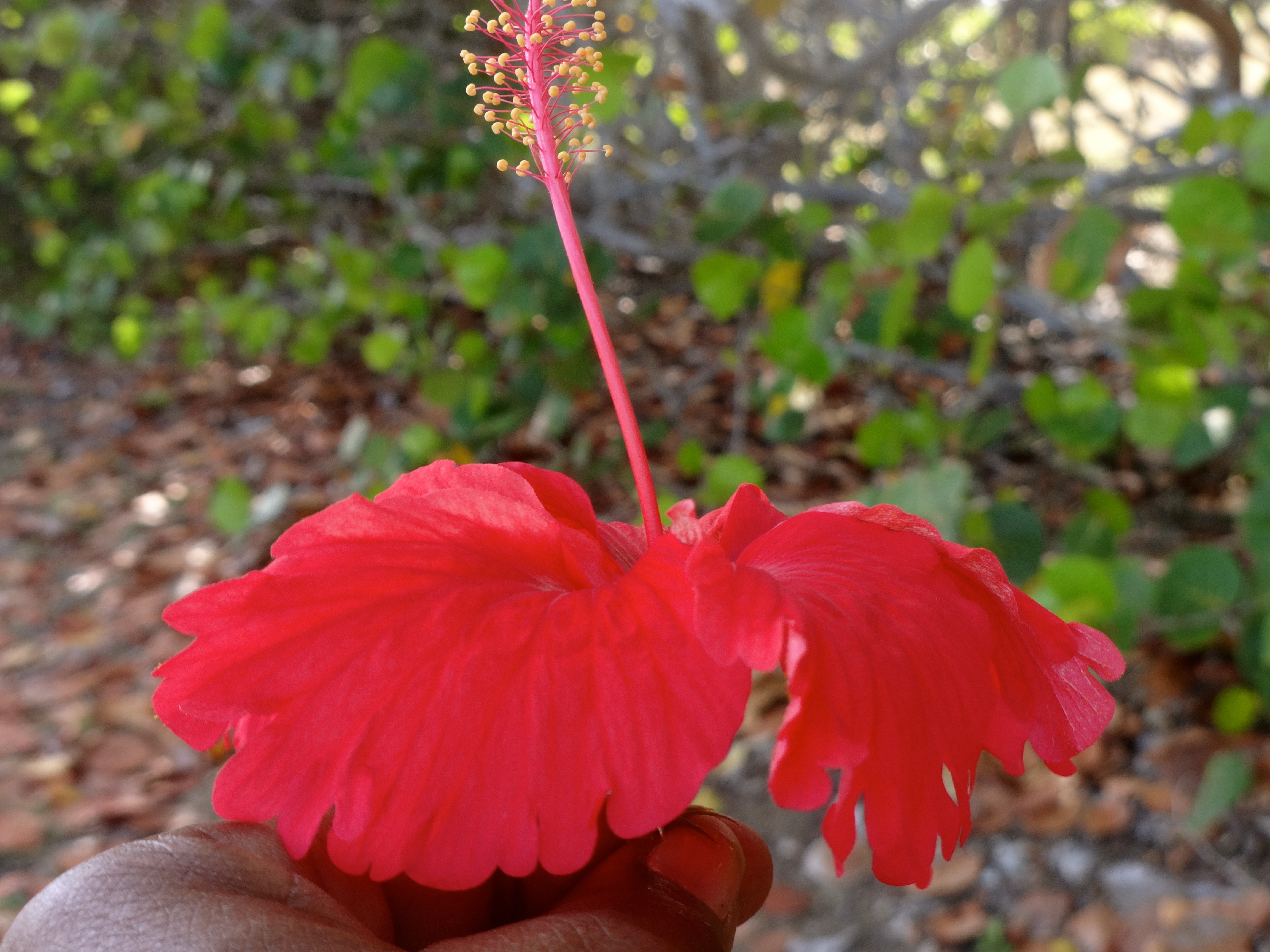
Madam Hibiscus

hibiscustreeadisa15

she is your regular

kind of woman

can be found chatting

cheerily

on many roads

perched here and there

commonly stunning

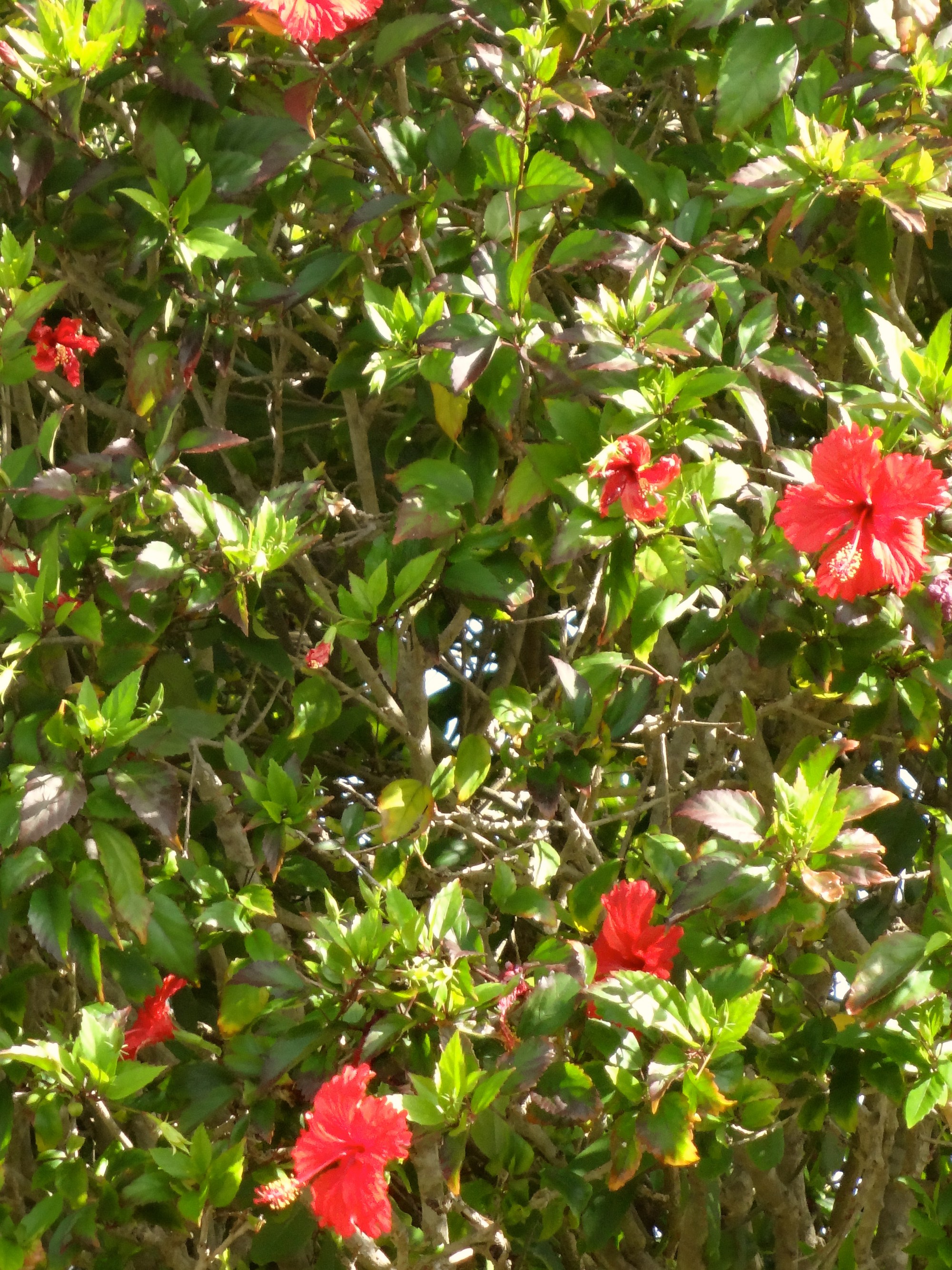
wearing mostly red

like only

a confident woman can

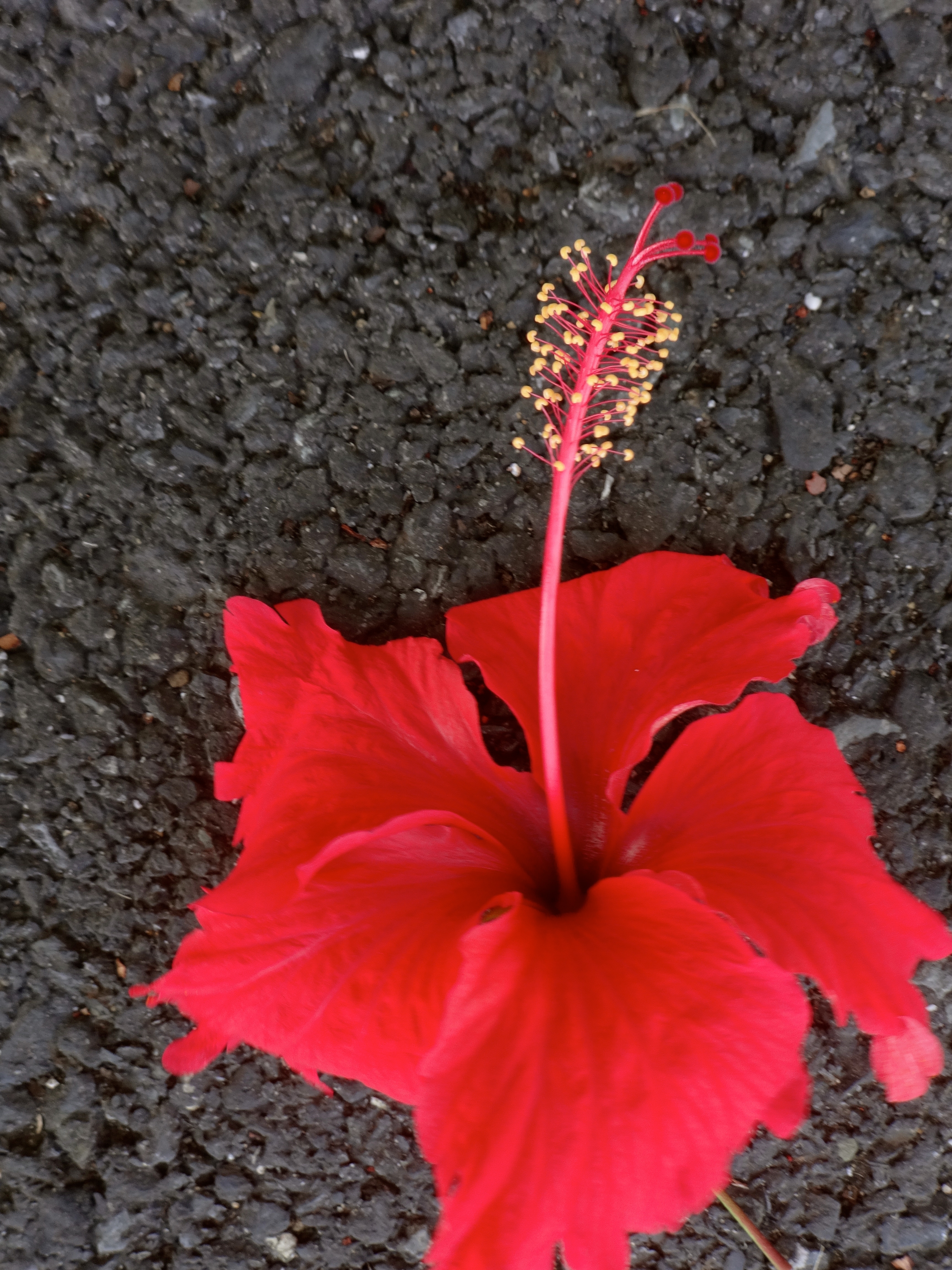
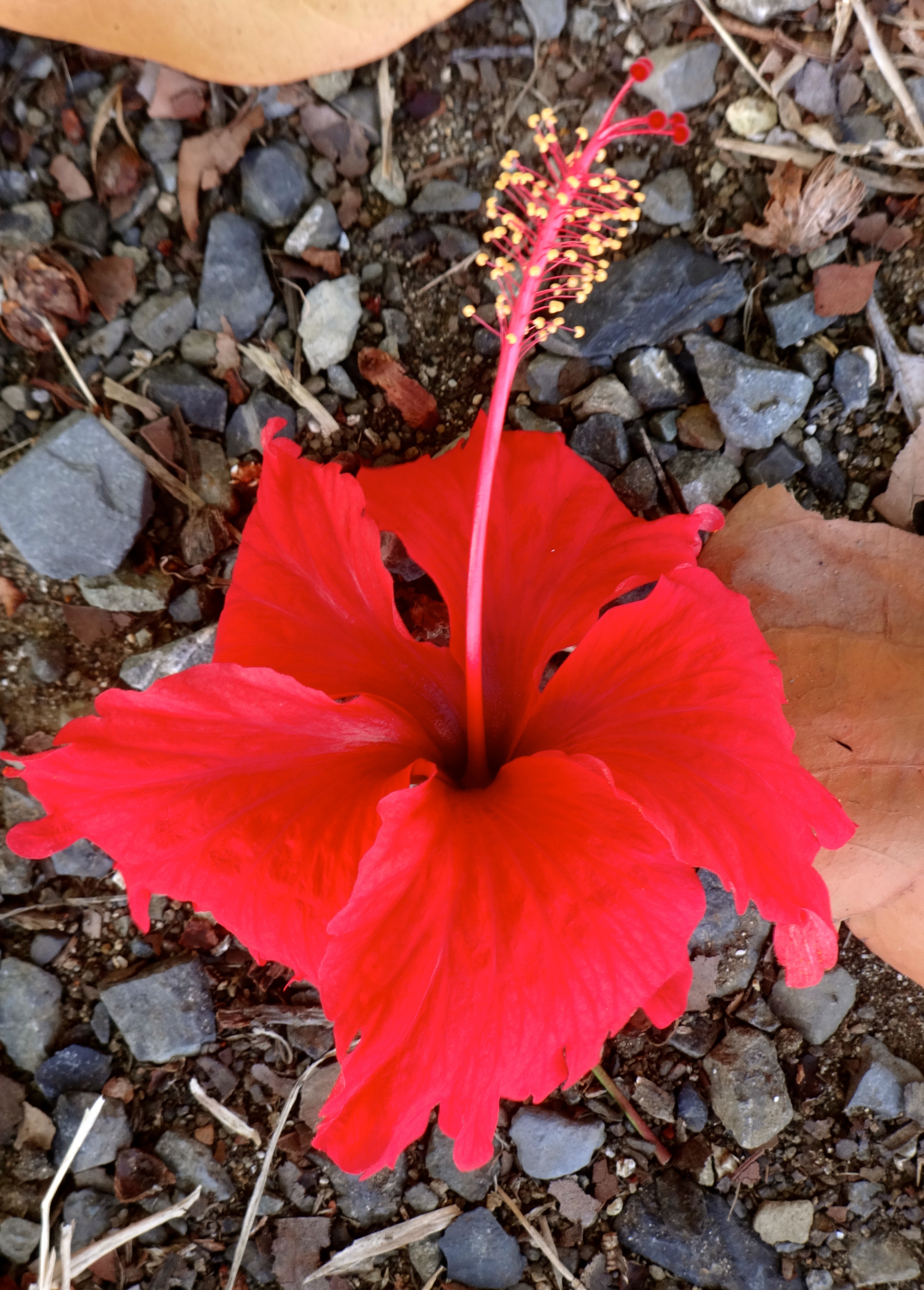
with her five petals

that flap and wave in the wind

her green bud encases

and her stigma

stands like an erect

penis in anticipation

she’s the national flower

for Haiti, Hawaii,

Malaysia & South Korea

hibiscu4sadisa15

if you want favors from

Kali and Ganesha in India

bring them a red hibiscus

before you go courting a

Tahitian or Hawaiian woman

make sure her hibiscus is

behind her right ear

indicating she is available

in the Philippines

children use it to

make bubbles

in Jamaica as a child

we used the petals to shine our shoes

we drink it as tea

known as bissap in West Africa

Karkadé in Egypt & Sudan

it is a diuretic

contains vitamin c

lowers blood pressure

although often mislabeled

it is not sorrel the is drunken

in Jamaican & Trinidad and elsewhere

throughout the Caribbean

we use it to decorate

our homes

we grow it to beautify

our yards

humming-birds, butterflies and bees

love it

horticulturists cultivate

myriad colors and lacy petals

but if you should stop to ask

and admire and fondle her petals

she will say to you

me is just an ordinary woman

wearing red who loves to hang out

hibiscua3adisa15 hibiscus2adisa15

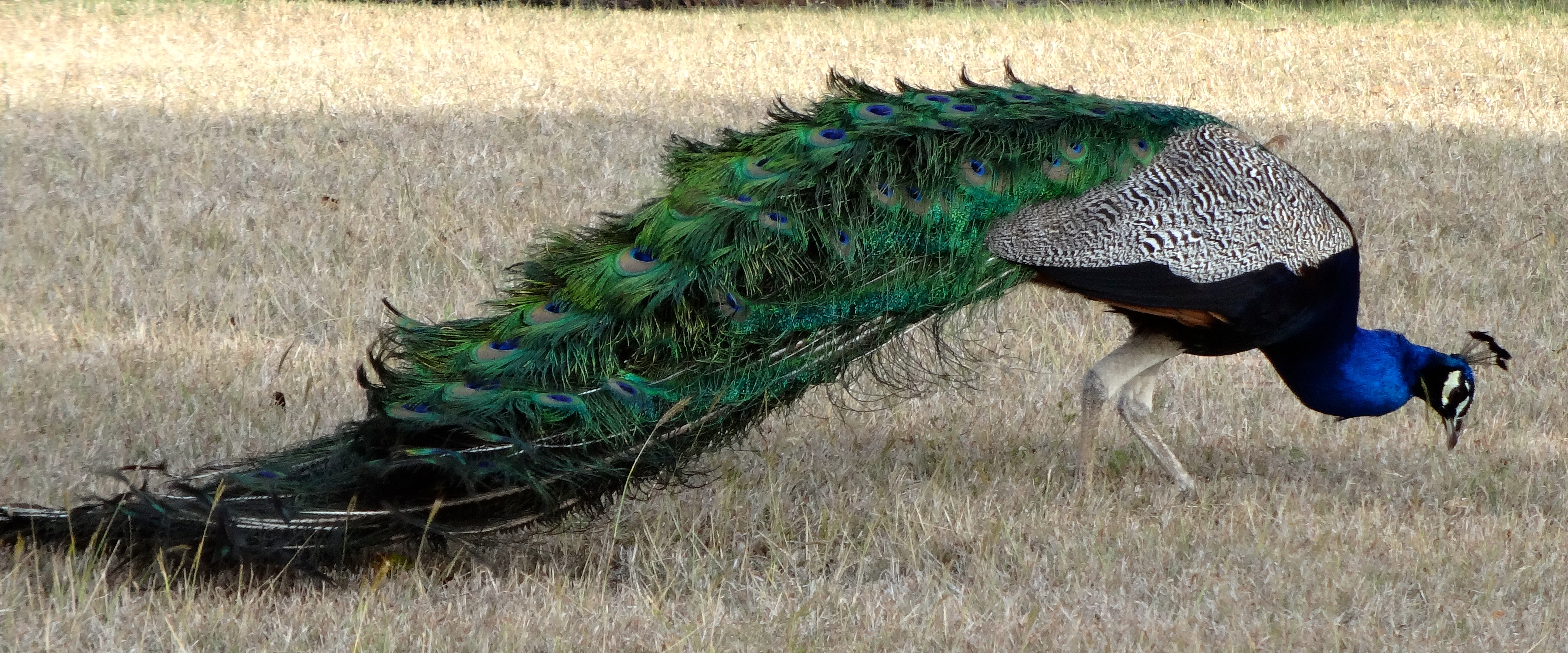
Mr. Peacock

To us he might

appear showy

a bit extravagant

with his long train

some say

to attract females

others say

to show his powers


but he is indifferent

to our gawking

as he struts up and down

estate st john road

the resident bird

who has to pick

for his food just like

the other birds

does he realize

he’s a long way from home

whether from india

or the congo basin

he is but a peafowl

who fans wide his tail

when he goes courting

hoping his iridescent feathers

will dazzle the peahen

and he will get to bed her

and they will make peachicks

peacock